





America Runs on Grudges
American sports culture is built on a foundation of 'us versus them.' Think about it. The Boston Red Sox and New York Yankees. The Los Angeles Lakers and Boston Celtics. Michigan and Ohio State in college football. These aren't just games; they are generational,
cultural clashes that give seasons their narrative weight. A rivalry provides instant emotional stakes. It gives casual viewers a reason to pick a side, a story to follow, and a villain to root against. A win against a rival feels like more than just a win, and a loss is a wound that lingers. This dynamic is the engine of American sports fandom. It transforms a regular season game into an unmissable event and makes legends out of players who deliver in those key moments. It's a language every American fan understands instinctively.
Soccer Has the World's Best Feuds
If America loves a good rivalry, then global soccer is an all-you-can-eat buffet of historical animosity. These aren't just regional disputes; they are clashes rooted in politics, culture, and decades of high-stakes drama. Take El Clásico between Spain's Real Madrid and Barcelona, a rivalry with deep political roots in the Spanish Civil War. Consider the Intercontinental Derby in Turkey, where Galatasaray from the European side of Istanbul faces Fenerbahce from the Asian side. Or look at the Netherlands versus Germany, a feud that carries the weight of World War II history onto the pitch. Compared to these, a spat over a division title can seem quaint. The World Cup brings these deep, often bitter, narratives to a global stage, offering stories far more compelling than any marketing slogan.
The Built-in Main Event: USA vs. Mexico
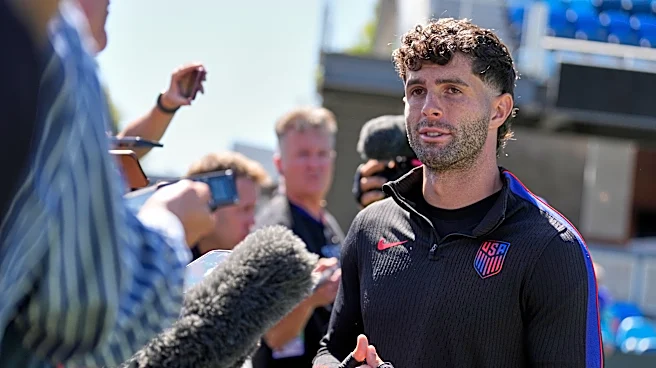
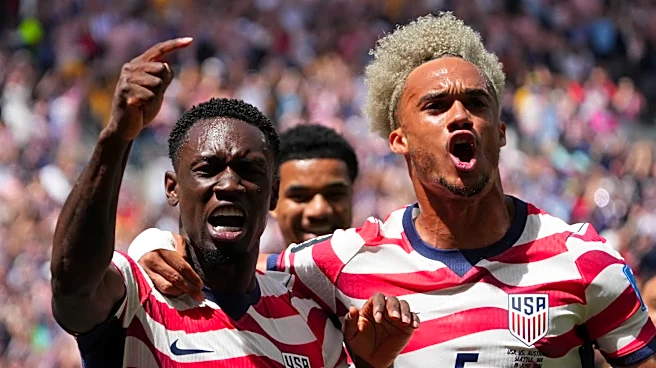
For the U.S. market, there is no greater narrative hook than the long and storied rivalry with Mexico. It's the most-watched and most-attended international soccer contest for American audiences for a reason. While Mexico dominated the series for decades, the tide has turned since the early 2000s, creating a fiercely competitive dynamic. The rivalry has its own lore, from the U.S. winning the only World Cup knockout match between them in 2002 to the iconic "Dos a Cero" (2-0) scoreline that became a rallying cry for American fans. With the 2026 tournament taking place across North America, any potential matchup between the USMNT and El Tri would be an explosion of passion, amplified by the millions of fans from both nations living in the United States. This isn't a manufactured storyline; it's the real deal, ready-made for primetime.
Adopt-a-Rivalry for the Casual Fan
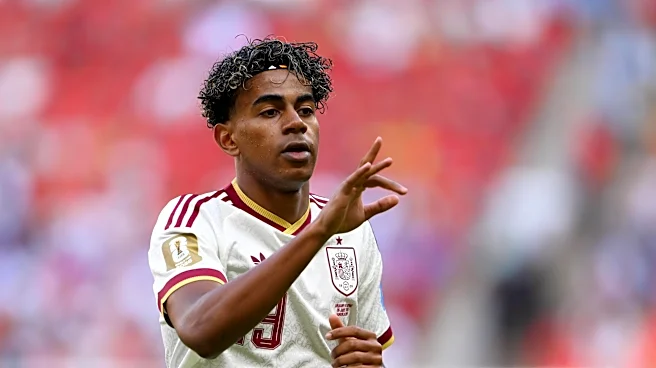
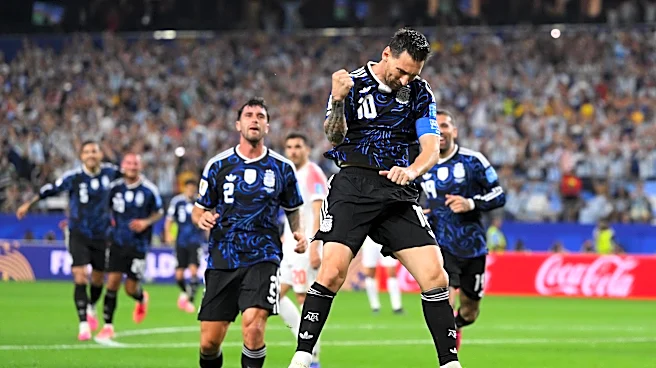
Beyond the homegrown grudge match, the World Cup offers a unique opportunity for what you might call "rivalry adoption." American viewers with ancestral ties to England, Italy, or Germany can instantly connect with those nations' historic feuds. Large diaspora communities across the U.S. already live and breathe these rivalries, from Brazil vs. Argentina to England vs. Scotland. For those without a dog in the fight, the classic underdog story is always a powerful draw. Every tournament has its Cinderella, and every powerhouse has a list of enemies hoping to see them fall. Marketing doesn't need to explain the intricacies of a 4-4-2 formation. Instead, it can present a simple, irresistible choice: Are you with the giants of Brazil or the titans of Argentina? Do you root for England or the team trying to send them home? Pick a flag, pick a feud, and suddenly, you have a reason to care.