

A Tradition of Looking Back
Why are British designers so adept at raiding the archives? It's baked into the culture. A nation defined by its monarchy, class system, and sprawling history provides an endless mood board of aesthetics and narratives. This isn't just about recreating
pretty dresses from period dramas. It's about tapping into a national identity that is layered, often contradictory, and rich with visual cues. From the rigid tailoring of Savile Row to the anarchic spirit of punk, the past is a creative playground. Designers like Erdem Moralioglu, for example, treat London like a vast library, pulling narratives from its streets and figures to inform his romantic, story-driven collections. This environment encourages a design process that is part historian, part storyteller, and part rebel, creating a tension between reverence for the old world and a desire to build the new one.
The Anarchy of the Archive
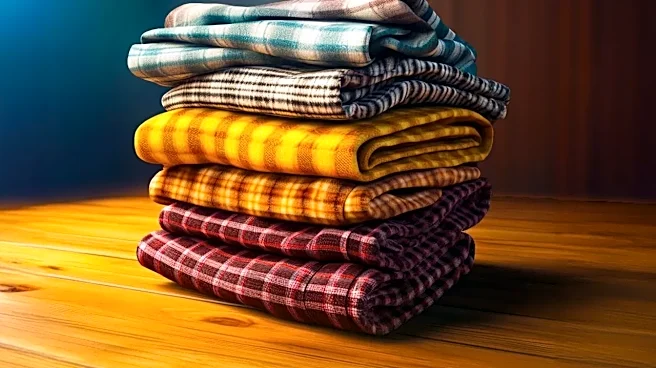
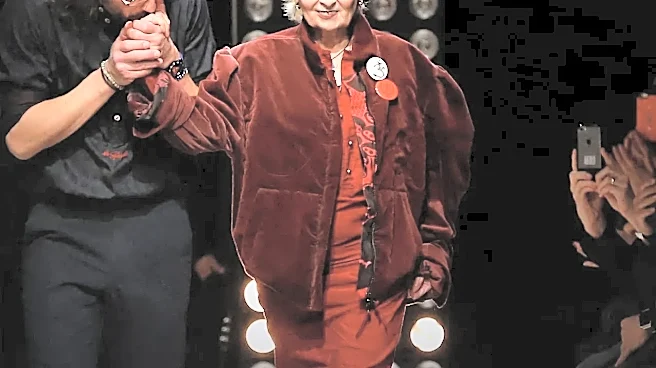
The most explosive example of this practice is, of course, Vivienne Westwood. She didn't just reference history; she weaponized it. Taking quintessentially British elements like tartan, 18th-century corsetry, and traditional Harris Tweed, she ripped them from their aristocratic and establishment contexts. By adding straps, safety pins, and provocative graphics, she turned symbols of the status quo into emblems of rebellion. Her iconic "Bondage" suit took inspiration from early 20th-century military wear, while her "Pirate" collection plundered 18th-century engravings for its billowing shirts and breeches. This method proved that historical garments weren't sacred artifacts. In Westwood's hands, they were raw materials to be deconstructed and re-contextualized, making history feel urgent and contemporary. It's a philosophy that has deeply influenced generations of London designers, teaching them to approach the past with a critical and mischievous eye.
Romanticism Reimagined
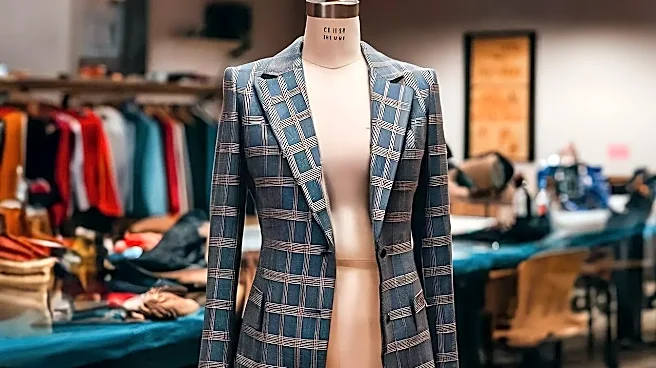
On the other end of the spectrum is the theatrical romanticism mastered by the late Alexander McQueen. With a background in bespoke tailoring on Savile Row and theatrical costuming, McQueen used history to build entire worlds on the runway. His collections were deeply biographical and narrative-driven, drawing on his own Scottish heritage to create the controversial "Highland Rape" collection, which referenced the 18th-century Highland Clearances. He was famously inspired by the Victorian era, but his take was far from stuffy, leaning into its Gothic undertones of horror, romance, and drama. For McQueen, history wasn't just about the clothes themselves, but the stories and emotions they contained. His successor, Sarah Burton, continued this legacy of poetic storytelling, while the house's current creative director, Seán McGirr, is expected to carry on the tradition of blending Savile Row tailoring with dramatic, culture-rich concepts.
A More Personal Past
Today, a new generation of British designers is making history even more personal by filtering it through their own diverse heritages. Simone Rocha, for example, often explores her Irish and Hong Kong roots, drawing on everything from Irish folklore like the Children of Lír to the traditions of the Aran Islands. For a Spring/Summer 2027 collection, she looked to Caravaggio's 1602 painting "The Taking of Christ" to inform the rich, Renaissance-era silhouettes and colors. Similarly, Grace Wales Bonner's intellectually rigorous designs are deeply researched explorations of Black history and the African diaspora, merging European high fashion with Afro-Atlantic influences. Her collections are filled with references to everything from 1970s reggae subcultures to the writings of James Baldwin, translating deep cultural and historical research into meticulously tailored, modern menswear. This approach shows the evolution of historical referencing from a national to a deeply personal narrative.