





What Is Bias Binding, Exactly?
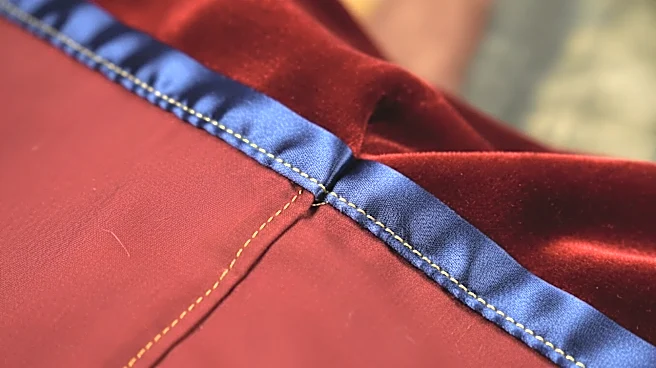
Bias binding is a method of finishing raw fabric edges by encasing them in a strip of fabric cut on the “bias.” Fabric has a grain, like wood. The bias is the 45-degree angle to that grain, which gives the fabric a natural stretch and flexibility. This
allows a strip of bias-cut fabric, known as bias tape, to bend and mold smoothly around curves without puckering or bunching—something fabric cut on the straight grain just can't do. Think of it as the perfect frame for your fabric’s raw edges, especially on tricky curved areas like necklines, armholes, and hems.
The Common Alternatives (and Why They Fall Short)
Many crafters start by finishing seams with a zigzag stitch on their sewing machine, or by trimming them with pinking shears. These methods are quick and can prevent the worst of the fraying on stable fabrics. Others might own a serger, which creates a durable, professional-looking edge finish. While these are all valid techniques, they have their limits. A zigzag stitch can still be bulky and messy on certain fabrics. Pinking is often not durable enough for a garment that gets a lot of wear. And neither offers the flexibility needed for the dramatic curves found in many costume designs, which can lead to stiff or puckered results. For a truly high-end look on an unlined garment, you need a finish that’s both neat and flexible.
The Game-Changer for Costumes and Cosplay
This is where bias binding truly shines. Costumes are rarely simple rectangles; they’re full of curves, from the swoop of a cape to the edge of a piece of foam armor. The stretchiness of bias tape allows it to hug these curves flawlessly, creating a perfectly smooth edge. Beyond just fabric, it's an indispensable tool for giving a clean, finished edge to thicker materials used in cosplay armor. It’s also used for creating what’s known as a Hong Kong finish, where each seam allowance inside a garment is individually encased in bias tape. This not only looks beautiful and deliberate—like a pop of secret color inside a jacket—but also adds durability without the bulk of a full lining.
Getting Started Without the Stress
The idea of applying bias tape might seem intimidating, but it's an accessible skill. You can buy pre-made bias tape in single-fold or double-fold varieties from any fabric store. Double-fold is especially convenient, as it’s already pressed in a way that makes it easy to wrap around a raw edge and stitch in place. Start with a simple project, like the edge of a round pocket or a simple curved hem. The key is to take your time, use plenty of pins, and don’t stretch the tape too much as you sew, which can cause ripples. With a little practice, it quickly becomes a satisfying process that elevates the quality of your work.