

Everything Is Connected Now
Once the domain of comic book heroes, the 'shared universe' is now Hollywood’s favorite playbook for television. The model is simple: launch one hit show, then build a family of prequels, sequels, and spinoffs around it. The strategy turns a single success
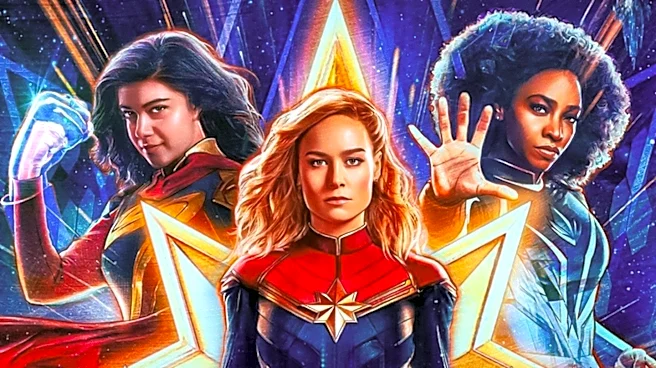
into a self-sustaining ecosystem of content. We see it with Taylor Sheridan’s ever-expanding 'Yellowstone' dynasty, which has branched into prequels and is slated to continue with spinoffs like 'Marshals'. It’s the engine behind the seemingly endless stream of shows from the 'Star Wars' and Marvel cinematic universes. Even grounded procedural franchises like Dick Wolf’s 'Law & Order' and 'Chicago' series operate on this principle, creating a world so vast that characters can seamlessly cross over, rewarding dedicated viewers and creating a powerful, brand-loyal audience.
The Fall 2026 Gauntlet
This autumn, the shared universe strategy isn't just a background trend; it’s the main event. The schedule is loaded with high-stakes extensions of existing properties. Disney+ is expected to continue its aggressive Marvel slate with titles like 'Your Friendly Neighborhood Spider-Man' Season 2 and a potential 'VisionQuest' series. Prime Video is making a huge bet with 'Blade Runner 2099', a sequel series to the classic sci-fi films, starring Michelle Yeoh. The Taylor Sheridan universe also continues its expansion, with multiple projects reportedly in the works for 2026, building on the success of 'Yellowstone' and its offshoots. This density of interconnected content from multiple studios, all competing for the same subscription dollars and viewer attention, creates a high-pressure environment. It’s a full-frontal assault of familiarity, and it forces a question: at what point does a safe bet become a boring one?
Franchise Fatigue vs. Fan Fidelity
For studios, the logic is undeniable. In a fractured media landscape, launching a new show is an expensive gamble. A spinoff comes with a pre-sold audience, reducing marketing costs and risk. For devoted fans, these universes offer a deeper, richer experience, rewarding their investment with Easter eggs and continuing storylines. But there's a growing downside: narrative exhaustion. Keeping up with multiple interconnected series can feel like homework, and the pressure to watch everything to understand anything can lead to burnout. When a story feels like a small piece of a larger puzzle, it can struggle to stand on its own. This is the fatigue that critics talk about—the sense that stories are being created to fill a corporate mandate rather than to tell a compelling, self-contained tale.
A Hunger for the Next Original Hit
The saturation of shared universes might be creating the perfect opening for the exact opposite: a truly original, standalone story. While franchises dominate the conversation, audiences consistently show up for fresh ideas that break the mold. Think of the buzz around past hits like 'Squid Game' or 'Ted Lasso'—shows that arrived with little IP baggage and became cultural phenomena on their own terms. The over-reliance on existing properties creates a creative vacuum. While studios focus on expanding their empires, they risk missing the next big thing that could have been their next flagship franchise. This fall, as viewers navigate a sea of spinoffs and sequels, the show that might truly capture the zeitgeist could be the one that has nothing to do with anything we’ve seen before.