


The Show Piece vs. The Sell Piece
First, understand that runways feature two types of clothing. You have the 'show pieces'—the dramatic, often unwearable creations designed to generate buzz and convey a powerful creative vision. Think of Coperni's famous spray-on dress; its value was
measured in millions of dollars of media impact, but it was never mass-produced. These are marketing tools. Then you have the 'sell pieces,' which are the ready-to-wear garments that form the financial backbone of the collection. These are the wearable blazers, trousers, and dresses that will actually appear in stores. A designer uses the spectacle of the first to draw your attention to the quality and desirability of the second. The viral look is the invitation; the commercial collection is the party.
Decode the Narrative
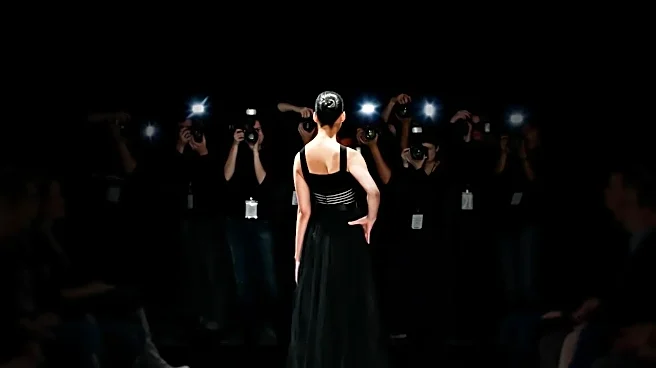
A fashion show is a piece of theater, not just a clothing catalog. The designer is telling a story, and every element is a clue. Pay attention to the venue, the music, and the set design. A show in a gilded ballroom with classical music tells a different story than one in a stark, industrial warehouse with techno beats. These choices create the atmosphere and provide context for the clothes. The opening and closing looks are the most important; the first sets the tone, and the last leaves a final impression. When you see the collection through this narrative lens, you're not just looking at outfits; you're understanding the world the designer wants you to inhabit.
Find the Commercial Core
To find the heart of the actual collection, train your eye to look for repetition and consistency. Ignore the one-off feathered monster and focus on the recurring themes. What silhouettes appear again and again? Is there a consistent color palette? Notice the tailoring on a jacket, the drape of a recurring fabric, or a specific type of hardware on bags and belts. These common threads are the true message. They represent the ideas that have been developed into a full range of products. A collection might have a dozen variations of a perfectly cut pair of trousers or a specific style of trench coat. That's the part of the designer's vision that they actually want you to buy into.
Mentally 'Unstyle' the Looks
Runway styling is intentionally exaggerated to create a memorable image. Models might be sent out with bizarre makeup, gravity-defying hair, or layers of clothing that no normal person would wear. Your job is to mentally strip that away. Look at the individual pieces. That wildly oversized coat might be styled with nothing but underwear on the runway, but imagine it over jeans and a sweater. That dress paired with a strange hat and clashing shoes could be a beautiful standalone piece for a special occasion. Designers are selling the individual garments, but they present them in a high-concept way. Learning to separate the clothes from the styling is key to seeing their real-world potential.
Watch the Front Row
The people sitting in the front row aren't just there for the spectacle; they're part of the message. The celebrities, musicians, and artists a brand invites and dresses are a living mood board. They signal the brand's target audience, cultural relevance, and direction. If a heritage brand known for prim suits suddenly has a front row full of young, edgy pop stars, it's a clear statement about who they want to attract. The front row helps answer the question: "Who is this for?" It’s a carefully curated part of the collection's story, offering a glimpse into the tribe the brand is hoping to build.