



The First Three Notes
It’s an almost Pavlovian response. The opening drum fill of Michael Jackson’s “Billie Jean” or the simple, distorted guitar riff of The White Stripes’ “Seven Nation Army” can ignite a field of tens of thousands of people in seconds. This isn’t just about
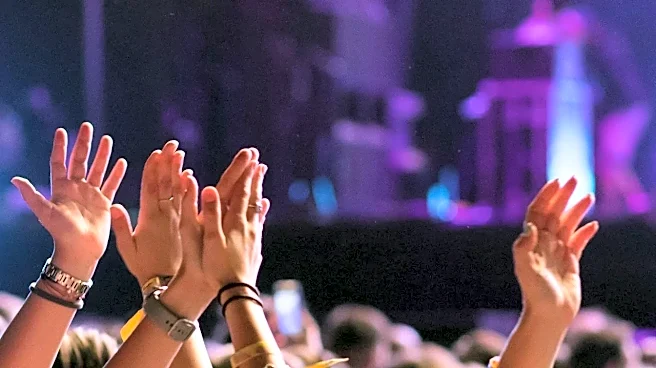
liking a song; it’s a shared, collective experience. Psychologists call it “emotional contagion,” where feelings of joy and excitement spread through a crowd like a ripple effect. The moment that familiar sound hits, it triggers a powerful sense of unity and belonging. Our brains are wired to sync with those around us, and a recognizable song acts as the ultimate catalyst, transforming a scattered audience into a unified, euphoric whole. That immediate recognition assures everyone they are in the right place, about to share in something special.
An Unspoken Pact
For an artist on a massive festival stage, the first 30 seconds of a hit song are a strategic move. A festival set is often shorter and more competitive than a standalone concert, with artists needing to win over a diverse crowd quickly. Kicking off with a universally beloved track is an unspoken agreement with the audience. The artist is essentially saying, “I see you, I know what you came for, and I’m here to deliver.” This gesture immediately builds trust and rapport, guaranteeing crowd engagement from the start. It’s a transaction: the crowd offers its energy, and the artist provides the soundtrack. By front-loading the set with a song everyone knows, performers harness the crowd's energy, creating a dynamic feedback loop where the audience’s excitement fuels a more powerful performance.
Engineering for the Algorithm
In the modern era, the first 30 seconds are not just for the people in the field—they’re for the millions who will see it online. The rise of TikTok and Instagram Reels has fundamentally changed how artists approach live performances. A song intro needs to be a “moment,” a perfectly packaged, shareable clip that can go viral. Songwriters and producers now often structure tracks to get to the hook or most memorable part almost immediately, skipping long, mellow intros. This trend has spilled over into live shows, where the opening of a song is engineered to be as camera-ready as possible. A dramatic lighting cue, a pyrotechnic blast, or a signature dance move timed to that recognizable riff isn’t just for showmanship; it’s designed to be captured and shared, extending the festival’s reach far beyond the venue gates.
The Art of the Tease
Of course, some artists choose to play with this expectation. Instead of an immediate payoff, they opt for the slow burn. A band might open with an extended, atmospheric intro, a different key, or a stripped-down acoustic version of a massive hit, making the audience wait for the familiar drop. This technique builds immense tension. The crowd murmurs, people look at each other with questioning glances, and then, when the iconic riff or chorus finally kicks in, the release is even more explosive. It’s a way for artists to showcase their creativity and reinterpret their own material while still giving the fans the moment they crave. Bands like Metallica have famously used the same epic intro music—“The Ecstasy of Gold”—for decades to build anticipation before they even play a single note of their own music, proving that sometimes the wait makes the reward even sweeter.