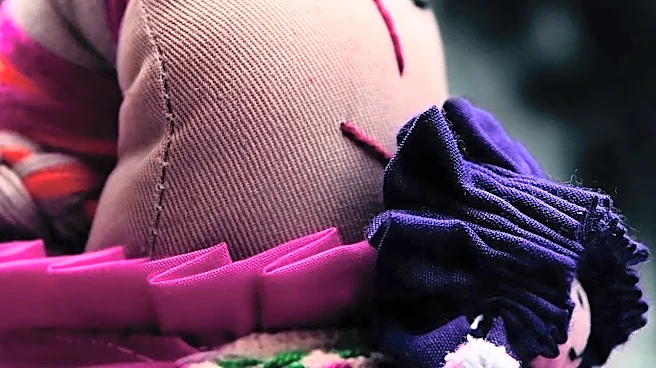




You’ve seen it on the rack—a sweater so soft and cloud-like it begs to be touched. But after just a few wears, it looks fuzzy and worn. This is the paradox of loosely spun yarn: it creates a fabric that feels incredibly rich but can be disappointingly
fragile.
The Allure of the Loft
The luxurious look and feel of these garments come down to one thing: air. Loosely spun yarns have a low number of twists holding the fibers together. This creates more space between the fibers, trapping air and giving the yarn a soft, airy, and voluminous quality known as 'loft'. This construction results in a fabric that is lightweight, warm, and has a beautiful 'halo' or gentle fuzziness that we associate with high-end materials like cashmere. The loose structure allows the yarn to bloom, creating a plush surface that feels incredibly soft against the skin. It’s a sensory experience that implies opulence, even if the price tag is surprisingly affordable.
It’s All in the Twist
The secret to a yarn's strength lies in its twist. Think of it like twisting strands of hair together to make a strong braid. A yarn with a high number of twists per inch is dense and compact. The fibers are locked tightly in place, which makes the yarn durable and resistant to abrasion. Conversely, a loosely spun or low-twist yarn has fibers that are just gently held together. While this creates that desirable softness, it also means the individual fibers can easily work their way loose from the yarn's structure. This is the fundamental trade-off in yarn engineering: the very thing that makes the yarn feel soft and lofty also makes it inherently less durable.
Not All Fibers Are Created Equal
Another crucial factor is 'staple length', which refers to the length of the individual fibers being spun into yarn. Long-staple fibers, like those from certain types of cotton, create more overlap within the yarn, resulting in a stronger, smoother, and more durable thread. Shorter-staple fibers, common in soft wools like cashmere, have fewer points of contact holding them in the twist. When you combine short-staple fibers with a loose spin, you create the perfect recipe for pilling. With any friction—from your arm rubbing against your side, a seatbelt, or a purse strap—those short, unsecured fibers are easily pulled to the surface, where they tangle together into tiny balls, or 'pills'.
The Weakness of 'Singles'
Finally, consider the 'ply'. A 'single' or single-ply yarn is just one strand of spun fibers. It tends to be softer but is also the most vulnerable to pilling and breaking. To create a stronger yarn, spinners twist two or more of these singles together to create a multi-ply yarn. A 2ndndndply or 3rdndndply yarn is more balanced, rounder, and significantly more durable. The plying process locks the fibers in more securely and protects more of the surface area from abrasion. Many of the most fragile, lofty sweaters on the market are made from singlendndndply, lowndndndtwist yarns, prioritizing that initial soft feel over longterm structural integrity.