






The Team as a National Mirror
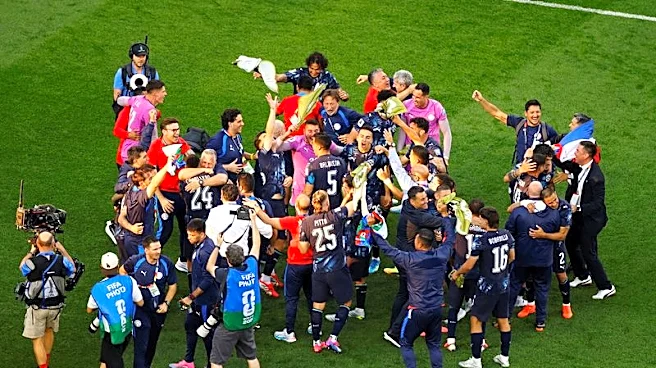
When a national team steps onto the pitch for a final, they cease to be just athletes; they become avatars for millions. Their performance is seen as a reflection of the country's collective identity. A disciplined, organized defense might be lauded as a sign
of national character, while a creative, risky attack is seen as embodying a nation's flair and spirit. This is no accident. The colors, the anthem, and the flag all serve to fuse the team's identity with the nation's. A victory isn't just a sporting achievement; it’s a moment of collective joy that reinforces a positive national image and can even boost national happiness levels. Conversely, a loss isn't just a defeat but a shared emotional experience that can feel like a public shortcoming.
The Psychology of Unbearable Pressure
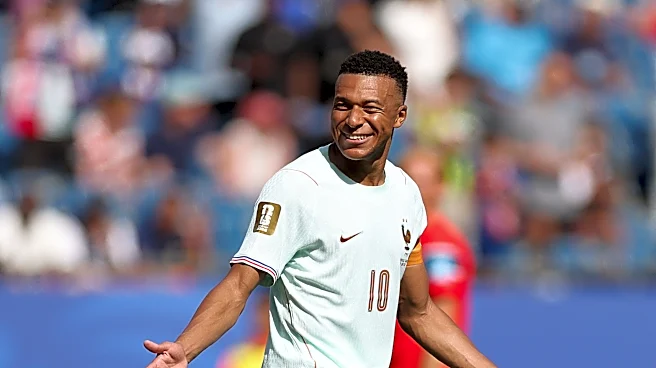
For the players, the pressure is immense, coming from every direction: media, fans, politicians, and their own personal ambitions. As former French international William Gallas described it, the nerves and emotion are heightened because you are playing for your country on the biggest stage. It is the culmination of a lifetime of sacrifices. This intense pressure can affect on-field decisions, where players shift from playing to win to playing not to fail. Sports psychologists note that this fear of failure, of being responsible for a "national disappointment," can create anxieties that disrupt automatic skills, leading to what is commonly known as 'choking'. The weight of a nation's hopes can become an 'identity threat,' where a player's self-worth gets tangled up with the public outcome of the game.
A Stage for Politics and Power
A soccer final is never just about sport; it's a potent political stage. National leaders are quick to associate themselves with a winning team, basking in the reflected glory to manufacture a sense of national unity and strength. A victory can be used to paper over domestic problems or boost a government's approval ratings. But this is a high-risk strategy, as a high-profile defeat can become a political liability. Beyond domestic concerns, soccer has long been a proxy for international relations. Rivalries on the pitch can reflect deeper historical or political tensions between nations, turning the match into a symbolic battleground where a win feels like a form of national vindication.
The Court of Media Opinion
In the modern era, the 'public judgment' is delivered most powerfully through the media. Narratives are built around key players, turning them into heroes or scapegoats. Commentators and pundits frame the game in value-laden terms, reinforcing national stereotypes. Social media amplifies these narratives, creating an echo chamber of praise or condemnation. In the most extreme cases, this pressure spills over into real-world threats against players who make critical errors. The final whistle doesn't just end the game; it triggers a wave of analysis, critique, and myth-making that solidifies the match's place in the national story. The referee's on-field decisions are final, but the public's judgment, fueled by endless replays and hot takes, can last for generations.