



The Critic's Playbook
For decades, the path to a 'breakout' festival hit was straightforward. A film would premiere, and a handful of influential critics from established publications would anoint it the next big thing. Their reviews, published in print or on respected websites,
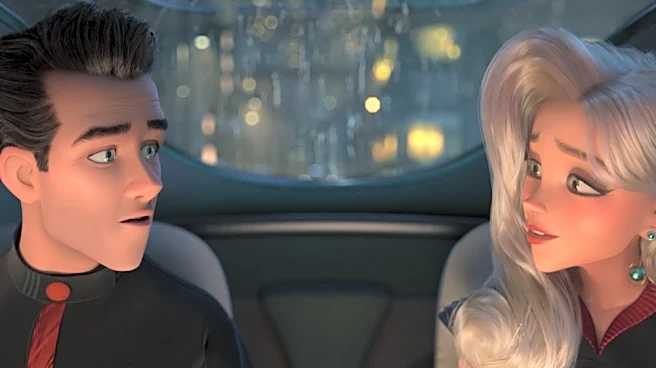
acted as a seal of approval, signaling to distributors that a film had artistic merit and, more importantly, awards potential. This year is no different. You see it in the intense discussions around films like 'The Liberation', which is already generating awards buzz for star Carrie Coon's powerful performance. Critics are also deeply divided on 'Ray Gunn', the long-awaited animated noir from 'The Incredibles' director Brad Bird. Some have hailed it as a masterpiece, while others have dismissed it as a misfire. This kind of debate is the traditional lifeblood of a festival—a conversation among experts to determine a film's place in the cinematic canon. Their influence is built on a legacy of taste-making, where a thoughtful, 1,200-word analysis can launch a director's career.
The Fan's Algorithm
Meanwhile, a completely different system for creating a breakout hit is operating on phones across London. For TikTok-era film fans, the process is decentralized, chaotic, and lightning-fast. It's not about five-star reviews; it's about vibes, aesthetics, and moments. A film doesn't need critical consensus to explode, it just needs a single, shareable clip. A visually stunning action sequence, a charismatic line delivery, or an actor with a massive built-in online following—like 'Heartstopper' star Joe Locke in his new film 'Elsinore'—can generate more immediate buzz than any formal review. The BFI itself recognizes this shift, running competitions for 60-second short films on TikTok. This new generation of tastemakers isn't waiting for permission from the old guard. Their metric for success isn't a Golden Lion, but millions of views and an army of fans ready to buy tickets on opening weekend.
Two Breakouts, Two Worlds
This dynamic is perfectly illustrated by two films at this year's festival. On one hand, you have the quiet, character-driven British drama 'Masc', which has been hailed by some critics as potentially the 'best British film of the year' for its moving and disorienting portrayal of a queer autistic man. It's a classic festival film, celebrated for its nuance and a powerhouse central performance. On the other hand, you have 'Godzilla Minus Zero'. Critics have praised its jaw-dropping visual effects and refreshingly coherent action sequences, but its real power lies in its meme-ability. The sheer spectacle of its monster battles is tailor-made for viral TikTok edits and breathless reaction videos. While critics debate the merits of a complex drama, a 15-second clip of Godzilla unleashing his atomic breath can create an entirely different kind of 'must-see' event. One breakout is born from intellectual consensus; the other is born from pure, visceral hype.
What Does a 'Hit' Even Mean Anymore?
The result is a fracturing of the very definition of a breakout hit. Does the term belong to the critically adored drama that gets a small theatrical run and a shot at the Oscars? Or does it belong to the genre film with mixed reviews that nonetheless cultivates a massive, passionate online following that guarantees box office success? The answer, increasingly, is both. Studios and distributors are no longer just courting the veteran critic; they are also acutely aware of a film's potential to travel on social media. They're looking for the 'vibe' that can be packaged into a TikTok trend as much as they're looking for the performance that could win a BAFTA. This doesn't mean critics are irrelevant. Their praise is still crucial for prestige pictures and awards campaigns. But their role as the sole gatekeepers of what matters in cinema is over. They now share the stage with millions of fans who have their own platforms, their own aesthetics, and their own power to decide what's a hit.