





The Anatomy of a Rib Collar
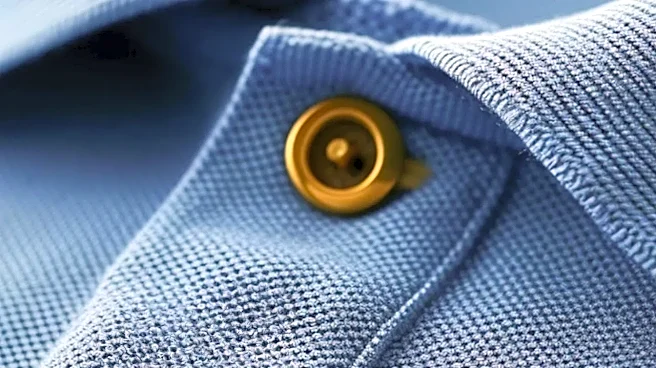
A rib-knit collar, often just called a rib collar, is the most traditional style you'll find on a polo. It’s a separate piece of fabric knitted with vertical ridges, which gives it a textured look and feel. This construction makes the fabric naturally
elastic, allowing it to stretch comfortably around the neck without losing its shape. Think of it like the cuffs on a sweatshirt; that stretchy, structured material is a rib knit. Because it's a different weave from the body of the shirt, it provides a subtle visual contrast and a more structured frame for the face. This classic construction is known for adding a sporty, timeless character to the garment and is a hallmark of traditional tennis and golf apparel.
Understanding the Self-Fabric Collar
A self-fabric collar is exactly what it sounds like: a collar made from the same material as the body of the polo. Instead of attaching a separate piece of ribbed fabric, designers cut the collar from the same jersey, piqué, or performance polyester blend used for the rest of the shirt. To give it structure, these collars are often made by sewing two layers of the fabric together, sometimes with a thin layer of interlining in between for added stability. This approach creates a seamless, uniform appearance where the collar blends in with the shirt, offering a more modern, minimalist, and often sleeker aesthetic. It’s a popular choice for contemporary performance polos where a clean look is desired.
The Style Showdown: Classic vs. Modern
The choice between collar types is a significant style decision. A rib collar offers a classic, distinctly “polo” look. Its textured appearance provides a bit of heft and structure around the neckline, which can feel more formal or traditional. You can often find them in contrasting colors or with stripes, adding a design element to the shirt. On the other hand, a self-fabric collar delivers a clean, modern, and understated vibe. Because it’s made of the same material, it creates a monochromatic, integrated look that allows the shirt's pattern or color to flow uninterrupted. For players who prefer a minimalist or more technical appearance, the self-fabric collar is often the go-to, appearing less like a traditional polo and more like a high-performance top.
On-Court Performance and Comfort
During a match, comfort is paramount. Rib collars, with their natural elasticity, offer a snug yet flexible fit around the neck that moves with you. The added structure helps keep the collar from flapping around during intense play. However, they can sometimes feel thicker or heavier. Self-fabric collars, being made of the same lightweight performance material as the shirt's body, often feel lighter and more breathable. This can be a major advantage in hot weather. The potential downside is that a self-fabric collar made from a very soft or thin material might lack the structure to stand up properly, feeling more floppy or casual. Ultimately, the feel comes down to the specific fabrics used in both the shirt and the collar.
The Durability Dilemma: The Dreaded Collar Curl
One of the most common complaints about polo shirts is the dreaded “collar curl,” where the points of the collar curl upwards, creating a messy look. This issue primarily plagues rib-knit collars. The problem often stems from the tension in the knit, the way it's sewn, or how it reacts to heat in the wash and dryer. The constant folding and washing can cause the ribbed fabric to lose its shape over time. Self-fabric collars generally have a significant advantage here. Because they are constructed from the same stable, woven, or performance-knit fabric as the shirt body, they are far less prone to curling and tend to lay flat wash after wash. This makes them a more reliable choice for maintaining a crisp, sharp appearance long-term.