


The Anatomy of a Divisive Premiere
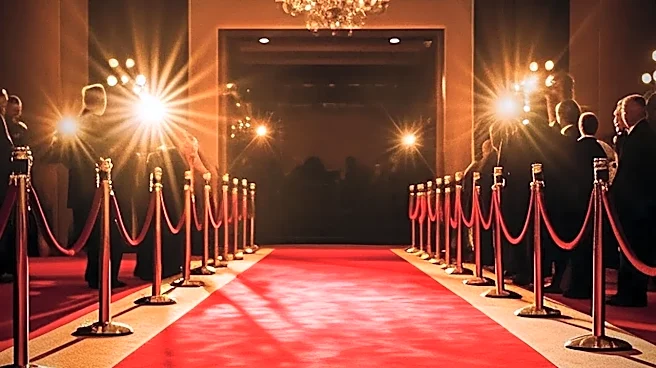
Picture the scene: a packed house at the historic Palazzo del Cinema on the Venice Lido. The world premiere of a highly anticipated film concludes. Instead of polite, uniform applause, the room erupts into a battle of noise—a chorus of boos from one section,
met with a passionate, five-minute standing ovation from another. Journalists sprint to file their hot takes: “A Trainwreck,” says one headline; “A Masterpiece,” declares another. This is a divisive premiere, and it’s pure gold. When Darren Aronofsky’s “mother!” screened at Venice in 2017, it was met with this exact reaction. The psychological horror film was called everything from a work of genius to an indulgent mess. Rather than sinking the film, the polarizing response instantly made it the most talked-about movie at the festival. In the crowded, hyper-competitive world of international film, a sharp, contested reaction is infinitely more valuable than a quiet, lukewarm consensus.
Silence is the Enemy
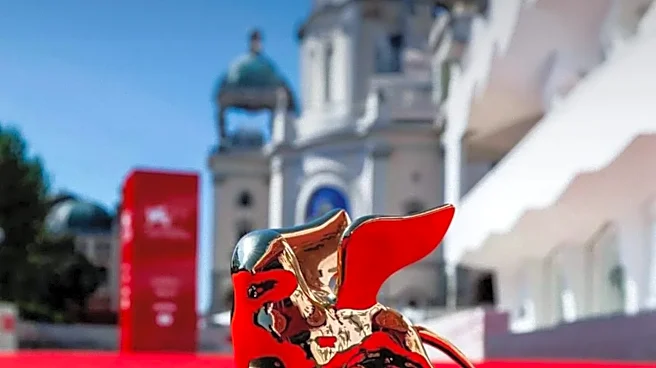
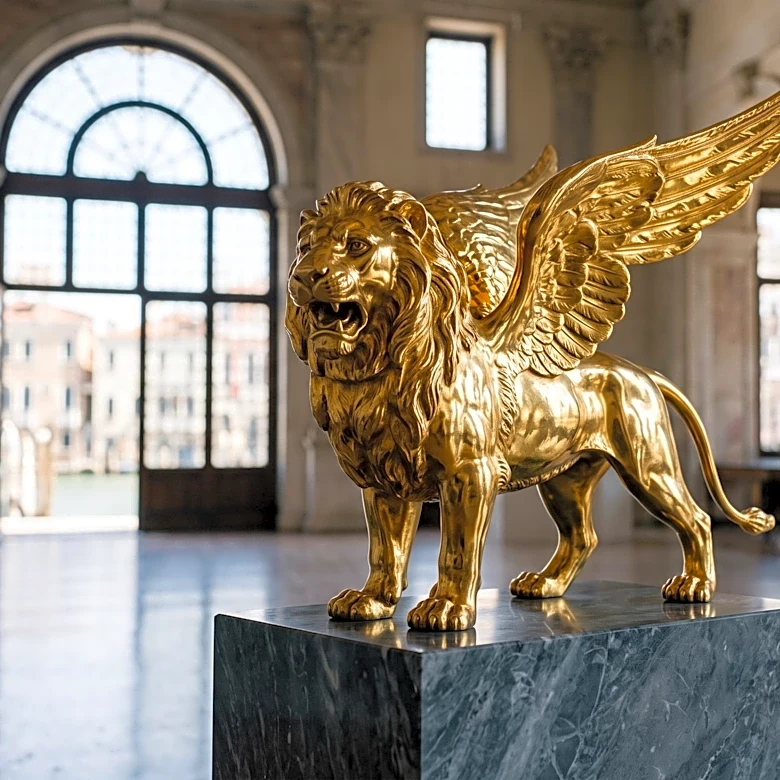
In the modern media landscape, the worst fate for a film isn’t a bad review; it’s no reviews at all. It’s silence. A divisive film actively resists silence. It forces people to have an opinion, to pick a side, and most importantly, to talk. This conversation, or “buzz,” is a priceless marketing tool that money can't easily buy. When Todd Phillips’ “Joker” premiered in Venice in 2019, it was hailed by many critics while simultaneously sparking intense debate over its portrayal of violence and its potential social impact. That very controversy fueled its journey. The film didn't just win the festival’s top prize, the Golden Lion; it rode that wave of debate all the way to over a billion dollars at the box office and an Oscar for its star, Joaquin Phoenix. The arguments surrounding the film kept it in the news cycle for months, drawing in audiences who wanted to see for themselves what all the fuss was about.
The Auteur's Gambit
For certain directors, particularly those known as “auteurs” with a singular, uncompromising vision, a divisive film is less an accident and more a badge of honor. For filmmakers like Aronofsky, Yorgos Lanthimos (“Poor Things”), or Lars von Trier, universal approval might suggest they played it too safe. A polarized reaction, however, confirms they pushed boundaries and challenged the audience. It’s a declaration that the film is a piece of confrontational art, not just disposable content. These directors aren't trying to make a movie for everyone. They are making a statement. Venice, as the world's oldest film festival, has a long history of celebrating exactly this kind of bold, personal filmmaking. Its curated, exclusive lineup provides a prestigious platform where a challenging film can be properly contextualized as a major artistic work, insulating it from the purely commercial pressures of the wider market.
From the Lido to the Awards Stage
A splashy, controversial debut at Venice is often the first shot fired in the long campaign for awards season. The festival's late-August/early-September timing makes it the perfect launchpad for films with Oscar ambitions. A divisive premiere generates the initial burst of energy needed to capture the attention of critics, Academy voters, and distributors. Even if a film alienates half the room, the other half might become its most passionate champions, defending it in print and championing it within industry circles. This dynamic creates a narrative of importance around the film. It's no longer just a movie; it's an event, a cultural touchstone that must be seen and debated. This perception of significance is crucial for navigating the months-long awards race, where staying in the conversation is half the battle. A quiet premiere fades fast, but a loud, argumentative one echoes all the way to Oscar night.