





It’s Not Just the Logo or the Laces
When we shop for a new pair of everyday sneakers, our eyes are drawn to the obvious: the sleek silhouette, the on-trend colorway, the brand’s iconic logo. We might test the fit, give the sole a quick squeeze, and decide based on a combination of style
and initial, step-in comfort. These are all important, but they're the surface-level features. We assume comfort comes from a generally 'cushy' feeling or a flexible upper. While materials like breathable mesh or soft leather uppers contribute to the experience, the real workhorse responsible for all-day wearability is buried deeper, sandwiched between your foot and the ground. This critical component is the true engine of the athleisure phenomenon, quietly making it possible to live in our sneakers without a second thought.
The Real Secret: Midsole Magic
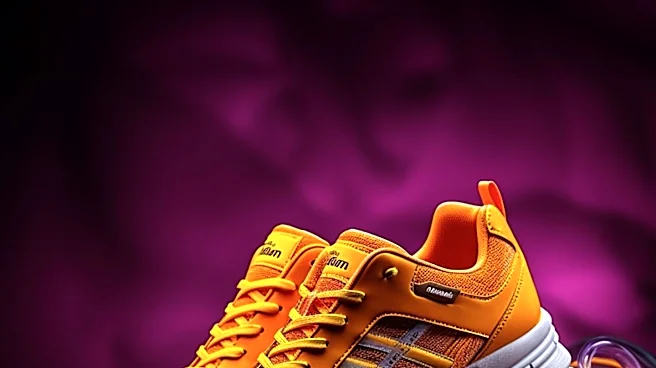
The hidden detail is the midsole. It’s that thick layer of material you see from the side of the shoe, sitting above the rubber outsole that hits the pavement. For decades, this part of the shoe was an afterthought, but it has become the site of a technological arms race among footwear giants. This isn't just a simple slab of foam; it’s a highly engineered compound designed to do two things exceptionally well: absorb impact and return energy. Think of it as the shoe’s suspension system. Every step you take, whether you're walking on concrete sidewalks or standing in line, generates force. The midsole’s job is to soak up that shock, protecting your joints and muscles from fatigue over thousands of steps.
From Simple Foam to Advanced Science
The revolution began with a material called EVA, or ethylene-vinyl acetate. First introduced to running shoes in the 1970s, EVA was a game-changer because it was far lighter and more cushioned than the dense rubber soles that came before it. It’s a foam polymer filled with tiny gas bubbles, which allows it to compress and absorb shock. For a long time, EVA was the standard. But the quest for better performance led to a new generation of proprietary foams. You've probably heard their brand names, like Adidas's Boost or Nike's React. These are essentially supercharged versions of the original concept. Boost, for instance, is made of expanded thermoplastic polyurethane (TPU) pellets fused together, which provide a distinctive soft, bouncy feel. React foam was developed to offer a unique combination of softness, responsiveness, and durability, solving compromises found in earlier materials. These advanced compounds are engineered to resist 'packing out' or flattening over time, meaning your shoes retain their cushioning for longer.
Why It's Perfect for the Athleisure Lifestyle
High-performance running technology might seem like overkill for a trip to the grocery store, but it’s precisely what makes athleisure footwear work so well. The demands of elite running—lightweight feel, shock absorption, and energy return—translate perfectly to the 'urban marathon' of a busy day. That feeling of 'bounce' you get from a modern sneaker isn’t just for shaving seconds off a mile time; it actively fights the fatigue that comes from being on your feet all day. The lightweight nature of these advanced foams means the shoes don’t feel like anchors by the end of the day. This hidden technology allows a shoe to look like a fashion object but perform with the comfort of a dedicated athletic shoe, blurring the lines between style and function in a way that defines the entire athleisure category. It’s the reason you can wear the same pair of sneakers to walk the dog, meet friends for lunch, and still feel good on your feet hours later.