



Follow the Auteurs, Not Just the Stars
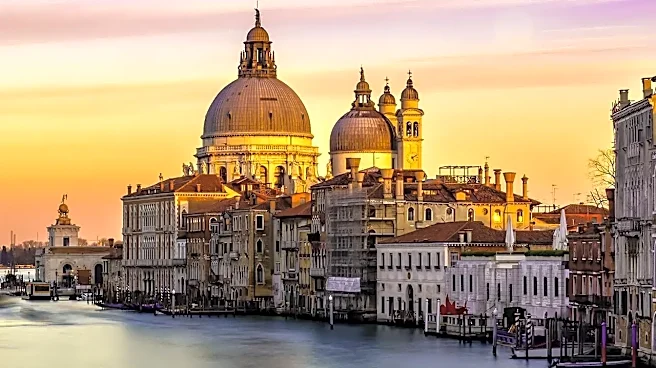
While big movie stars draw headlines, the director’s name is often a more reliable seal of quality. Auteurs—filmmakers with a distinct, recognizable style—tend to deliver films that are, at the very least, interesting. This year’s Venice lineup is a treasure
trove of them. Look for Martin McDonagh’s follow-up to “The Banshees of Inisherin,” a dark comedy called “Wild Horse Nine.” Also on deck are new films from Danny Boyle (“Ink”), acclaimed Korean director Lee Chang-dong (“Possible Love”), and the legendary Werner Herzog (“Bucking Fastard”). Even if you don’t know the plot, a film by a proven visionary is always worth adding to your list. These are the directors whose work critics and film lovers actively seek out, making them a solid starting point for your watchlist.
Zero in on Standout Performances
Sometimes, the biggest story out of a festival isn't a film but a single, electrifying performance. Even in a movie that gets mixed reviews, a career-best turn from an actor is a compelling reason to watch. This year, all eyes are on Robert Pattinson for his portrayal of “To Catch a Predator” host Chris Hansen in the narrative debut “Primetime.” Early buzz suggests it’s a transformative role. Similarly, the real-life couple of Penélope Cruz and Javier Bardem are starring together in “Bunker,” a film written specifically for them about a marriage tested by a morally questionable project. When you see critics repeatedly highlighting an actor’s work, take note. That performance will likely be a major topic of conversation come awards season.
Listen for ‘Divisive’ as a Keyword
A five-star review is great, but the most fascinating films are often the ones that split the room. When you see words like “divisive,” “challenging,” or “uncompromising” in reviews, it signals a film that takes risks. These movies might not be for everyone, but they often spark the most passionate debate. Werner Herzog’s “Bucking Fastard,” which stars sisters Rooney and Kate Mara as siblings who speak in unison and share a lover, is being described as a potential “weird-as-all-hell odyssey” or a “bonkers misfire.” That’s a sign of a film you’ll want to see just to form your own opinion. Another example is Luca Guadagnino’s seven-hour documentary on Bernardo Bertolucci, “Joie de Vivre”—a commitment, to be sure, but one that promises a deep, obsessive dive for true film lovers.
Look Beyond the Main Competition
The Golden Lion is Venice’s top prize, but a festival is much more than its main competition slate. Often, hidden gems are found in sidebar sections like the “Orizzonti” (Horizons) or special “Spotlight” screenings. These sections feature emerging filmmakers or more experimental work that might not have the star power of the main slate but can be incredibly rewarding. For instance, the Spotlight section includes new work from directors like Gael Garcia Bernal and Gabor Reisz. With criticism this year about the lack of female directors in the main competition, it's also a smart strategy to specifically seek out films from other sections, like Alina Serban’s feature debut “I Matter,” to get a fuller picture of the year in cinema.
Track the Narrative Around the Film
The story of a film doesn’t begin and end on the screen. The real-world context can be just as compelling and can tell you a lot about why a movie matters. The buzz around “Primetime” is amplified by the fact that the real Chris Hansen has already called Robert Pattinson’s performance “overly dramatic” and is buying ad space to run before screenings of the movie. That real-world tension adds an irresistible meta-narrative to the film itself. Likewise, the documentary “Oasis: Don't Look Back in Anger” is notable because it features the first joint interviews with the famously feuding Gallagher brothers in over two decades. This context elevates it from a standard music doc to a cultural event.