
The New Normal: Dressing for Endless Summer
The familiar rhythm of four distinct seasons is becoming a thing of the past for many Americans. With heat waves arriving earlier and lasting longer, the demand for summer-appropriate clothing now stretches well beyond June through August. This shift
is forcing a major rethink in the fashion industry, where autumn collections featuring heavy knits can feel out of place when they arrive in stores during what still feels like summer. More importantly, it's changing how we think about getting dressed every day. Comfort, once a secondary consideration to style, has become paramount. The simple strategy of just wearing less clothing is often impractical and can even be counterproductive, as uncovered skin absorbs more heat. The real solution lies in the material itself.
Beyond Cotton: The Science of Staying Cool
For generations, cotton and linen were the default choices for warm weather. While still excellent options, the rise of extreme heat has spurred innovation in textile technology, leading to a new class of ultra-light performance fabrics. The key to their effectiveness lies in three properties: breathability, moisture management, and weight. Breathability is a fabric's ability to allow air to circulate, helping heat escape your body. Moisture-wicking fabrics are engineered to pull sweat away from your skin to the fabric's surface, where it can evaporate quickly, preventing that sticky, clingy feeling. Materials like Tencel (also known as Lyocell) and Modal, both derived from wood pulp, are champions in this arena, known for being exceptionally soft, breathable, and great at managing moisture. Even synthetics like polyester, once dismissed as unbreathable, have been re-engineered with advanced weaves to offer superior cooling for athletic and everyday wear.
From the Gym to the Boardroom
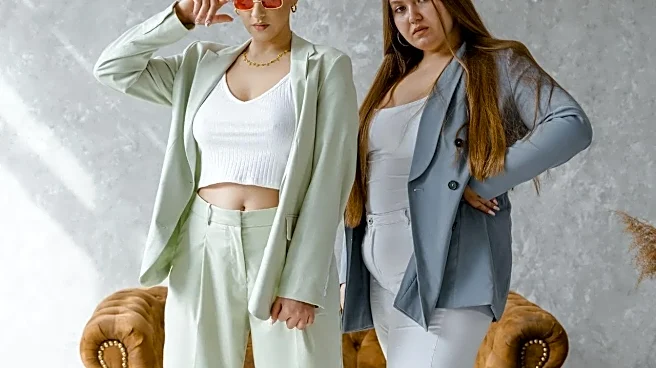
Perhaps the biggest shift is where these technical fabrics are showing up. Once confined to sportswear and outdoor gear, the technology behind moisture-wicking shirts and quick-drying shorts is now being integrated into office attire and high fashion. Brands are recognizing that consumers want the same level of comfort and performance in their work blouses and trousers as they do in their workout clothes. This has led to the rise of 'commuter' pants with hidden stretch, blazers made from breathable, wrinkle-resistant materials, and dresses that look chic but feel as comfortable as a favorite tee. The aesthetic has evolved, too; loose, flowing silhouettes are becoming more popular not just as a style trend, but as a practical way to encourage airflow and comfort in the heat.
What to Look for on the Label
Navigating the world of technical fabrics can be confusing, but a few key terms on the tag can guide you. Look for fabrics described as 'moisture-wicking', 'quick-drying', or simply 'breathable'. For natural-adjacent fibers, Tencel, Lyocell, and Modal are excellent indicators of a soft, cool-wearing garment. Don't be afraid of modern blends; a mix of a natural fiber with a performance synthetic can often provide the best of both worlds—the feel of cotton with the quick-dry benefits of polyester. Pay attention to the weave as well; a more open, porous knit will almost always feel cooler, regardless of the fiber content. Ultimately, investing in these advanced materials is an investment in your own daily comfort in a world that continues to warm.