
From Comic-Con to Couture
For decades, meticulously crafted armor belonged to two distinct realms: historical reenactments and the passionate world of cosplay, where fans spend months recreating the gear of their favorite characters. This was the domain of screen-accuracy, a tribute
to the source material. High fashion, meanwhile, kept its distance. But recently, the cultural walls have come down. The same detailed world-building that fuels blockbuster franchises like 'Dune' or 'The Mandalorian' is now providing a rich visual language for designers. The crossover is no longer a niche interest; it's a full-blown aesthetic movement where the craftsmanship of cosplay is meeting the conceptual world of the runway.
The Art of Translation, Not Replication
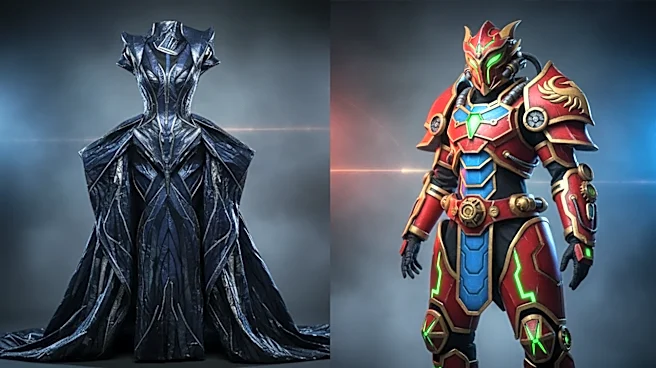
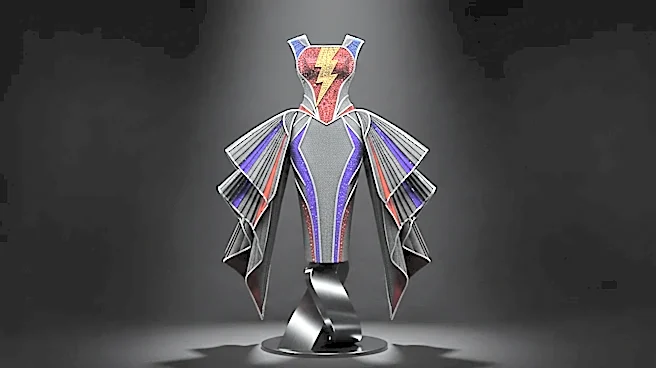
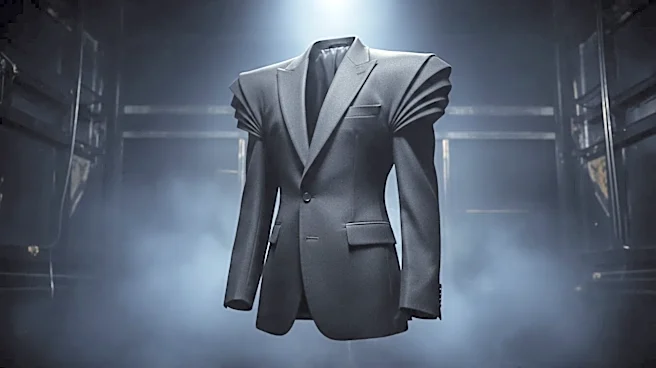
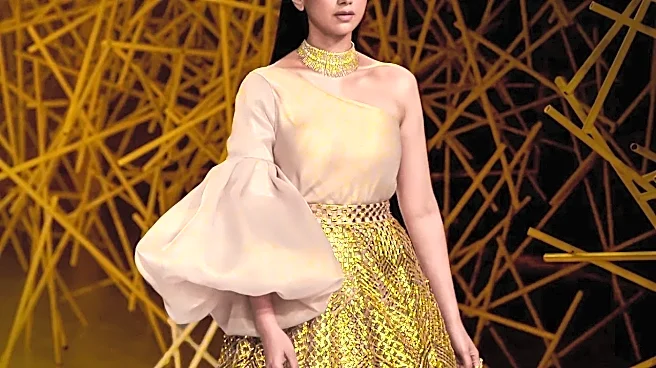
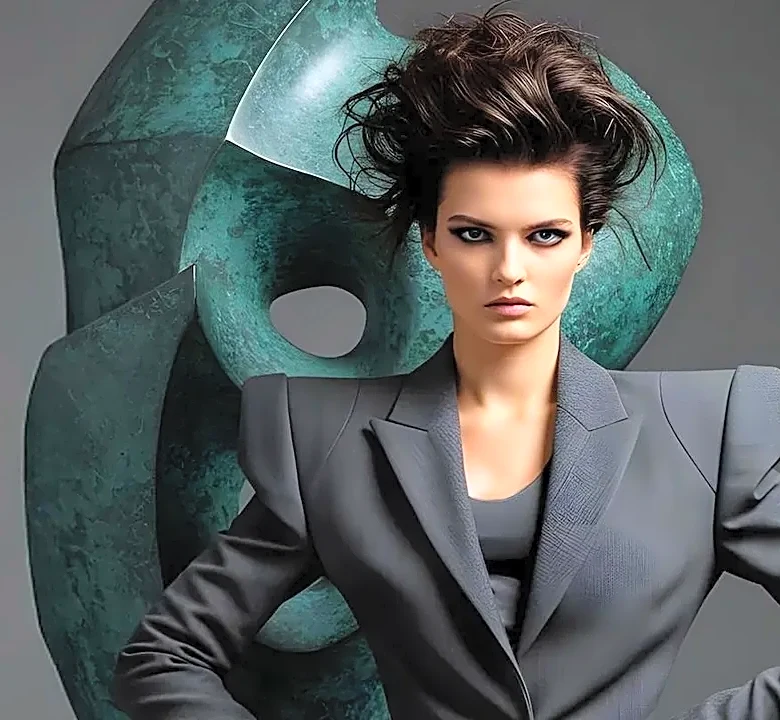
The key to this trend isn't simply putting a movie prop on a model. It's an act of translation. Designers aren't replicating armor; they're interpreting its essence. The goal is not literal protection, but the projection of strength, structure, and story. This is where sculptural dressing comes in. Visionaries like the late Alexander McQueen were masters at this, creating corsets that resembled a human spine or breastplates from materials like glass, turning the idea of armor into a poetic, and sometimes fragile, statement about vulnerability and power. Today, designers like Iris van Herpen use cutting-edge techniques like 3D printing and laser cutting to create intricate, otherworldly pieces that evoke the natural armor of insects or deep-sea creatures, blending technology with organic forms. Metal is swapped for molded leather, chain mail is reinterpreted in shimmering sequins, and rigid plates are reimagined as flowing, sculpted fabric.
Red Carpet Warriors
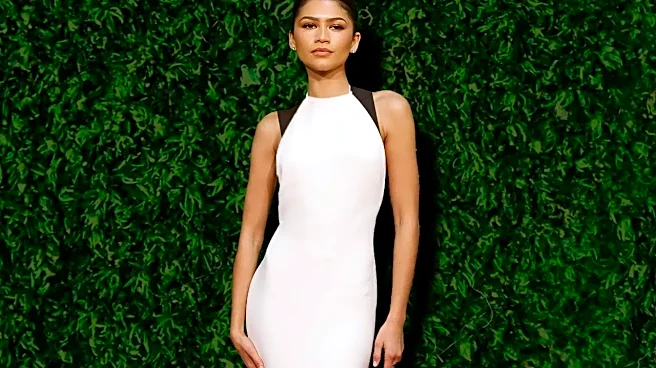
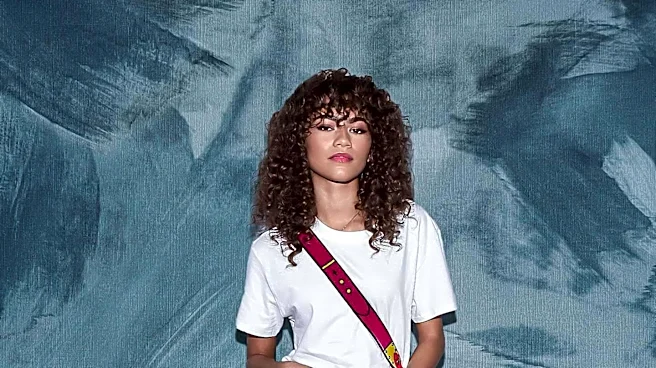
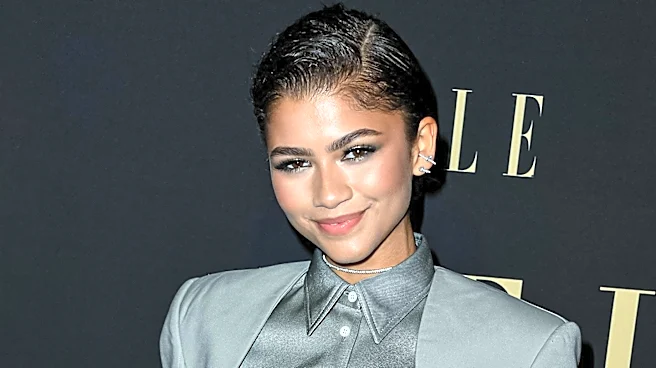
Nowhere is this trend more visible than on the red carpet, the modern battlefield of public image. A-listers, with the help of daring stylists like Law Roach, use these armored looks to create unforgettable moments. Zendaya's 2018 Met Gala appearance as a Versace-clad Joan of Arc was a key moment, directly linking historical armor to high fashion. Her recent appearance in the 1995 Mugler cyborg suit, which took six months to make, cemented the look as the pinnacle of avant-garde dressing. It’s a strategic choice: in a flash of camera bulbs, an armor-inspired gown communicates confidence, power, and a flair for the dramatic that a simple dress cannot. It turns an actor into an icon, a character in her own right.
A New Kind of Power Dressing
Ultimately, the rise of sculptural armor speaks to a broader cultural mood. In an often-chaotic world, fashion is reaching for a new kind of defense. This isn't about physical protection, but psychological fortitude. Like the shoulder pads of the 1980s, these structured, formidable silhouettes are a modern form of power dressing. They are a visual declaration of strength and self-possession. The trend borrows the authority of historical and fictional warriors and repurposes it for the everyday. It suggests that what we wear isn't just clothing, but a kind of personal armor we choose to face the world in, transforming us into our own heroes.