






The Captain Born from Chaos
To understand the significance of Hugo Lloris’s captaincy, you have to remember the state of French soccer before him. The 2010 World Cup in South Africa was a national embarrassment, defined by an on-field player strike, internal chaos, and a humiliating
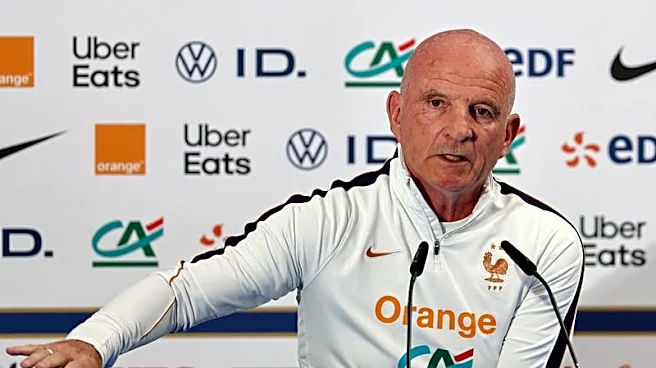
group-stage exit. The team was broken, its leadership toxic. In the aftermath, France needed more than a new coach; it needed a cultural reset. Enter Lloris. First given the armband on an interim basis in late 2010 and then permanently in 2012, he was the antithesis of the turmoil that preceded him. He was a consummate professional—reserved, disciplined, and utterly focused on his job. He wasn’t a fiery orator like leaders of the past. Instead, he was the calm presence chosen to steer the ship out of the storm, a symbol of a new, more professional era for Les Bleus.
A Leader of Quiet Authority
Lloris’s leadership style was one of action, not words. He commanded respect through his world-class saves and unwavering consistency, not through grand speeches. This approach perfectly complemented manager Didier Deschamps, himself a former World Cup-winning captain, who took over in 2012. Deschamps kept Lloris as his skipper, a decision he later said he never regretted. Deschamps described him as a “remarkable human being” who was always focused on the collective, sometimes to his own detriment. This dynamic became the foundation of France’s resurgence. With explosive, creative talents like Antoine Griezmann, Paul Pogba, and later Kylian Mbappé driving the attack, Lloris provided the steady, drama-free backbone. He was the respected elder statesman in a team of young, exuberant stars, ensuring that talent was matched with discipline. He was the quiet force that allowed the artists to paint.
The Pinnacle in 2018
The 2018 World Cup in Russia was the ultimate validation of the Lloris-Deschamps leadership model. France arrived with a squad bursting with talent but also with questions about its unity under pressure. Lloris, as captain, guided them flawlessly. He was a calming influence throughout the tournament, making crucial saves and leading a defense that was impenetrable when it mattered most. When the final whistle blew in Moscow after a 4-2 victory over Croatia, the image of Lloris lifting the World Cup trophy became iconic. It was the culmination of an eight-year journey from the disgrace of 2010. For Lloris, it was a moment of immense pride, and he was quick to credit his teammates, calling it a “shared success that created a bond between us.” He had successfully steered a team of individual brilliance toward a collective goal, proving that leadership doesn't always have to roar.
Cementing a Record-Breaking Legacy
While 2018 was the peak, Lloris’s story didn't end there. He led France to a UEFA Nations League title in 2021 and came agonizingly close to becoming the first captain to win two World Cups, falling only to Argentina in a legendary 2022 final. During that tournament, he cemented his place in French history by surpassing Lilian Thuram to become the nation's most-capped player. When he retired from international football in January 2023, he did so with an incredible 145 appearances, 121 of them while wearing the captain's armband—both national records. He explained his decision by saying it was time to “hand over the reins” and that he preferred to go out at his peak. It was a characteristically selfless and forward-thinking move from a player who always put the team first.