
The Shared Breath of the Audience
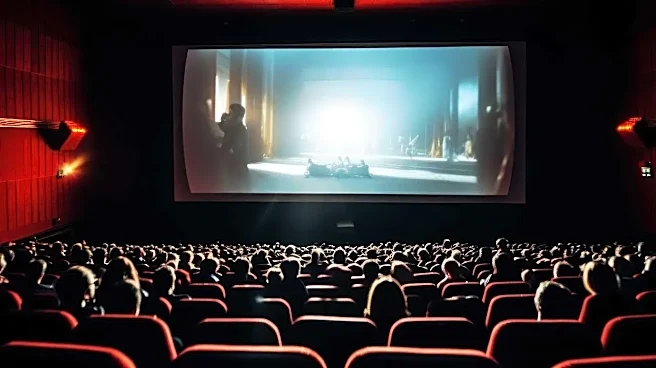
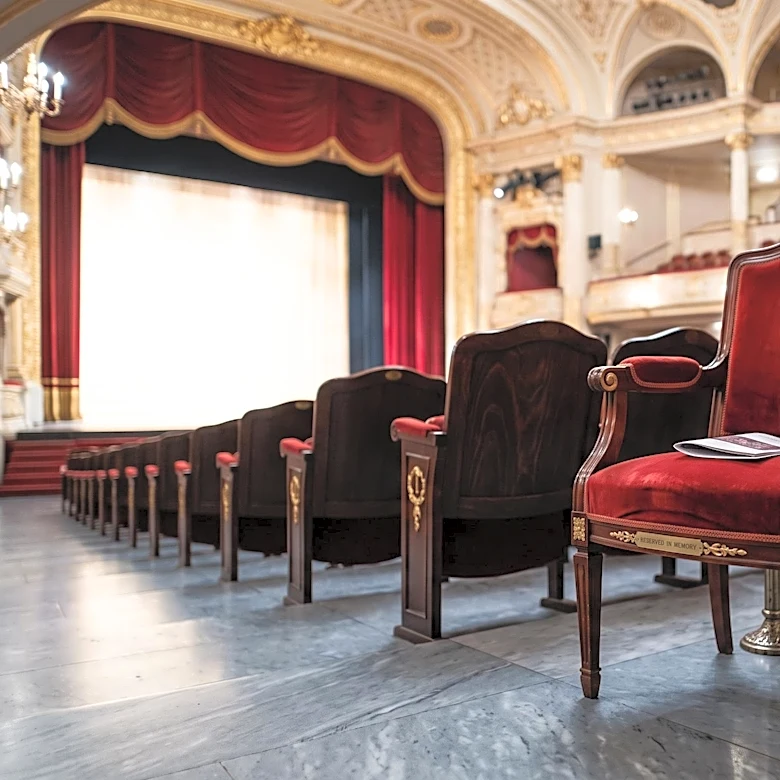
There’s a unique energy that fills a historic cinema like the Sala Grande just before a world premiere. It’s a palpable, collective anticipation—a room full of cinephiles, critics, and creators holding a shared breath. When the lights go down, the experience
is communal. A shocking twist elicits a unified gasp; a poignant moment is met with a profound, group silence. This year, as premieres for films like Danny Boyle’s “Ink” and Martin McDonagh’s “Wild Horse Nine” unspool, that energy is once again the festival's lifeblood. The most coveted Venice tradition is the standing ovation, a spontaneous eruption of applause that can last for minutes, where the audience and filmmakers share a moment of pure, unadulterated appreciation. It’s an emotional feedback loop, a visceral connection that your living room couch, no matter how comfortable, simply cannot host. The solitary click of a remote is a world away from the thunderous applause of a thousand strangers united by a story.
The Spectacle Beyond the Screen
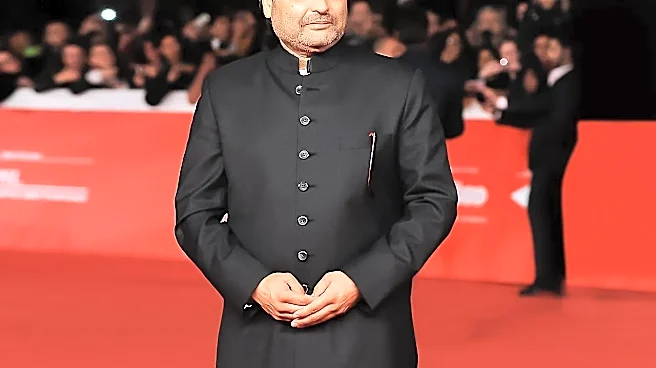
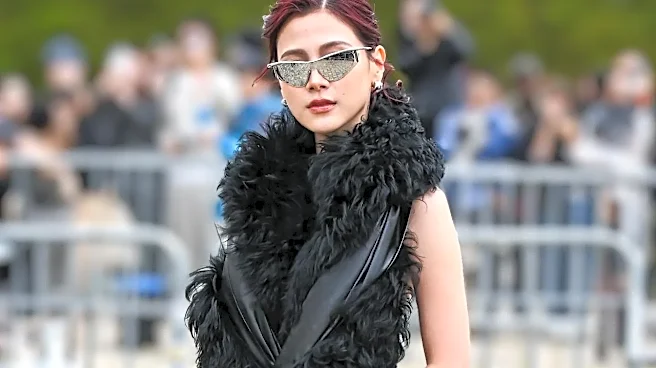
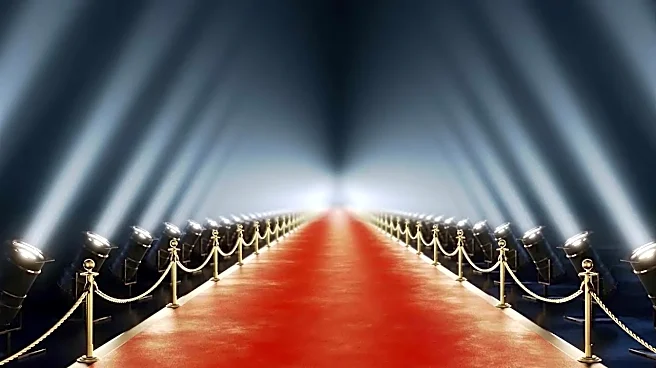
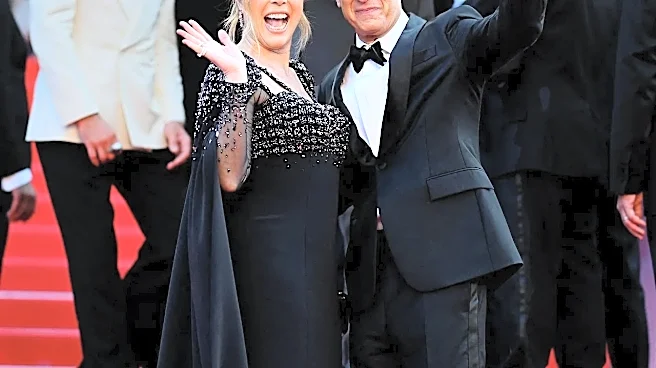
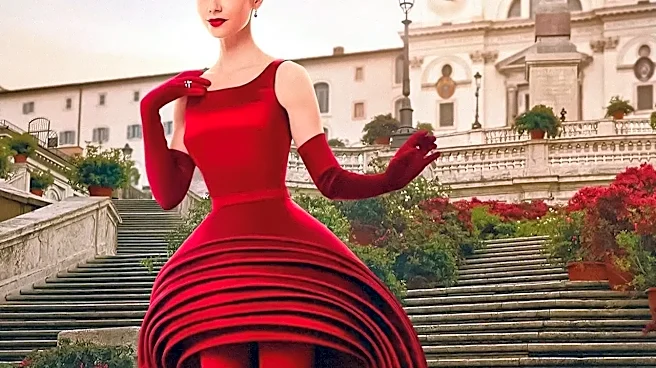
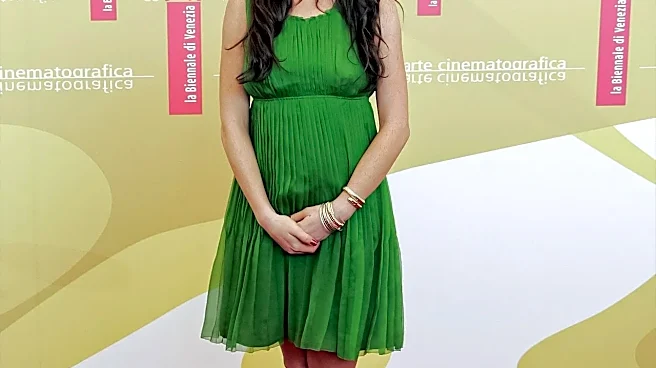
Long before a film’s opening credits roll, the festival’s main drama unfolds on the water and the red carpet. Stars don't just arrive; they make an entrance on sleek water taxis, a quintessentially Venetian twist on the black SUV. This year, George and Amal Clooney’s arrival captured this perfectly, embodying the relaxed glamour that defines the event. The public can gather for free at designated viewing areas to watch the procession of fashion and celebrity, turning the Lungomare Marconi into an open-air theater of its own. It’s an unscripted show where couture from major fashion houses gets its first real-world test, and candid moments create as much buzz as the films themselves. This blend of high fashion, celebrity culture, and public access is a spectacle that a streaming platform’s curated landing page can never capture; it’s live, unpredictable, and completely immersive.
Where the City Is the Star
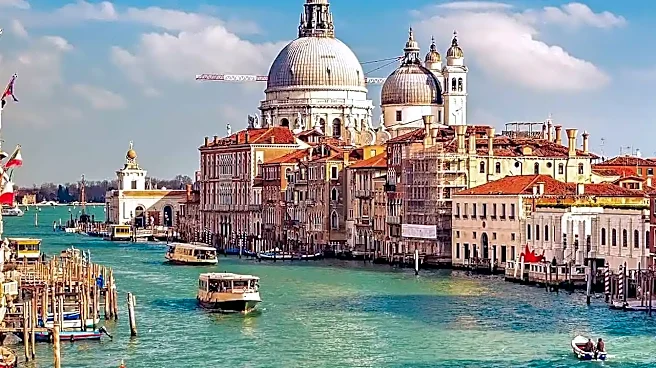
Any film festival can show a movie, but only Venice has Venice. The festival isn’t just held in the city; it’s intrinsically woven into its fabric. The primary venue is on the Lido, a serene barrier island separating the lagoon from the Adriatic Sea. Getting there requires a journey by vaporetto (water bus), a 20-minute trip that doubles as a transition from the tourist bustle of St. Mark’s Square to the focused calm of the festival hub. The island itself, with its Art Nouveau villas and beachside promenades, becomes a character in the experience. The walk from the boat stop to the Palazzo del Cinema is a daily ritual, a parade of badge-holders and film lovers against a backdrop of timeless elegance. This sense of place—the salt in the air, the historical weight of the surroundings—infuses every screening and conversation with a magic that can't be exported.
The Serendipity of Human Connection
At its heart, a film festival is a temporary city built on passion. The real magic often happens in the spaces between screenings. It’s in the heated debates over an espresso at a cafe near the Palazzo del Casino, the chance encounters with directors or actors at a trattoria, or the shared camaraderie in a long queue. It’s a place where students, industry veterans, and casual film fans can all exist in the same space, united by a love for cinema. While streaming offers endless choice, it’s an inherently isolating activity. The festival environment fosters the opposite: a dense, temporary network of human connection. You might watch a film by an unknown director from a country you know little about and then find yourself discussing it with a stranger who offers a completely new perspective. This is the analog, human algorithm that a digital platform has yet to replicate.