


The Undeniable Weight of Reality
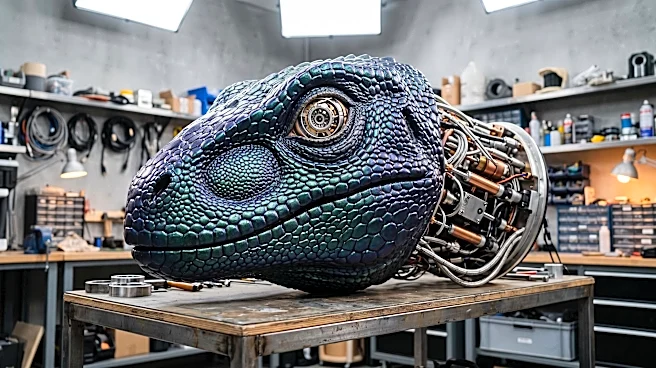
There's a reason the creature effects in 1982’s “The Thing” still provoke a visceral reaction decades later. When an effect physically exists on set—a latex prosthetic, a puppeteered monster, gallons of sticky fake blood—it has weight and texture that
digital creations often struggle to replicate. This tangibility does more than just sell the illusion to the audience; it gives the actors something real to react to, creating a more immersive and genuine performance. Horror is a physical genre, designed to provoke a gut response. Our brains are hardwired to recognize and fear things that appear to have a real presence, things that could seemingly reach out and touch us. An actor screaming at a tennis ball on a green screen simply doesn’t have the same energy as someone recoiling from a masterfully crafted animatronic beast glistening under the studio lights. That physical reality is a kind of horror that can’t be faked.
The New Era: A Hybrid Approach
The idea of practical effects and CGI as bitter rivals is an outdated narrative. The most innovative modern filmmakers treat them as tools in a single toolbox, using each for what it does best. Visionary directors like Guillermo del Toro have long championed this blended approach. For his film “Crimson Peak,” the ghostly apparitions were actors in full costume on set, with CGI used only to enhance their ethereal nature. This philosophy is now widespread. Recent films like 2017's “It” and 2023's “Evil Dead Rise” masterfully combine methods. Pennywise was brought to life through a combination of Bill Skarsgård's unsettling physical performance, detailed prosthetics, and digital enhancements for his impossible transformations. CGI is used to remove wires, composite layers, or create elements that are genuinely impossible to build, while practical effects provide the physical anchor that makes it all feel real.
Indie Horror Carries the Torch
While big studios once leaned heavily on sometimes-unconvincing CGI in the 2000s, the independent horror scene became a sanctuary for practical effects. Driven by both budgetary constraints and a passion for old-school craftsmanship, indie filmmakers created some of the most memorable and gruesome horror of the last decade. The “Terrifier” franchise is a prime example. Made on a micro-budget, “Terrifier 2” became a word-of-mouth blockbuster, largely thanks to its shockingly brutal and entirely practical gore effects, which director Damien Leone often helped create himself. Films like “The Void,” “Possessor,” and “The Witch” also prioritized tangible effects to build their uniquely dreadful atmospheres, proving that creativity, not budget, is the most important ingredient. This indie renaissance has kept the spirit of hands-on horror alive and kicking.
Audiences and Artists Are Demanding More
After a period in the mid-2000s where an overreliance on digital effects led to what some called “visual fatigue,” both creators and audiences are pushing back. Viewers have become more discerning and can easily spot weightless, poorly integrated CGI. This has fueled a renewed appreciation for the artistry of practical effects. A generation of filmmakers who grew up watching the 80s classics of John Carpenter, David Cronenberg, and Sam Raimi are now in the director’s chair, eager to pay homage to the techniques that inspired them. Recent acclaimed films like “The Substance” have been celebrated specifically for their intense commitment to practical body horror, showing a clear demand for this kind of visceral, tangible filmmaking. The consensus is clear: practical effects aren’t a relic of the past; they’re a vital, celebrated component of modern horror.