


Redefining the Audience
For decades, an awards show's success was measured by a single number: overnight television ratings. By that metric alone, the VMAs, like most legacy awards shows, has seen its traditional viewership decline from its peak. But judging the 2026 VMAs on that number is like judging a blockbuster
film by its opening night ticket sales in a single city. The modern media landscape, and Paramount's strategy, is built on a much wider definition of success. The experience is now spread across broadcast television on CBS, its original cable home on MTV, and the Paramount+ streaming service. This multi-platform approach is designed to create what one Paramount executive called a "uniquely multigenerational" event. The real audience isn't just the millions watching live on a TV; it's the tens of millions more who will consume the show in pieces across TikTok, YouTube, and Instagram. Music analytics platforms now measure artists not just by sales but by their entire digital footprint, blending Spotify streams, YouTube views, and social media followings. The VMAs have simply applied the same logic to their own broadcast.
Engineering Virality, One Moment at a Time
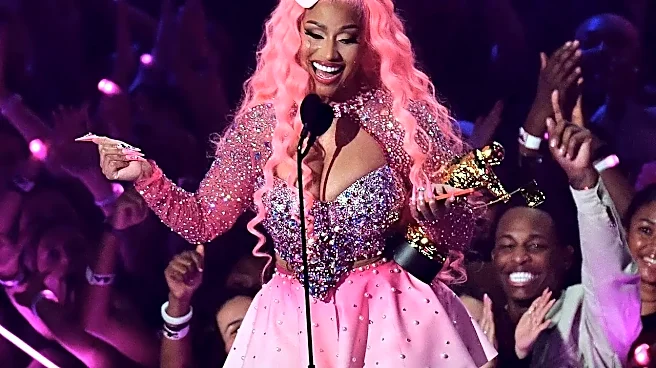
The show's producers are explicit about their goal: to create mayhem. The VMAs are engineered less as a two-hour telecast and more as a content factory for social media. Every surprise performance, unexpected collaboration, and meme-worthy acceptance speech is a potential viral clip. The show has a long history of these moments, from Madonna's 1984 "Like a Virgin" performance to Beyoncé's baby bump reveal. The 2026 show continues this by booking Madonna for her first VMA performance in 23 years and tapping Snoop Dogg as host, both artists with a deep history of creating unscripted moments. Fan voting, which now extends to Instagram stories for categories like "Song of Summer," is another way to drive continuous online conversation before, during, and after the broadcast. This strategy is often called chasing the "second screen"—the phone in every viewer's hand. For the VMAs, the second screen has become the primary stage, where millions of shares, comments, and likes become the new currency of success.
Selling the Buzz to Brands
This massive digital footprint is precisely what Paramount sells to its A-list advertisers. Brands like Dunkin', Under Armour, and Spotify aren't just buying 30-second commercials; they are buying entry into a massive cultural conversation. Sponsorships are deeply integrated into the show itself. For the 2026 show, BACARDÍ presented the return of the Best Dance category, while Spotify partnered on Madonna's opening performance. This model allows brands to attach themselves to the night's most talked-about moments, extending their reach far beyond the live broadcast. As one Paramount executive noted, these partnerships offer a chance to "become part of the experience in ways that extend beyond a traditional commercial." It’s a lucrative exchange: MTV delivers a young, engaged audience that is notoriously hard to reach through traditional advertising, and brands get to embed themselves in content that viewers are actively seeking out and sharing.
Speaking the Language of the Streaming Generation
Ultimately, the fast-paced, sometimes disjointed feel of the VMAs is a direct reflection of how its target demographic consumes media. The era of sitting through a three-hour show is over for many younger viewers, replaced by a constant stream of short-form video on platforms like TikTok and YouTube, where music video culture now primarily lives. The show's structure mimics this experience, jumping quickly between performances, awards, and candid moments. This isn't just a stylistic choice; it's a survival tactic. To keep a generation raised on algorithmic feeds engaged, you have to give them a show that feels like one: a rapid-fire delivery of content designed for short attention spans. The move to simulcast on CBS and stream on Paramount+ acknowledged that MTV no longer occupies the central role in youth culture it once did. By embracing a loud, fast, and shareable format, the VMAs aren't abandoning their identity; they're translating it for a new era, ensuring they remain, as one producer put it, "inseparable from the culture around it."