




The Rugged Original
Before it was spotted with an Aperol spritz in hand, the safari jacket was a purely functional garment. Born in the late 19th century, it was designed for British military officers and explorers navigating the hot, demanding climates of Africa and India.
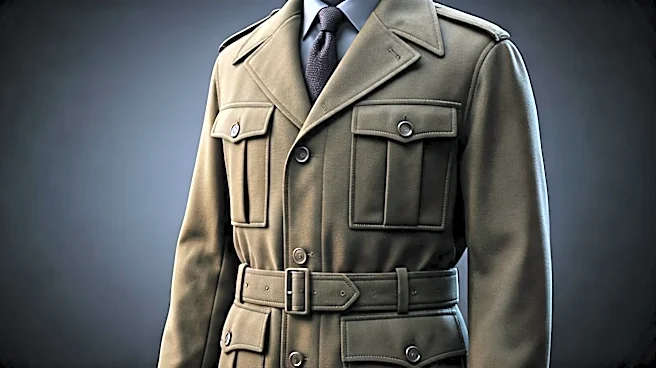
Its classic form was a masterclass in utility: crafted from sturdy cotton drill in khaki or beige, it featured four large bellowed pockets for carrying maps and supplies, epaulets to secure a bag strap or binoculars, and a self-fabric belt to cinch the waist against dust and insects. It was the uniform of adventure, famously worn by figures like Ernest Hemingway and Stewart Granger, cementing its image as a symbol of rugged masculinity and worldly exploration. For decades, it remained firmly in the realm of casual, practical outerwear—something you’d wear for function, not for sartorial flair.
Enter the Florentine Stage
To understand the jacket’s transformation, you have to understand Pitti Uomo. What began in the 1970s as a formal menswear trade show inside Florence’s Fortezza da Basso evolved into something much more. By the 2010s, the plaza outside the fortress had become the world’s most important runway for men's street style. Photographers from every major publication flocked to capture the elaborate, individualistic, and often flamboyant outfits of the attendees—buyers, editors, designers, and influencers collectively known as the "Pitti Peacocks." This became a real-time laboratory for style. Trends weren't just dictated by brands inside; they were created, remixed, and broadcast to the world from the cobblestones outside. The unofficial uniform was tailoring, but with a twist—a concept the Italians call "sprezzatura," or studied nonchalance.
The Great Remix
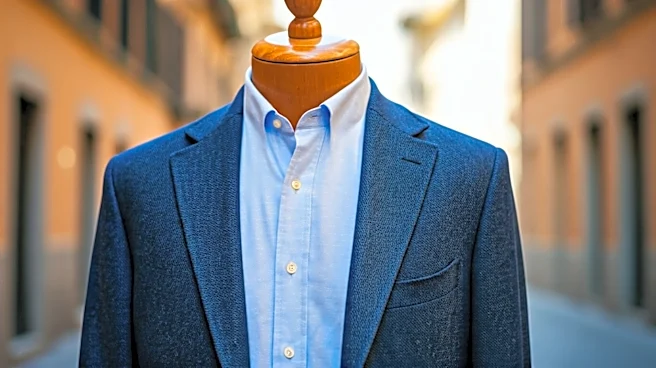
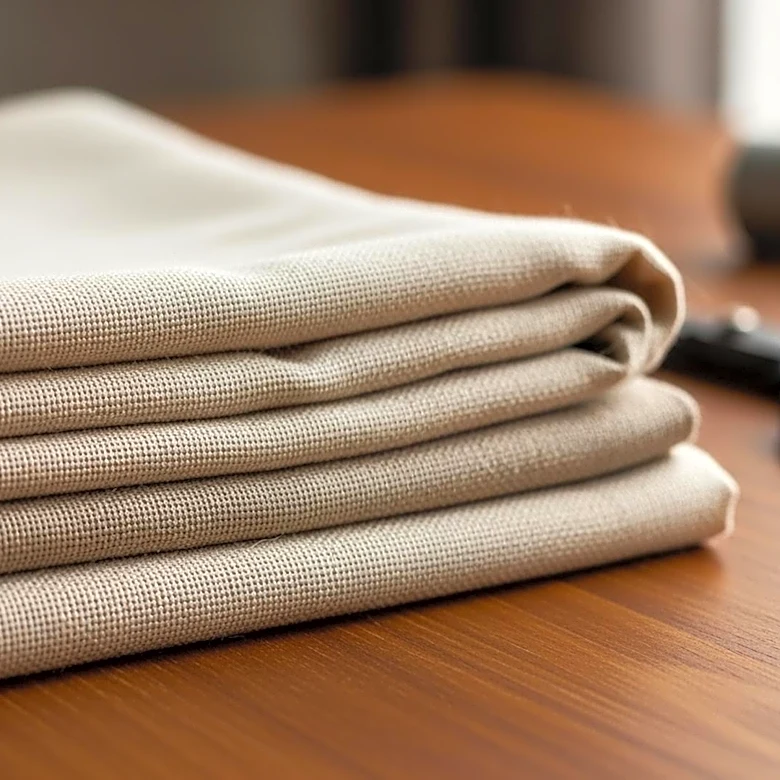
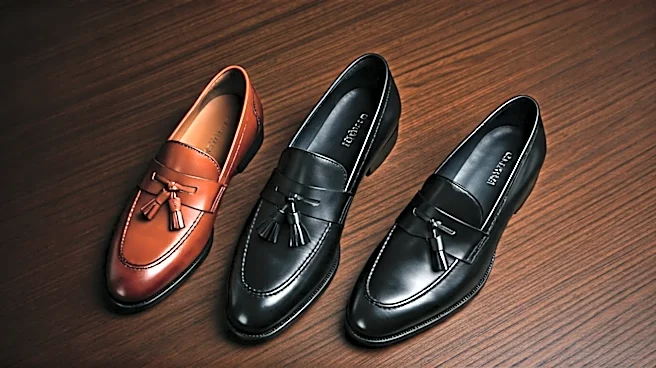
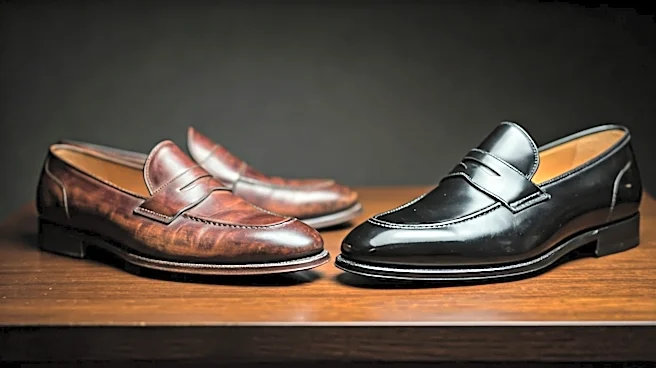
It was in this environment that the safari jacket found its second life. The men of Pitti, masters of mixing high and low, saw potential in its classic silhouette. They began treating it not as a heavy-duty coat, but as a substitute for a sport coat or blazer. The reinvention was total. The rugged cotton drill was swapped for luxurious fabrics: breezy Irish linen, supple Italian suede, plush cashmere, and even raw silk. The boxy, utilitarian cut was replaced with a soft, unstructured Neapolitan shoulder and a more tailored waist. The traditional belt was often discarded entirely, allowing the jacket to be worn open and flowing, like a cardigan. It was layered over crisp dress shirts and knit ties, paired with sharply creased trousers and fine leather loafers. The context was everything. By placing it within a formal, tailored ensemble, the Pitti crowd stripped the jacket of its colonial baggage and repositioned it as a sophisticated, versatile piece of modern menswear.
A Modern Tailoring Essential
Today, the safari jacket stands as a testament to Pitti Uomo’s influence. It has become a legitimate alternative to the blazer, offering a unique blend of elegance and practicality. The four pockets that once held ammunition and field notes now offer a perfect spot for a smartphone, sunglasses, and a wallet, eliminating the need to stuff your trouser pockets. Its inherent structure provides a smart silhouette without the formality of a fully canvassed suit jacket, making it ideal for the modern, smart-casual dress code that dominates so many workplaces and social settings. Brands from the highest echelons of luxury to more accessible makers now offer their own interpretations, cementing its place as a staple. What was once a symbol of the adventurer has become a calling card for the tastefully dressed modern man.