






The Anatomy of Purposeful Panic
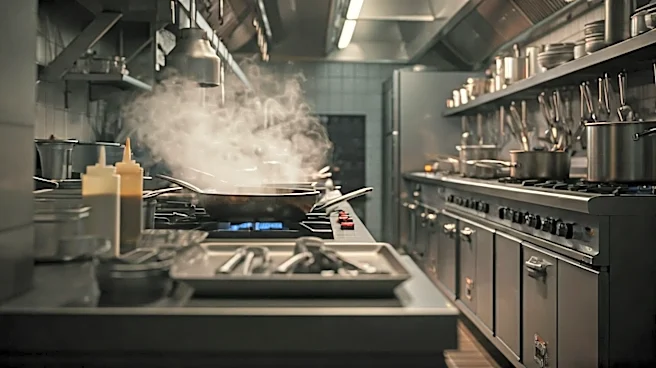
Any show can fill a room with shouting and call it tension. What sets 'The Bear' apart is its ability to make every stressful moment serve a purpose. The chaos in the kitchen isn't just background noise; it's a direct reflection of the characters' internal
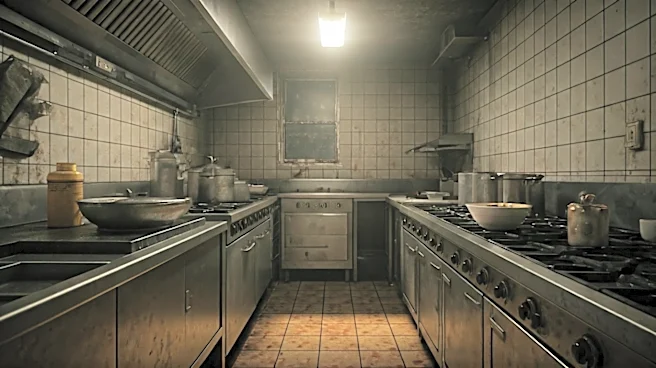
states. Creator Christopher Storer and his writing team ensure that the pressure is layered and specific. It’s not just a busy dinner service; it’s a busy dinner service when the restaurant is on the brink of financial collapse, a health inspector could walk in at any moment, and the head chef is wrestling with the ghost of his deceased brother. These compounding pressures mean that every dropped pan and burnt sauce has stakes far beyond the plate. The panic becomes a narrative engine, driving the plot forward and revealing character under duress. The drama isn't the noise itself, but the characters' desperate attempts to function within it.
Dialogue as a Pressure Cooker
The overlapping, rapid-fire dialogue is a signature of the series, designed to create a sense of sensory overload for the viewer. Characters constantly talk over one another, not just to mimic the reality of a bustling kitchen, but to show that no one is truly listening. Everyone is trapped in their own urgent objective. Carmy needs to implement a system, Richie is terrified of being made irrelevant, and Sydney is desperate to prove her value. Their conversations are a battle of competing needs. According to the show's sound editors, this effect is meticulously crafted, with dialogue often being stripped down and then rebuilt element by element to ensure the chaos feels intentional, not messy. The writers use this technique to heighten both drama and comedy, turning misunderstandings into high-stakes conflicts or moments of absurd levity.
The Ticking Clock of Trauma
Time is a constant antagonist in 'The Bear.' The blare of a digital timer or the relentless churn of the ticket printer acts as a constant, audible source of anxiety. This isn't just about getting food out on time; it's a metaphor for the larger deadlines the characters face. They're running out of time to save the restaurant, to fix their relationships, and to process their grief. The show’s most famously stressful episode, Season 2’s “Fishes,” weaponizes this perfectly. Set during a disastrous Christmas dinner, the tension is built around the matriarch Donna’s attempt to cook seven fishes simultaneously, with each ringing timer pushing her, and the entire family, closer to an emotional explosion. The episode reveals the foundation of the Berzatto family trauma, showing that their panic isn't a new development but a learned, inherited state of being.
Sound That Serves the Story
The show’s sound design is a crucial component in its controlled chaos. The audio team doesn’t just create a wall of noise; they construct a detailed soundscape where every sizzle, chop, and shout is clear and purposeful. Supervising Sound Editor Steve “Major” Giammaria has noted that while the show's nature is chaos, the job is to control it, ensuring dialogue remains coherent amidst the cacophony. The sound mix fluctuates dramatically, moving from the intense roar of the kitchen to moments of profound quiet. These silences are just as important as the noise, offering a brief respite that often amplifies the tension that follows. In one sequence, the frantic energy of the kitchen is contrasted with the calm, methodical way a chef at another restaurant peels mushrooms, showing that pressure doesn't have to equal pandemonium. This contrast highlights that the chaos at The Original Beef is a symptom of its dysfunction, not an inherent part of the industry.