


More Than Just a Green Room
At most massive festivals, the backstage area is a sterile, functional zone—a maze of trailers and temporary tents designed to get artists from their transport to the stage with minimal friction. At Austin City Limits, however, the backstage carries a different
weight. Born from the legacy of the legendary PBS show, ACL has always cultivated an artist-first, community-centric vibe that extends behind the scenes. It’s less of a corporate VIP section and more of a sprawling, relaxed compound where musicians from wildly different genres can cross paths. This environment reflects the city’s own motto to “Keep Austin Weird,” fostering a space that feels more like a musician’s hangout than a high-security holding pen. This reputation makes any sighting there feel less like a planned photo-op and more like an authentic moment.
A Breeding Ground for Collaboration
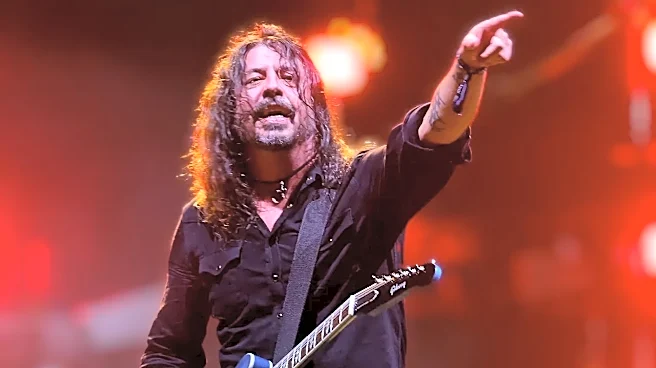
The holy grail for any music fan is the unexpected collaboration. The ACL backstage is revered as a place where these moments are born. When artists who admire each other finally meet in a low-pressure setting, the seeds for future duets, guest verses, or even entire projects are planted. History is filled with these stories. Foo Fighters, for instance, have a history of paying homage to the Austin scene, and brought out local hero Gary Clark Jr. for a memorable on-stage collaboration that felt born from backstage camaraderie. Drake bringing out Future was another one of those “I was there” moments that becomes festival lore. Fans understand this dynamic. Seeing a legacy act talking with a rising indie star isn’t just a cool picture; it’s a potential preview of music to come, making the backstage area a real-life fantasy league for music nerds.
The Ultimate Co-Sign
In the hyper-curated world of the music industry, a backstage hang is the ultimate, unfiltered co-sign. It’s a powerful, non-verbal signal of an artist's place in the cultural ecosystem. When a critically acclaimed but commercially modest artist is seen chopping it up with a global superstar, it validates their talent and relevance in a way a thousand glowing reviews cannot. For fans, this is a proxy for their own taste. It confirms that the artist they championed early on is now being accepted by the industry’s elite. This dynamic creates a hierarchy of access and knowledge; fans who can identify the rising star in the background of a legend’s photo feel a sense of insider status. It’s a real-time status update, confirming who is on the rise, who has staying power, and who is officially part of the cool kids' club.
A Glimpse of the 'Real' Artist
Fandom is ultimately about connection, often through what psychologists call a “parasocial relationship”—a one-sided bond where a fan feels they know the artist personally. Backstage photos feed this connection by offering a perceived glimpse of authenticity. Away from the stage lights and choreographed performances, we see artists in a more casual, human state. They’re laughing with friends, grabbing a taco from a local vendor, or watching another set from the wings. These candid moments pierce the veil of celebrity, making massively famous figures feel more relatable. For a fan base that increasingly craves a genuine link to the musicians they admire, a blurry backstage photo is more valuable than a perfectly polished press release because it feels real, unscripted, and, for a fleeting moment, accessible.