




An Authentic Foundation
The secret to 'The Bear' isn't just its high-stakes drama; it's the rich, authentic soil from which it grows. The show’s fictional 'The Original Beef of Chicagoland' is lovingly based on a real institution, Mr. Beef, a no-frills River North staple. Show
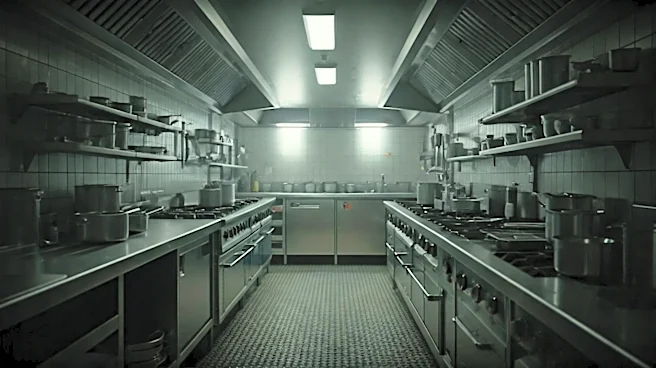
creator Christopher Storer grew up with the owner's son, and that intimacy bleeds onto the screen. The series was initially filmed in the actual restaurant, capturing the cramped quarters and lived-in history before meticulously recreating it on a soundstage. This commitment to reality grounds the entire series. The Chicago you see isn't just B-roll of the Bean; it's the 'L' train, the neighborhood streets, and the palpable energy of a city with a deep, complex culinary history. This isn't just nostalgia for nostalgia's sake; it's the foundation of a believable world, making the characters' struggles feel immediate and real.
The Cinematography of Anxiety
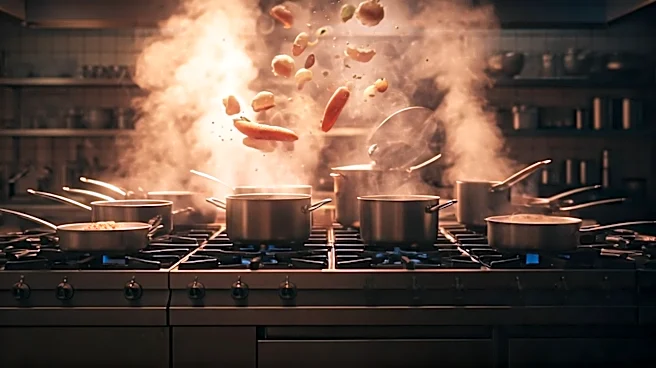
Prestige television has its own visual language, and 'The Bear' is fluent. The show weaponizes cinematography to generate a feeling of controlled chaos and relentless pressure. Directors pair frenetic, quick cuts with extreme close-ups on sweaty faces, sizzling pans, and frantically scribbled orders. This editing style gives the viewer a sense of the kitchen's rising heartbeat, making the simple act of cooking feel as intense as a life-or-death situation. Then, just as the chaos becomes unbearable, the camera will settle into a long, uninterrupted take, following a character through the kitchen's tight corridors. This technique, reminiscent of films by Michael Mann, creates a visceral, claustrophobic experience where the restaurant itself becomes an obstacle. The visual style isn't just for show; it’s a storytelling tool that traps the audience in the same pressure cooker as the characters, making their psychological states physically palpable.
Characters on the Verge
Ultimately, what elevates 'The Bear' from a workplace dramedy to prestige art are its people. The show's crises are often small and domestic—a failed health inspection, a botched dish, a walk-in freezer door that won't open—but they are treated with the emotional weight of a Shakespearean tragedy. This is because the show isn't really about making sandwiches; it's a deeply moving exploration of grief, ambition, addiction, and generational trauma. Carmy, the brilliant but broken chef, is a classic antihero, driven by a punishing perfectionism that’s as much about honoring his late brother as it is about running from his own pain. Every member of the ensemble cast is given a rich inner life and a meaningful arc, transforming them from simple employees into a complex, found family. Like the great dramas that preceded it, from 'The Sopranos' to 'Mad Men,' 'The Bear' understands that the most compelling stories are about the internal battles of flawed, fascinating people.
Food as Emotional Arc
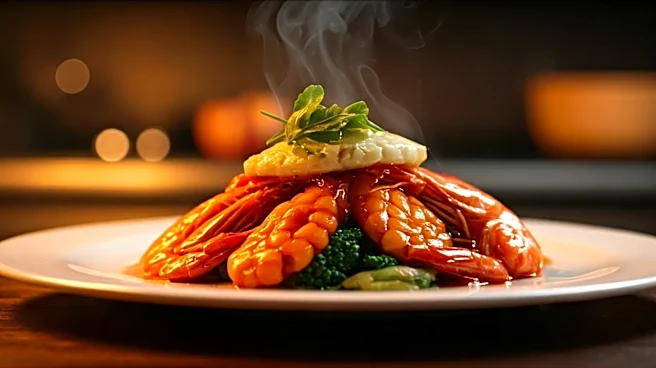
In 'The Bear,' food is never just food. It's the plot, the emotional core, and the primary metaphor for transformation. The journey from serving classic, messy Italian beef sandwiches to plating Michelin-star-worthy dishes mirrors the characters' own evolution. In the first season, the struggle is to maintain tradition and order amidst chaos. By later seasons, as the team aims for fine-dining excellence, the food becomes a vessel for their ambition, creativity, and desperate need for validation. The culinary producer ensures that every dish is real and every kitchen process is authentic, adding another layer of lived-in reality. The tension isn't just whether they will succeed, but what the pursuit of perfection costs them personally and professionally. This focus on craft and the sacrifices it demands resonates deeply, turning a story about a restaurant into a universal commentary on the price of chasing a dream.