



The Sacred Ritual of Sunrise
After a long night of dancing and exploration, many participants find themselves in the deep playa, the vast open space beyond the main city. Here, as the sky begins to lighten around 5 a.m., a palpable shift occurs. The frantic energy of the night gives
way to a quieter, more meditative atmosphere. This is the domain of the sunrise set. DJs on iconic art cars switch from hard-hitting dance tracks to more ambient, melodic, and emotional music. For many, this is a spiritual peak of the entire week, a moment of collective awe and reflection. Artists like Tycho have become famous for their traditional sunrise performances. It's a time when people, feeling emotionally raw and open after a night of adventure, connect with the massive scale of the desert and the simple, undeniable cycle of the day. This shared experience serves as a gentle conclusion to the night's festivities and a quiet beginning to the day ahead.
The Harsh Necessity of Daytime Retreat
As the sun climbs higher, the Black Rock Desert reveals its unforgiving nature. Temperatures can soar, making the exposed playa a challenging environment. This intense heat provides its own scheduling logic, forcing a natural retreat. Most participants spend the hottest parts of the day seeking shade in their camps, napping, attending workshops, or engaging in smaller-scale social activities. While the city never truly sleeps, the daytime has a slower, more deliberate pace. It’s a time for recovery, connection with campmates, and local exploration within the city's crescent. This forced downtime is crucial; it allows participants to conserve energy for the cooler temperatures and vibrant activities that come with the night.
When the Desert Becomes the Canvas
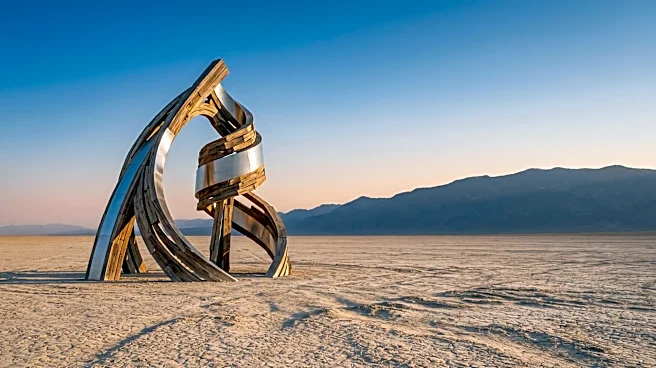
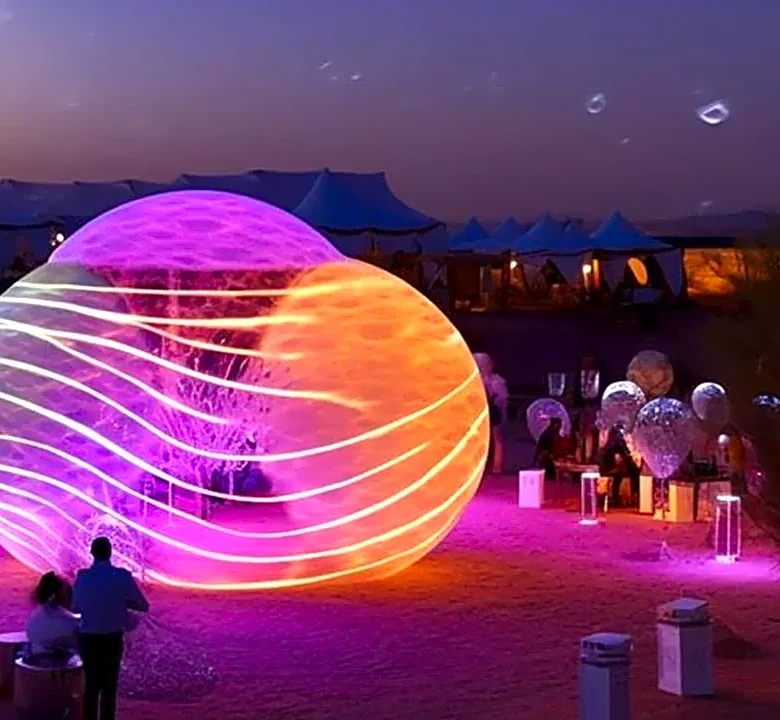
As sunset paints the sky, Black Rock City awakens for its main event: the night. The cooler air is one reason, but the primary driver is the art itself. Many of the large-scale installations are designed to be experienced in the dark. A practical rule requires artists to illuminate their work for safety, but this has evolved into a key artistic medium. Lasers, LEDs, and fire art transform sculptures that seemed static during the day into dynamic, breathtaking spectacles. This is the time for “night rides,” when thousands of participants bike into the deep playa to explore the glowing landscape. Fantastical “mutant vehicles,” or art cars, roam the desert, blasting music and offering transport. The darkness erases the horizon, making the illuminated art feel like a galaxy of interactive experiences on an endless plain.
The Saturday Climax: The Man Burn
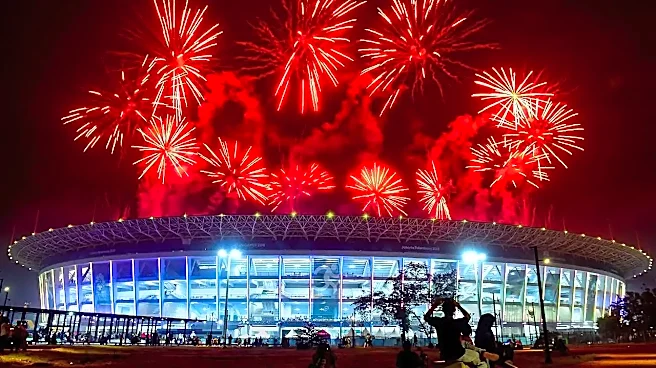
The entire week builds toward the burning of the Man on Saturday night. Its timing is both practical and symbolic. Placing the burn on Saturday allows for a massive, city-wide celebration—a cathartic release of the energy built up over the week. The event is a wild party, complete with fireworks and fire dancers, culminating in the fall of the massive effigy. Scheduling it on the event's second-to-last night gives participants a full, final night to celebrate together before the focus shifts to packing and heading home. The Man's burn represents impermanence but also renewal, as a new Man will rise the following year.
The Sunday Cooldown: The Temple Burn
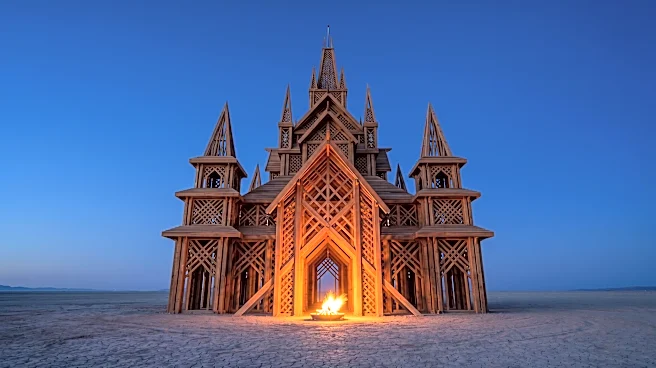
If the Man burn is a party, the Temple burn on Sunday night is its quiet, reflective counterpoint. The mood is completely different. Where Saturday was loud and raucous, Sunday is silent and solemn. Throughout the week, participants write messages and leave mementos inside the Temple, honoring lost loved ones, letting go of grief, or marking personal transformations. The Sunday burn is a communal act of cleansing and release. Its timing provides a crucial emotional bookend to the event. It occurs on the final night, offering a sense of closure before the mass exodus on Monday. It’s a shared moment of mourning and peace that, for many attendees, is the most profound experience of the entire event.