






Lore as Personal Stakes
The cardinal sin of exposition is telling the audience something the characters already know, just for our benefit. House of the Dragon’s writers seem to have this rule tattooed on their brains. The show’s most significant piece of lore—Aegon the Conqueror’s
dream of the White Walkers, a prophecy of “A Song of Ice and Fire”—isn’t delivered in a dusty library. It’s whispered from a dying king to his chosen heir. For King Viserys, this isn’t just history; it's a sacred, crushing burden that dictates his entire reign. When he shares it with Rhaenyra, the lore becomes the weight of the crown itself, passed from one generation to the next. The information isn't for us, the audience. It’s for her. The prophecy re-contextualizes the entire struggle for the Iron Throne, transforming it from a simple power grab into a desperate mission to keep the realm united against a future, unseen enemy. The lore has stakes. It’s the source of Viserys's most catastrophic decisions and the foundation of Rhaenyra's claim.
Conflict as a History Lesson
Small Council meetings in King's Landing could easily become a parade of dry political maneuvering. Instead, the show turns them into crucibles where lore is weaponized. Every debate about succession, marriage pacts, or territorial disputes is an argument grounded in precedent, tradition, and history. When the Sea Snake, Corlys Velaryon, fumes about his treatment by the crown, his grievances are rooted in the pride of his ancient house and its contributions to the realm. When Otto Hightower argues against Rhaenyra's claim, he isn't just being a misogynist (though he is); he’s citing the Great Council of 101 AC, a historical event that established the very precedent he hopes to uphold. The audience learns about Westerosi legal and political history not through a narrator, but by watching powerful people use it as a weapon against each other. The lore isn’t background information; it’s the ammunition for the entire conflict. We absorb the rules of their world because the characters are actively fighting over their interpretation.
Setting and Objects as Storytellers
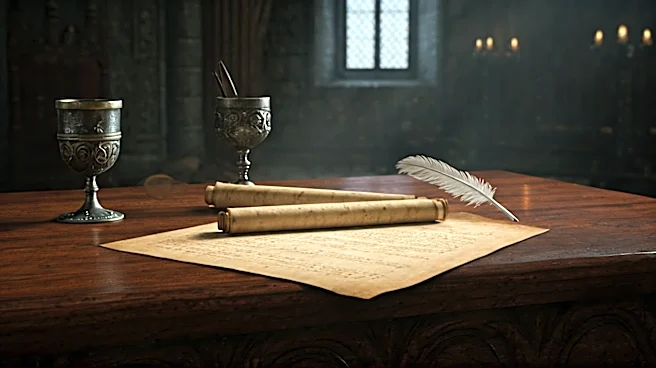
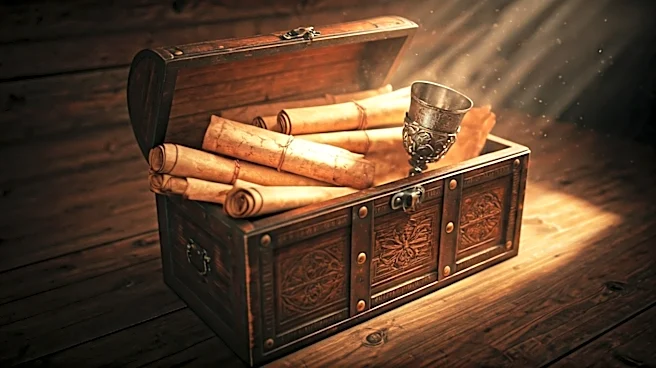
Why have a character drone on about past wars when you can show them standing over a map where those wars were planned? Dragonstone’s Painted Table is a masterclass in this principle. This isn't just a piece of furniture; it’s a physical manifestation of Aegon’s ambition and a living historical document. When Rhaenyra and Daemon strategize around it, they are literally walking in the Conqueror’s footsteps. The camera can linger on the carved coastlines of Dorne or the Northern mountains, reminding us of old grudges and future battlegrounds without a single word. The same goes for the Catspaw dagger. In Viserys’s hand, its Valyrian steel and dragonglass hilt become a tangible link to the prophecy he carries. The dagger isn’t just a cool prop; it’s an artifact loaded with centuries of purpose. By embedding its history in physical objects, the show makes its lore tactile and ever-present, a constant, silent participant in the drama.
The Power of What's Unsaid
Perhaps the show’s boldest move is its trust in the audience. It knows a significant portion of its viewers watched Game of Thrones and respects their intelligence. It doesn't need to stop and explain why the name “Stark” or “Baratheon” carries weight. A quick glimpse of Lord Rickon Stark pledging fealty is enough; his grim, honorable demeanor tells you everything you need to know about the North. The ruins of Harrenhal loom in the background of several scenes, a constant, unspoken reminder of the destructive power of dragons and the fate of houses that defy them. No one needs to deliver a monologue on Aegon’s Conquest when its greatest monument to destruction is right there on screen. By leaving some historical context implied, the show makes the world feel deeper and more real. It creates a sense that there are stories and histories just below the surface, waiting to be discovered rather than being spoon-fed to us.