





1. The Bend Test
A well-constructed shoe should move with your foot, not against it. To check this, hold the shoe with one hand at the heel and the other at the toe, then push them together. The shoe should bend easily at the ball of the foot, which is the natural flex
point for your toes. If it bends in the middle of the arch, it lacks proper midfoot stability and can lead to foot fatigue and pain. A shoe that is too stiff and barely bends at all will fight your natural stride, while one that folds in half lacks the necessary support for all-day wear. This simple test is one of the most important indicators of a shoe's structural integrity.
2. The Twist Test
Beyond simple bending, a quality shoe needs torsional stability. This prevents your foot from rolling excessively. Hold the shoe at the heel and toe again, but this time, try to twist it like you're wringing out a towel. A well-made shoe should offer moderate resistance. If it twists easily with little to no effort, it lacks the structural support needed to keep your foot stable on uneven ground, which can increase the risk of an ankle sprain. On the other hand, a shoe that is completely rigid and won't twist at all may be too restrictive. You're looking for a happy medium that provides a stable platform for your foot.
3. Inspect the Stitching and Seams
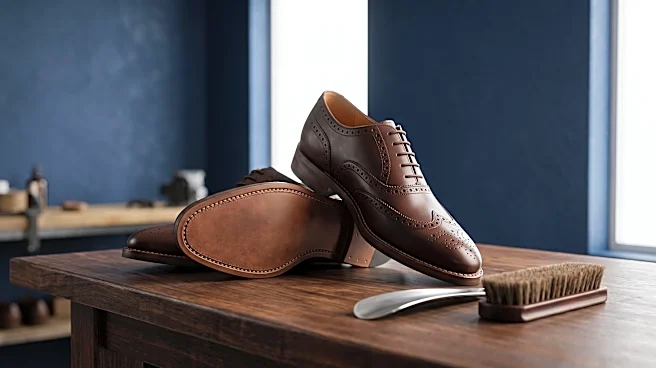
The devil is in the details, and with shoes, that means the stitching. Closely examine the seams where the different parts of the shoe are joined. The stitching should be tight, even, and consistent, with no loose or broken threads. Poor, uneven stitching is a sign of rushed manufacturing and a weak point where the shoe is likely to fall apart. Also, check where the upper part of the shoe meets the sole. On higher-quality dress shoes, you'll often see the sole is stitched on (using methods like a Blake stitch or Goodyear welt) rather than just glued. For sneakers and other casual shoes where glue is common, look for clean lines with no visible, messy adhesive.
4. Evaluate the Material and Lining
The materials used are a primary indicator of quality. For dress shoes, full-grain leather is often considered the top standard because it's durable, breathable, and molds to your foot over time. You can often identify good quality leather by pressing on it; it should create fine wrinkles that disappear when you let go, rather than looking like cracked plastic. Pay attention to the inside, too. A shoe fully lined with leather is a mark of quality, as it improves comfort and breathability. Synthetic linings are common but are less breathable and can signify a lower-cost construction. For athletic shoes, the synthetic materials should still feel robust and well-constructed, not thin or flimsy.
5. Check the Heel Counter and Interior
The heel counter is the small, reinforced cup at the back of the shoe that cradles your heel. Pinch it with your thumb and forefinger. It should be firm and shouldn't collapse easily. A sturdy heel counter provides crucial rearfoot support and stability, preventing your heel from sliding around inside the shoe. After checking the heel, run your hand inside the shoe. Feel for any rough seams, lumps, or bumps, especially in the tongue and toe box area. A quality shoe will feel smooth and seamless on the inside, preventing potential blisters and irritation. Also, check if the insole is removable, which is a plus if you plan to use custom orthotics.