

An Origin Story With a Mission
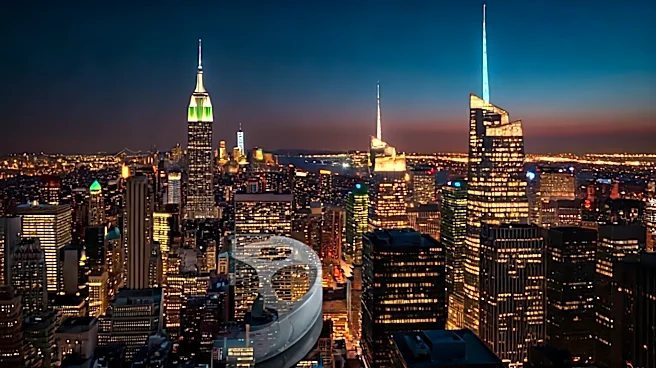
To understand Tribeca, you have to go back to its founding in 2002. In the wake of the September 11th attacks, Robert De Niro, Jane Rosenthal, and Craig Hatkoff launched the festival with a clear civic mission: to revitalize Lower Manhattan. While film
was the vehicle, the engine was community and economic recovery. This foundational DNA—the idea that the festival served a purpose beyond just screening movies—is crucial. Unlike Cannes or Sundance, which grew from cinephile roots, Tribeca was, from day one, an exercise in cultural placemaking. It wasn't just about celebrating art; it was about using art to heal and rebuild a neighborhood. This mission-driven approach gave it the flexibility to define “culture” on its own terms, setting the stage for future expansion.
Following the Stories Beyond Film
For its first decade, Tribeca was a respected, if not top-tier, film festival. The turning point came when its organizers recognized a fundamental shift in entertainment: the best stories were no longer confined to the big screen. The “Golden Age of Television” was dawning, and prestige TV was commanding the cultural conversation. Instead of ignoring it, Tribeca leaned in. It began programming television premieres, treating series like cinematic events. The festival hosted the world premiere of Hulu’s *The Handmaid's Tale* in 2017, a move that proved prescient and generated enormous buzz. It wasn't just chasing trends; it was validating television as a major artistic medium on par with film, attracting showrunners, actors, and audiences who were increasingly platform-agnostic.
Embracing the New Frontiers of Storytelling
If embracing TV was a smart pivot, the festival’s next moves were genuinely groundbreaking. Tribeca became one of the first major festivals to officially recognize video games as a narrative art form. In 2021, it launched the Tribeca Games Award, celebrating titles for their storytelling, art, and sound design. By curating official selections like *The Last of Us* or works from visionary Hideo Kojima, the festival sent a clear message: a powerful story is a powerful story, whether you watch it, play it, or interact with it. This expansion continued into immersive VR/AR experiences and, more recently, audio storytelling with the inclusion of podcasts. This welcomed a whole new class of creators—game developers, sound designers, and podcast producers—into the fold, making Tribeca a true reflection of 21st-century creative expression.
The Power of the Reunion and the Conversation
A key piece of Tribeca’s pop-culture formula isn't just showcasing the new, but celebrating the iconic. The festival mastered the art of the high-profile reunion and the intimate “Tribeca Talks” conversation. Bringing together the casts and directors of modern classics like *The Godfather*, *Pulp Fiction*, and *Goodfellas* for anniversary screenings and panels created unmissable, one-night-only events that dominated entertainment headlines. These weren't just nostalgic cash-ins; they were masterclasses in filmmaking and cultural history. Pairing these legacy events with candid talks featuring everyone from Taylor Swift and Christopher Nolan to Pharrell Williams and Martin Scorsese solidified Tribeca’s reputation. It became a place where creators don’t just premiere work; they come to reflect on it, discuss their process, and connect with their peers and fans in a setting that feels both prestigious and accessible.