
From Water Cooler to TikTok Feed
Remember when the biggest moments in pop culture happened on one screen, at one time? The next day at school or work, everyone would gather by the water cooler to dissect every detail. The MTV Video Music Awards practically invented that formula in the 80s
and 90s, with iconic, often controversial, performances from stars like Madonna and Nirvana that became instant cultural touchstones. Today, that shared cultural space has splintered into millions of individual feeds on TikTok, Instagram, and X (formerly Twitter). The challenge for the VMAs isn't just to get people to tune in, but to create moments so compelling they slice through the digital noise. The live broadcast on networks like CBS and MTV is now just the beginning; the real event is the explosion of clips, memes, and hot takes that follows.
The New Playbook: Engineering Virality
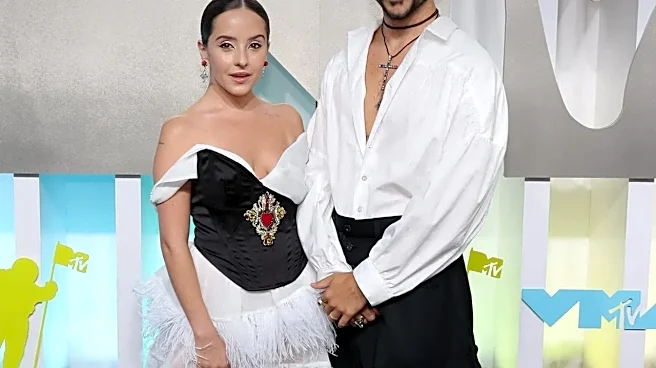
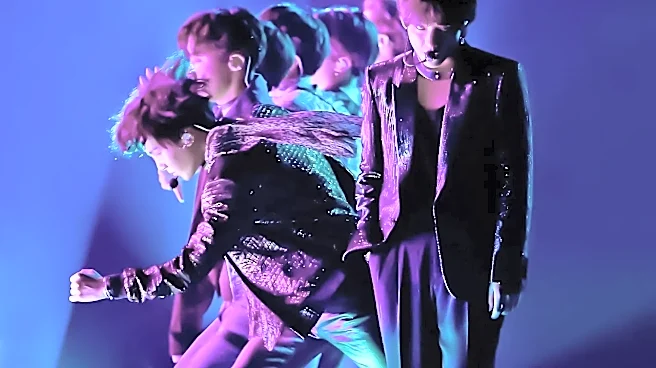
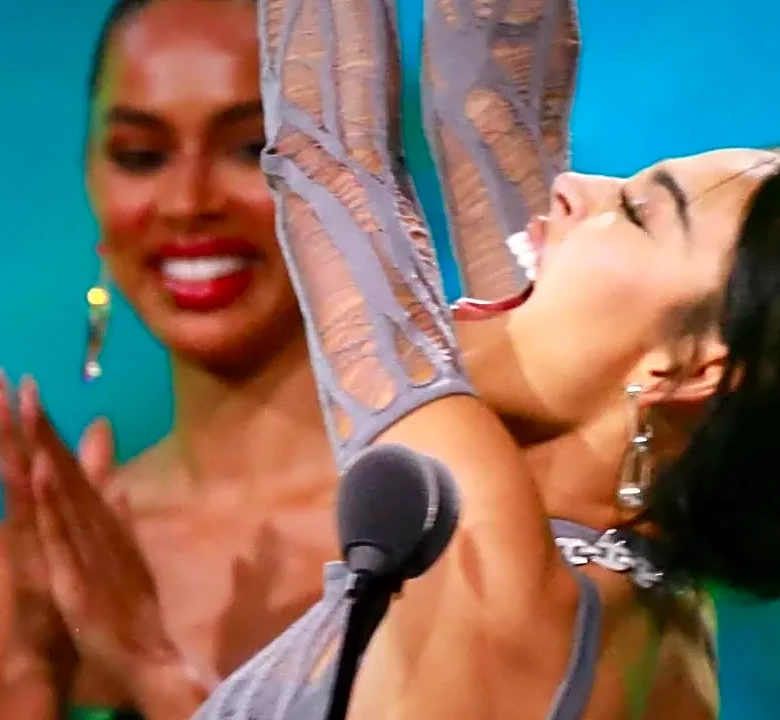
The modern VMA strategy is less about producing a seamless television show and more about engineering chaos designed to go viral. The show is built to be clipped. Every wild fashion choice on the red carpet, every surprise on-stage collaboration, and every provocative performance is a potential six-second clip destined for social media. The goal is to manufacture moments that demand a reaction. Think of Kanye West interrupting Taylor Swift or Beyoncé's pregnancy reveal; these weren't just memorable TV, they were the precursors to today's shareable content. The show's producers know that a single, unpredictable moment can generate more online buzz and cultural relevance than a dozen perfectly polished performances. Success is measured not just in Nielsen ratings, but in trending hashtags and the sheer volume of social media engagement.
The Multi-Screen Battlefield
To win the attention war, the VMAs have to be everywhere at once. This means a multi-platform broadcast that includes traditional television, streaming on Paramount+, and a constant stream of exclusive content pushed to social media. Before the main show even begins, MTV leverages platforms like Instagram and its own website for fan voting, sometimes with interactive elements like "Power Hours" to drive engagement. During the show, the strategy is about creating a two-screen experience. While you watch the main event on TV, you might see a different, exclusive angle on TikTok, backstage interviews on Instagram Live, or real-time polls on X. This approach acknowledges that the audience isn't just passively watching; they are actively participating, and the brand that facilitates that participation wins their attention.
Redefining the Win
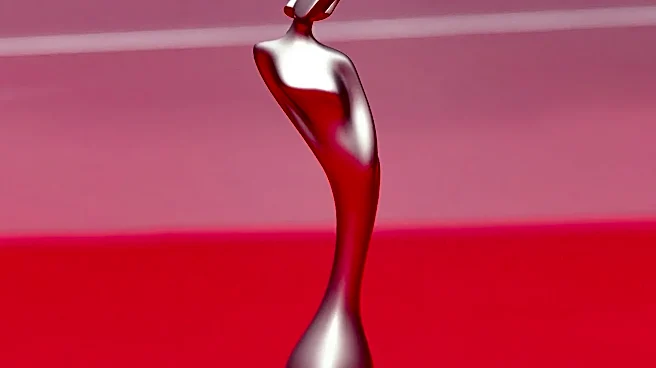
While traditional TV viewership for awards shows has declined across the board, the VMAs are proving that other metrics might matter more in 2026. The 2025 show, for instance, saw a significant increase in viewership by moving to CBS but, more importantly, generated a billion video views and over 81 million engagements across social platforms. Analysts now use data from Spotify, YouTube, and TikTok to predict winners, showing how deeply intertwined the show is with digital performance. When an artist like CORTIS can be a frontrunner for Best New Artist based on a massive following across Instagram and TikTok, it's clear the definition of a music star has changed. The VMAs' success, therefore, isn't just about who takes home a "Moon Person" trophy. The real win is cementing its place as a powerful engine for cultural conversation, ensuring that even if you don't watch the show, you can't escape it online.