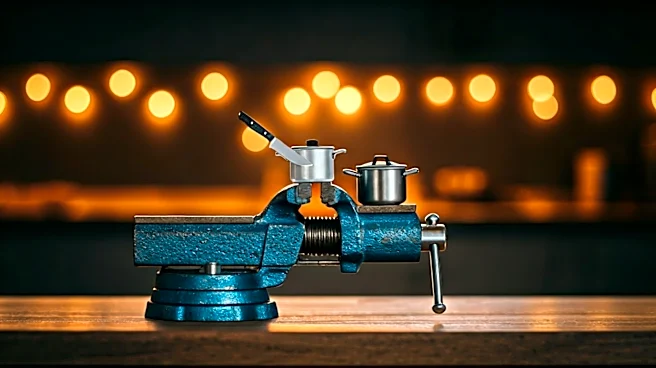







The Show’s DNA is Pressure
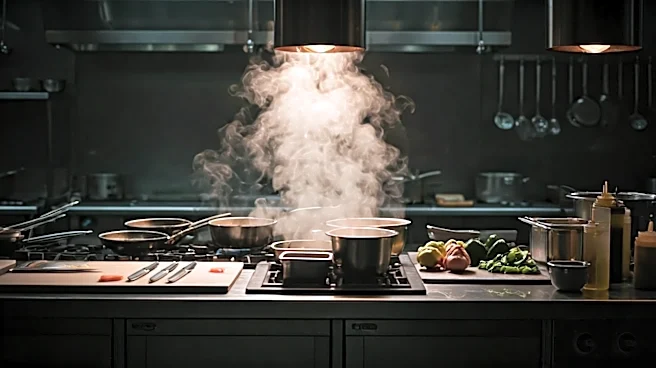
From its opening moments, The Bear has been a story about pressure. It’s the financial pressure of a failing restaurant, the emotional pressure of unprocessed grief, and the professional pressure of fine dining ambition crammed into a Chicago sandwich
shop. Carmy, Sydney, and Richie are characters defined by the impossible standards they set for themselves and the ghosts they’re constantly trying to outrun. Whether it's a walk-in freezer door that won't close or a brutal family dinner, the show finds drama not in external cartoon villains but in internal chaos and the frantic, desperate need to make things work against all odds. This relentless tension is the secret ingredient. The restaurant is a pressure cooker for their trauma and dreams, and every victory feels fragile, earned at a significant personal cost.
Art vs. Commerce: The Next Frontier
After seasons spent battling debt, dysfunction, and self-sabotage, The Bear, the restaurant, is finally a reality. They’ve achieved the impossible. So, what’s next? The natural escalation isn’t another kitchen fire or a fistfight; it's the cold, hard reality of business. Enter the investors. We’ve already seen hints of this with Uncle Jimmy’s nervous oversight, but a hypothetical Season 5 could elevate this conflict from a background worry to the central plot. This isn't just about paying back a loan; it's about the soul of the restaurant. Investors bring expectations, spreadsheets, and a focus on the bottom line that is often completely at odds with the chaotic, artistic pursuit of culinary perfection that drives Carmy and Syd. The conflict becomes a classic one: art versus commerce.
A Villain in a Suit, Not a Monster
The genius of making investor pressure the new antagonist is that it doesn’t have to be a mustache-twirling villain demanding they sell out. The most terrifying version is a reasonable, well-intentioned investor who simply wants to see a return. This figure isn’t evil; they’re practical. They’d question the cost of high-end ingredients, the staffing levels, and the time spent on a dish that only breaks even. In doing so, they become a mirror. Their demands for efficiency and profitability would echo the very same self-doubts and pressures the chefs already place on themselves. The 'villain' becomes the voice of reason that Carmy has been fighting his entire career—the voice that says his artistic drive is unsustainable. This makes the conflict deeply personal and, for anyone who has ever had to justify their passion to a pragmatist, incredibly relatable.
How It Would Test Every Character
This new pressure would fracture the team along predictable and dramatically compelling lines. Sydney, who has already experienced the failure of her own business, might be more inclined to listen to the investors' practical concerns, creating a rift with Carmy. Carmy, whose entire identity is tied to uncompromising excellence, would see any concession as a repeat of his past failures and a betrayal of his late brother. Richie, now fully bought into the gospel of service and experience, would fight against any change that cheapens the diner's visit. Sugar, forever the pragmatist, would be caught in the middle, trying to keep the peace and the lights on. The beauty of this scenario is that no one would be entirely wrong. It transforms the kitchen's unified battle against the world into a fractured, internal struggle over its very soul, forcing each character to decide what 'success' really means to them.