
The Hyper-Local Shout-Out
This is Stagecraft 101, but it’s crucial at a festival with a strong local identity like ACL. Shouting “What’s up, Austin?!” is the bare minimum. The artists who truly connect go a level deeper. They’ll mention a favorite taco spot, give a nod to a local band
they love, or tell a quick story about a previous gig at Emo’s or Stubb's. It’s a simple gesture that says, “I’m not just passing through; I see you.” This creates an instant bond and makes the massive audience feel like a unified home team. That little bit of conversational effort transforms a generic festival set into a performance that feels unique to the time and place.
The Unexpected Cover Song
Die-hard fans came to hear the deep cuts, but the majority of a festival crowd is comprised of casual listeners. Dropping a well-known cover song is the ultimate olive branch. It’s an invitation for everyone to join the party. The key is choosing the right one—not just a current radio hit, but a universally beloved classic that transcends genre. When a punk band plays a Johnny Cash song or an indie darling tackles a 90s R&B classic, it creates a moment of collective joy. It’s a shared language that pulls in people who were just walking by, giving them a familiar anchor in an otherwise new setlist.
Make the Crowd the Co-Star
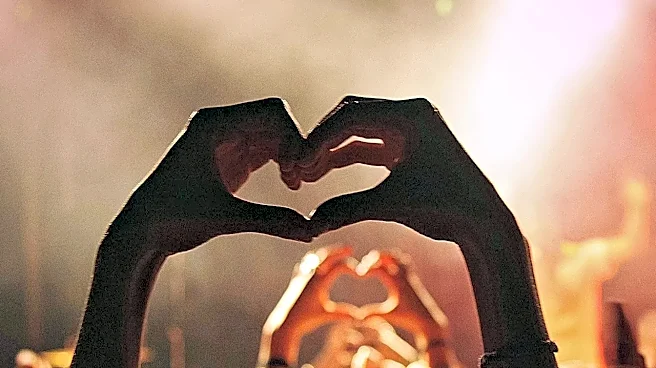
Great performers understand that an audience wants to participate, not just observe. They actively break the fourth wall. This can be as simple as a call-and-response or teaching the crowd a simple harmony. Studies on live music show that when people in a crowd sing or move in unison, it increases their sense of connection and enjoyment. It’s a phenomenon called “collective effervescence.” An artist who can successfully orchestrate this, turning tens of thousands of individuals into a temporary choir, creates one of the most powerful and memorable moments of the entire festival.
The Art of the Visual Moment
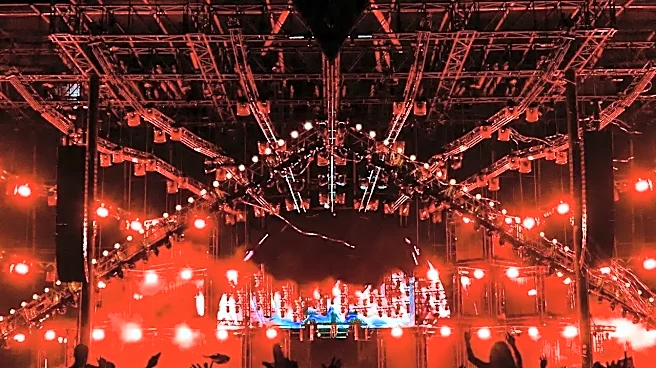
At a huge festival, most people are watching from a distance, where subtle musical nuances can get lost. A strong visual identity is essential. This isn't just about expensive light shows or pyrotechnics, though those help. It can be a signature dance move, a dramatic costume, or a coordinated action by the whole band. Think about an artist who uses the entire stage, running from one end to the other, or one who climbs onto the drum kit for a solo. These actions are designed to be seen from the back of the field, creating an energetic and unforgettable spectacle that translates even without perfect sound.
The Intimate Storytime
In the middle of a high-energy set, the bravest move an artist can make is to quiet things down. Telling a brief, genuine story behind a song provides a crucial change of pace and forges a personal connection. It gives the audience a reason to care about the music on a deeper level. Hearing the “who, what, where, and why” of a song makes it more than just background noise; it becomes a shared experience. This moment of vulnerability, of speaking directly to the crowd, can make a massive field feel like an intimate club, drawing everyone in closer. It's a risk, but when it works, it's often what people talk about long after the festival ends.
Leaving the Stage Behind
The stage creates a physical and psychological barrier between the artist and the audience. The most electrifying performers find ways to break it. This could mean stepping down to the barricade to sing directly to the front row, or even venturing into the crowd itself. While crowd-surfing might be a rock-and-roll cliché, the impulse behind it is powerful: to erase the distance and become one with the audience. It’s a high-risk, high-reward move that generates immense energy and proves the performance is a living, breathing thing, not just a pre-rehearsed show.