






The Master Plan: A Tour Is a Jigsaw Puzzle
Long before a single ticket is sold, a major artist's tour is a massive logistical operation in the making. For stadium and arena acts, planning begins 18 to 24 months out. Booking agents place holds on venues, routing is meticulously planned to avoid
inefficient cross-country trips, and a traveling city of crew, equipment, and staging is organized. A festival booking has to slot perfectly into this pre-existing schedule. If a festival in Chicago falls between established tour dates in Texas and California, the geographic and financial logic simply doesn't work. The tour is the anchor, and festivals are often secondary priorities that must fit into the plan, not the other way around. This planning horizon means decisions are locked in long before lineups are even rumored.
The Money: Production vs. Payday
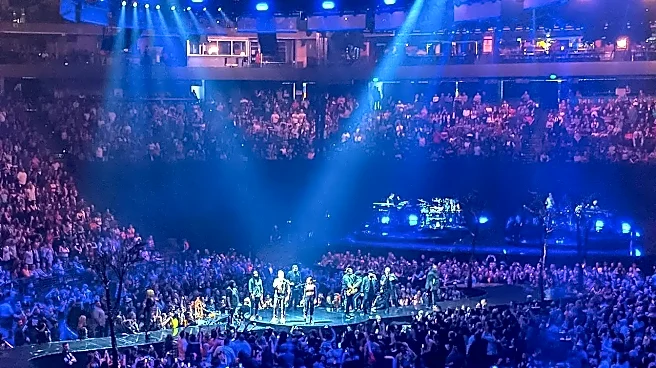
An artist's solo tour is their show. They control the production, the ticket prices, and the revenue streams. A modern stadium tour involves a custom-built stage, elaborate lighting, and massive video screens that can require dozens of trucks to transport. Setting all of that up for a single festival performance is often financially and logistically impossible. While festivals pay artists a guaranteed flat fee, which is less risky than relying on ticket sales, it might not be enough to justify the cost of moving a massive production for a one-off date. Furthermore, the artist might have to use a standardized festival stage and a shorter set time, which can feel like a compromised version of their own show. For the biggest stars, the money they make from their own stadium tours often dwarfs what a festival can offer.
The Rules: Understanding the Radius Clause
One of the most significant but least understood factors is the “radius clause.” This is a standard part of a festival contract that prevents an artist from playing any other shows within a specific geographic area for a set period before and after the festival. For example, a contract for a major festival might forbid an artist from performing within a 300-mile radius for 90 days before and 30 days after the event. The goal is to protect the festival's ticket sales by ensuring exclusivity. For a major festival like Coachella, these clauses can be incredibly broad, sometimes restricting performances in multiple states for several months. This means if a band wants to play a string of their own headlining shows in a region, accepting a single festival date there could make that entire leg of their tour contractually impossible.
The Wildcard: Exclusivity and Special Events
Sometimes, the value of a festival appearance isn't just the fee; it's the prestige. Headlining a world-renowned festival carries significant cultural weight and can introduce an artist to a new audience. To secure a huge, in-demand headliner, a festival might negotiate for a North American or even global exclusivity deal for that year. This makes the performance a unique, can't-miss event, but it also means the artist won't be appearing on any other lineups. Other times, a festival slot serves a specific purpose, like a major comeback performance or the launch of a new album. In these cases, the festival show is a carefully orchestrated moment that is intentionally separate from a standard tour schedule. For smaller artists, a festival can be more about exposure than profit, offering a chance to win over thousands of new fans who might buy tickets to their own shows later.