




Ever try on a jacket that looks sharp on the hanger but feels like a straitjacket when you move? Or one that makes you look wider than you are? The secret culprit is often a tiny, overlooked detail: the depth of the armhole.
The Comfort and Movement Paradox
You would think a bigger, lower
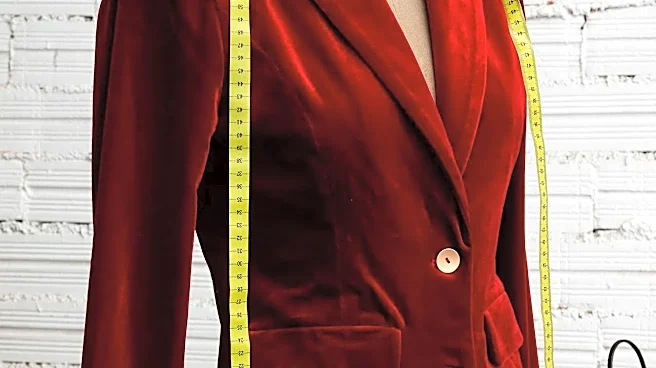
armhole offers more room and therefore more comfort. It’s a logical assumption, but in the world of tailored jackets, the opposite is true. The key to a comfortable jacket that moves with you is a high armhole, one that sits closely to your actual armpit. Think of your shoulder as a hinge. When the armhole is cut high, your arm can swing from its natural pivot point without disturbing the rest of the jacket. You can reach for a book on a high shelf, hail a cab, or give a high-five, and the jacket’s body will largely stay put. A low armhole, however, connects the sleeve much further down the torso. When you lift your arm, there's a web of fabric between your armpit and the seam, which causes the entire side of the jacket to lift with your arm. This action pulls the lapels apart, creates tension across the chest, and makes you feel restricted, all while looking awkward.
The Illusion of Width
Beyond comfort, the armhole plays a powerful role in shaping your silhouette. A low, large armhole creates excess fabric under the arm and around the upper chest. This adds visual bulk and disrupts the clean lines of the torso, making the wearer appear wider and sloppier. This 'batwing' effect, as some tailors call it, breaks the V-shape that a good jacket is supposed to create from the shoulders down to the waist. In contrast, a high armhole allows for a closer, neater fit through the chest and a narrower sleeve. This eliminates the baggy fabric, creating a sharp, streamlined look that follows the natural contours of your body. It helps lengthen your silhouette, making you appear taller and slimmer. This is a subtle but powerful visual trick that is a hallmark of high-quality tailoring.
Why Low Armholes Are So Common
If high armholes are so superior, why are the low-cut versions so common in off-the-rack clothing? The answer is simple: economics and mass production. Ready-to-wear manufacturers need to fit the widest possible range of body types with a limited number of patterns. A larger, lower armhole is a one-size-fits-most solution. It will accommodate men with different arm sizes and shoulder postures, even if the fit is compromised for everyone. It's a safer bet for a company that wants to sell as many units as possible. High armholes, on the other hand, require more precise construction and a closer match to the wearer's anatomy. This is why they are a signature feature of bespoke, custom, or higher-end tailored garments where fit is prioritized over mass appeal. The ability to put a jacket on and off with a quick shrug is another reason low armholes became the norm, though it sacrifices comfort for the many hours the jacket is actually worn.
How to Check for a Good Fit
You don't need to be a tailor to spot the difference. When you try on a jacket, pay attention to how it feels under your arm. A well-placed armhole should feel snug but not tight, sitting close to your armpit. Some experts suggest you should be able to fit about two fingers between your armpit and the bottom of the armhole. The real test is to move. Lift your arms forward and to the sides. If the whole jacket body rises significantly and the shoulder pads end up by your ears, the armholes are too low. You should be able to move your arms with a fair degree of independence from the jacket's torso. While a tailor generally cannot change the height of an armhole on a finished jacket, being aware of this detail when you shop is one of the easiest ways to elevate your style and comfort instantly.