



The Slip Dress, Subverted
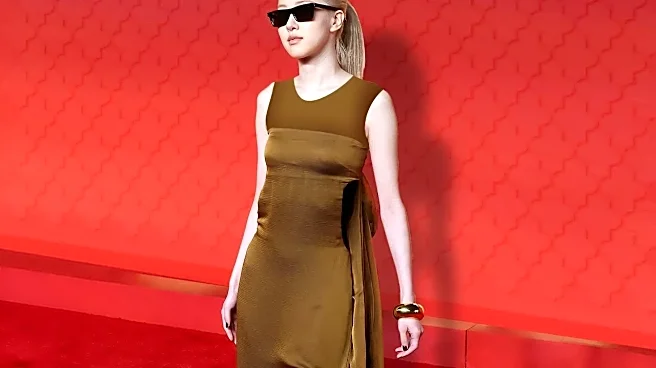
The '90s slip dress is a red carpet staple, beloved for its effortless minimalism. We know it well: a simple, slinky column of silk that speaks of understated cool. But at the 78th Primetime Emmys, we saw this icon completely subverted. Take, for instance,
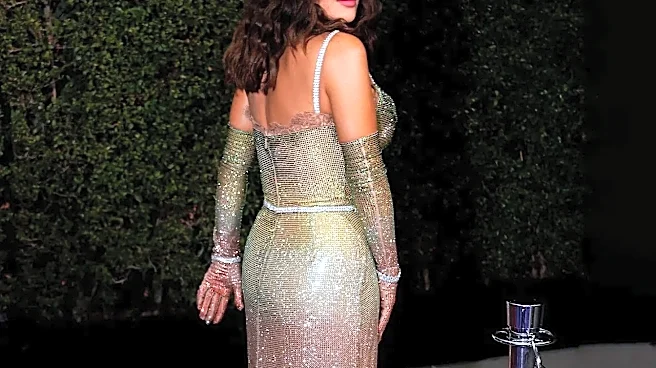
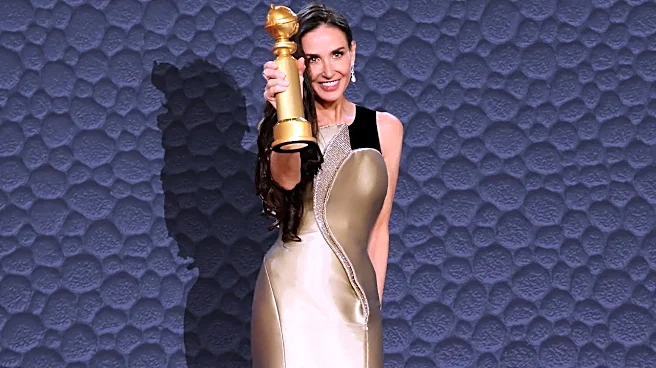
the look from an actress celebrated for her gritty, dramatic roles. She chose a champagne-colored slip dress, a seemingly soft choice. The magic, however, was in the styling. Instead of delicate jewelry, she wore a chunky, architectural silver collar and mismatched cuff bracelets that felt more like sculpture than adornment. Her hair was pulled back into a severe, wet-look chignon, and her makeup was sharp and graphic. The styling transformed the dress from a whisper to a declaration. It was no longer just a nod to the '90s; it was a futuristic statement that referenced her on-screen strength, proving that the simplest canvas can carry the most complex story.
The Not-So-Basic Black Gown
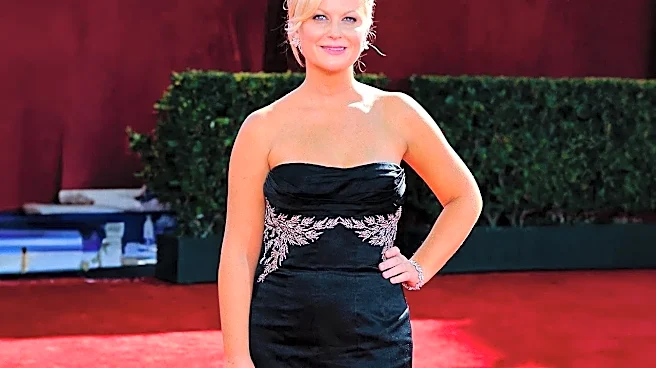
A black gown is the perennial safe bet, the default for timeless elegance. Yet, on this year's carpet, safety was the last thing on anyone's mind. One of the evening's biggest comedy stars, known for her bubbly persona, arrived in what was, at its core, a classic black strapless gown with a gentle mermaid flare. But the execution was anything but basic. The material wasn't satin or crepe; it was a high-gloss, liquid-look fabric that caught the light with every movement, creating an almost futuristic sheen. Instead of a simple updo, she opted for dramatic, old-Hollywood waves, a choice that contrasted beautifully with the modern texture of the dress. The only jewelry was a pair of enormous emerald earrings, their deep green color popping against the stark black. The entire look was a study in contrasts: classic silhouette, modern textile; vintage hair, contemporary feel. It was a powerful rebranding, using the familiar language of the black gown to say something new about her range as a performer.
The Modern Princess Gown
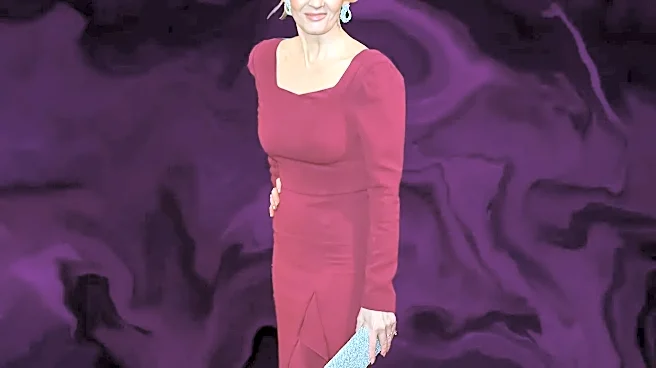
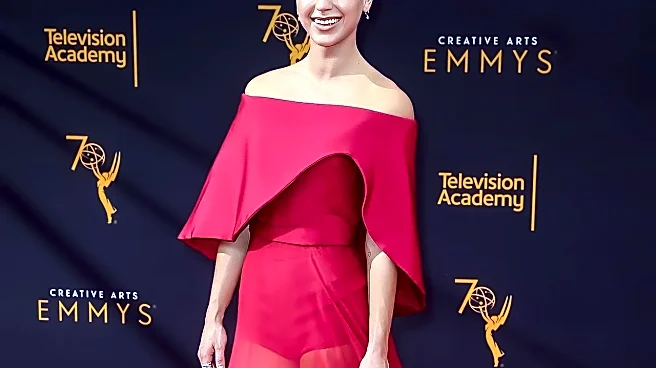
The voluminous ballgown is the stuff of fairy tales, an archetype often reserved for ingenues making their red carpet debut. It speaks of romance, tradition, and a certain sweet naïveté. At the 2026 Emmys, however, the princess gown grew up and got an edge. A young nominee from a breakout sci-fi series wore a massive, cloud-like gown of pale blue tulle, a silhouette reminiscent of Grace Kelly or Zendaya's Valentino moment. But the styling deliberately dismantled the fairy tale. Her hair was cut into a short, sharp bob, and her makeup was minimal, focusing on a strong, dark brow. She wore no necklace, leaving her décolletage bare and vulnerable. Her only accessories were a set of stark, minimalist rings. By stripping away the expected romantic accoutrements, the styling gave the dress a new, almost melancholic power. It became less about being a princess and more about being a complex character, a perfect metaphor for the nuanced roles celebrated in modern television.
The Power of Intentional Storytelling
What these moments from the Emmys red carpet reveal is that the dress itself is only the first sentence of a fashion story. The real narrative unfolds in the styling choices. These thoughtful combinations of hair, makeup, and accessories provide the essential context that can either reinforce a dress's inherent meaning or completely rewrite it. This approach to red carpet dressing reflects a broader shift in how celebrities engage with fashion. It's less about just looking beautiful and more about communicating a point of view, whether that's aligning with a character, signaling a career evolution, or simply playing with expectations. The deliberate use of structured silhouettes and bold color seen across the carpet further underscores this move toward intentionality. In an age of endless content, a simple pretty dress is forgettable. But a familiar dress made unfamiliar through bold styling? That's a story worth telling.