



Before you could summon any horror movie with a click, Halloween viewing was a different beast. It was an event built on scarcity and patience, forged by two analog titans: the annual TV special and the mighty VHS tape. Here's how they did it.
The Age of Appointment Television
For decades,
Halloween entertainment wasn't on-demand; it was an appointment. Families gathered around the television at a specific time, on a specific night, to watch something they likely wouldn't see again for a whole year. The undisputed king of this tradition was 'It's the Great Pumpkin, Charlie Brown'. First airing in 1966, the Peanuts special became an instant autumn institution, capturing a massive 49% of American viewers in its debut. It established a powerful formula: create a family-friendly, slightly spooky event that felt communal. Networks followed suit with specials like 'Halloween Is Grinch Night' and countless themed episodes of popular sitcoms. You couldn't binge-watch; you simply had to wait. This scarcity made the annual broadcast feel significant, cementing these programs in the cultural memory of generations and setting the stage for Halloween to be a major media event.
The VCR: Power in a Plastic Box
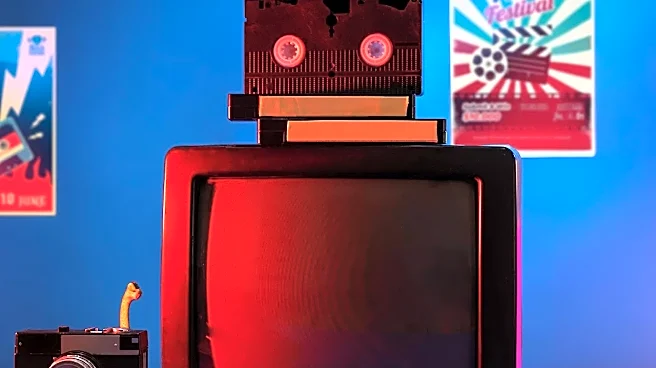
The arrival of the VCR in the late 1970s and early 80s was a revolution in the living room. For the first time, viewers had control. You could record a special like 'The Halloween Tree' or a Disney Sunday Movie premiere right off the air, capturing it on a clunky cassette to be watched again and again. This concept of 'time-shifting' was groundbreaking, freeing audiences from the rigid network schedule. But the real game-changer was the video rental store. Walking into a Blockbuster or a local mom-and-pop shop in October was a treasure hunt. The walls were lined with horror movies, many of which thrived specifically in the direct-to-video market. Suddenly, you weren't limited to what the networks decided to show you. You could bring home 'Halloween', 'The Addams Family', or a dozen low-budget slasher flicks. The power to choose had arrived.
From Rental Ritual to Curated Collection
Renting was a ritual, but owning was a declaration. The ability to purchase VHS tapes meant you could build a personal library. That copy of 'Hocus Pocus' or 'The People Under the Stairs' wasn't a temporary visitor; it was a permanent part of your collection, ready to be deployed every October. This is where the modern marathon truly took shape. With a stack of owned tapes, you became the programmer. You could curate your own Halloween film festival, mixing childhood favorites with genuine horror. The physical nature of VHS tapes—the box art, the satisfying clunk into the VCR—made the collection tangible. It wasn't an abstract playlist in the cloud; it was a physical stack of stories you chose. This act of collecting and curating transformed passive viewing into an active, personalized tradition, one that could be repeated and refined year after year.
The Analog Legacy in a Digital World
Video stores are all but gone, and the VCR is a retro novelty. Streaming platforms now offer a seemingly infinite library at our fingertips, a reality that would have seemed like science fiction in 1985. Yet, the tradition forged in that analog era endures. The idea of a Halloween movie marathon—a dedicated block of time set aside for spooky viewing—is more popular than ever. Channels and streaming services now create month-long programming blocks like 'Monstober', a direct descendant of the themed TV nights of the past. The difference is that the scarcity is gone. While we no longer have to hunt for a lone VHS copy or wait for a specific broadcast date, the fundamental ritual remains. The desire to gather, watch, and share in the seasonal spirit of Halloween movies is a direct legacy of those nights spent watching Charlie Brown and those Friday trips to the video store.