







The Performance Before the Performance
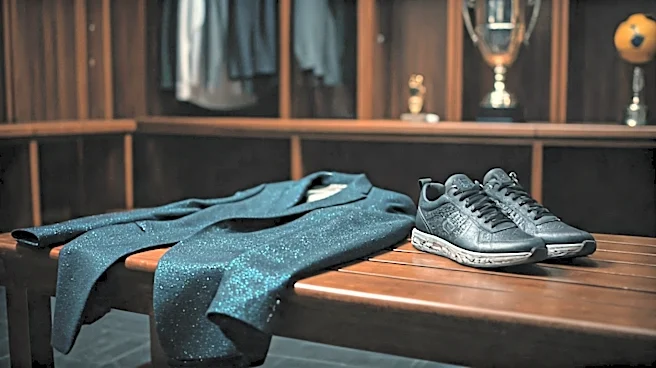
Before the first pitch is thrown or the opening tip-off, another game has already been won or lost: the psychological one. For public figures, particularly athletes, clothing is a powerful tool for 'enclothed cognition'—the idea that what we wear can
systematically influence our thoughts and behaviors. Putting on a sharp, custom-tailored suit for a press conference isn't just about looking good; it's a form of armor. It signals confidence, control, and professionalism, both to the world and, crucially, to the person wearing it. This act of dressing becomes a pre-game ritual, a way to mentally step into the role of 'champion,' 'leader,' or 'poised professional' before ever setting foot in the arena. It’s a deliberate strategy to manage internal anxiety by projecting external calm and competence.
Dressing for the Inner Circle
The first audience is always the most intimate: family, friends, and teammates. For this group, clothing is about identity and respect. A young athlete at the NBA or NFL draft might wear a suit jacket lined with photos of their hometown or a tribute to a beloved family member. This isn't for the cameras as much as it is a grounding mechanism—a reminder of who they are and where they come from amidst the surreal glare of professional sports. It tells their inner circle, 'I haven't forgotten you.' Similarly, within a team, there are often unwritten dress codes that signal unity and shared purpose. Showing up to a team flight or media day in sloppy attire can be seen as a sign of disrespect to the collective, suggesting an individualistic attitude. Dressing the part is an acknowledgment of being a piece of a larger whole.
Decoding the Fan Connection
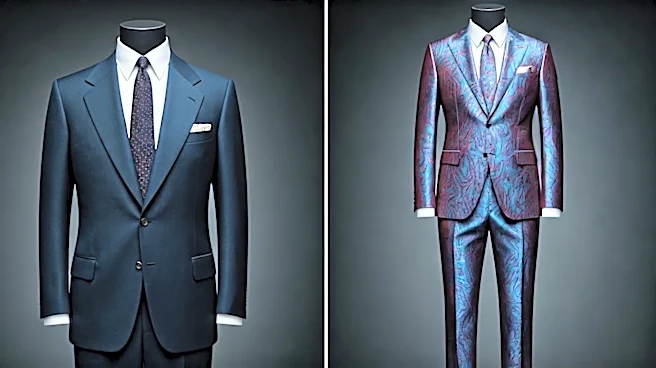
Fans don’t just root for a player’s stats; they invest in their story. Style is a primary way athletes tell that story. A player who consistently wears high-fashion, avant-garde outfits is communicating a creative, risk-taking persona that can attract a dedicated following beyond the sport itself. Think of stars like Russell Westbrook or Serena Williams, whose fashion choices became as much a part of their public identity as their on-court dominance. Conversely, an athlete who favors a more low-key, 'man of the people' style—simple hoodies, classic sneakers—is crafting a narrative of relatability and authenticity. These choices are rarely accidental. They are curated to build a specific brand archetype that resonates with a target demographic, turning casual viewers into loyal fans who buy merchandise and engage with their brand on social media.
The Million-Dollar Wardrobe
The most tangible pressure comes from sponsors, both current and future. An athlete’s image is a billboard, and brands are paying for ad space. A multi-million dollar deal with a luxury watch company or a high-end automotive brand comes with the implicit (and often explicit) expectation that the athlete will embody the brand's values. That means looking polished, successful, and sophisticated at all public appearances. Showing up to an event in a competitor's brand is a cardinal sin, but the pressure is more subtle than that. Athletes and their teams meticulously plan outfits to align with the 'brand safe' image sponsors require. Is it edgy but not controversial? Confident but not arrogant? This tightrope walk dictates everything from the labels they wear to the colors they choose, turning their wardrobe into a critical component of their financial portfolio. Every outfit is, in essence, a pitch for the next endorsement deal.