



The Quest for 'Sabor' in a Digital World
For decades, the goal of studio recording was perfection. Producers polished away every flaw, quantized every drum hit, and auto-tuned every vocal until the result was pristine, powerful, and sometimes, a little sterile. But in genres like salsa, merengue,
and vallenato, the magic isn't in the perfection; it's in the 'sabor'—the flavorful, human swing that comes from musicians playing together, responding to each other in real time. This year's top artists are pushing back against overly digitized production, seeking a sound that feels less like a computer grid and more like a crowded dance floor. The trend isn't about rejecting modern technology, but about using it to capture a feeling of authenticity that resonates with listeners tired of perfectly plastic pop.
Case Study: The Nominees of 2026
Look no further than the nominees for the 2026 Best Tropical Album for proof. The list reads like a masterclass in capturing live energy. You have titans like Romeo Santos with 'Fórmula, Vol. 3 (Live)' and Marc Anthony with 'Pa'llá Voy (Live Version)', who submitted albums that are explicitly concert recordings. These aren't just albums; they are documents of an event, complete with crowd noise and on-stage improvisation. Then there's Carlos Vives, whose nominated album 'Escalona Nunca Se Había Grabado Así' took a different approach. He gathered his band in the studio to record classic compositions as a unit, aiming to capture the organic spirit of the original songs with modern clarity. Even Gilberto Santa Rosa's 'Debut y Segunda Tanda (Deluxe)' includes live arrangements that prioritize the spontaneous feel of a stage performance, demonstrating a clear industry-wide shift.
The Hybrid Technique: Best of Both Worlds
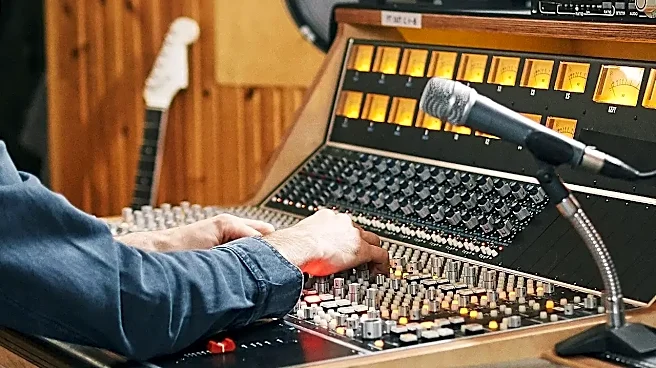
So how are they achieving this? Many are adopting a hybrid model that marries the soul of a live session with the control of studio overdubs. Top producers explain that the process often starts by recording the core rhythm section—piano, bass, congas, and timbales—playing together in one room. They'll do multiple takes until they capture that one perfect, undeniable groove. That live-tracked foundation contains all the essential swing and interplay. From there, the artists can move to a more traditional studio process, overdubbing horns, strings, and vocals with precision. This allows the lead vocalist to deliver a perfect take without worrying about a stray drum sound bleeding into their microphone. The result is an album that has the tight, powerful rhythm of a live band and the clean, detailed polish of a high-end studio product.
From the Stage to Your Headphones
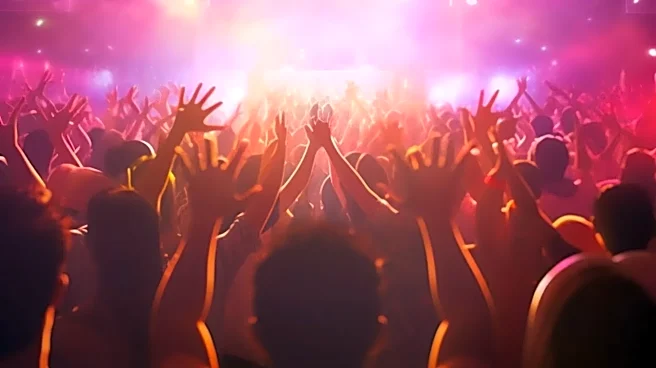
This movement is about more than just sound; it's also a reflection of the music business in 2026. For tropical artists, touring and live performance are the lifeblood of their careers. It's where they connect with their audience and where the music truly comes alive. Creating an album that mirrors the concert experience is a powerful way to give fans a taste of the real thing, whether they're streaming it from halfway across the world or listening in their car on the way to the show. The album becomes a more honest advertisement for the tour, and the tour reinforces the energy of the album. It creates a cohesive artistic identity that feels genuine, bridging the gap between the polished artist on Spotify and the passionate performer on stage.