




From Punk Zine to Brooklyn Cool
Founded by Shane Smith, Suroosh Alvi, and Gavin McInnes, the magazine initially covered Montreal's underground music and art scene. After buying out their original publisher, they rebranded as 'Vice' in 1996. The name was a deliberate nod to sin and bad
habits, signaling a brand built on provocation. By 1999, with an investor's backing, they moved to New York City, setting up shop in Williamsburg, Brooklyn. This move was crucial. It placed them at the epicenter of the burgeoning hipster movement of the early 2000s, a subculture they didn't just cover, but actively helped define and export to the world. Vice became the arbiter of cool, known for its raw photography, irreverent tone, and coverage of topics mainstream media wouldn't touch.
Pivoting to Video and Going Global
While other print publications struggled with the internet, Vice leaned in. The real turning point came in the mid-2000s with their move into online video. Partnering with director Spike Jonze, they launched VBS.tv in 2006, creating documentary-style content that felt more like a gonzo travelogue than traditional news. Series like 'The Vice Guide to Travel' sent correspondents into dangerous and bizarre situations, from North Korean propaganda tours to Liberian conflict zones. This wasn’t just content; it was an identity. It cemented Vice's reputation for immersive, first-person storytelling that resonated deeply with a millennial audience bored by polished network news. This digital success laid the groundwork for a massive global expansion, opening offices in dozens of countries.
The Corporate Embrace and Peak Vice
The brand that was once proudly anti-establishment began to court the establishment in a big way. The 2010s saw a flood of corporate investment. A&E Networks (owned by Disney and Hearst) and 21st Century Fox poured in hundreds of millions. This cash infusion supercharged their ambitions. Vice launched a record label, a film studio, and an in-house creative agency. The culmination of this was the 2016 launch of Viceland, a 24-hour cable channel that took over A&E's H2 network, reaching 70 million homes. At its peak in 2017, after a $450 million investment from private equity firm TPG, Vice Media was valued at a staggering $5.7 billion. It was a true global entertainment platform, producing everything from Emmy-winning HBO news documentaries to shows about food, fashion, and wrestling.
The Inevitable Hangover
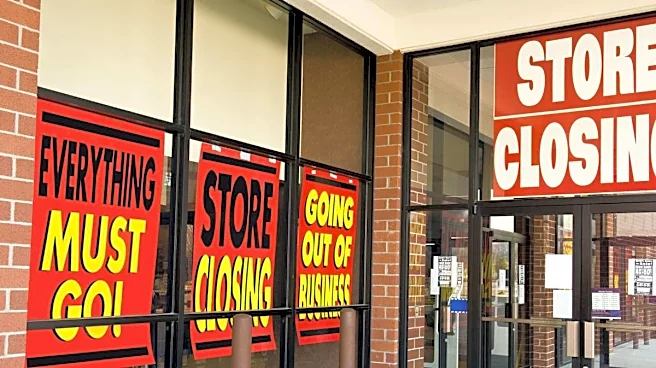
The dizzying ascent couldn't last. The company’s aggressive growth and lavish spending were burning cash at an unsustainable rate. The promise of revolutionizing TV advertising on Viceland never fully materialized, and ratings were low. Simultaneously, reports of a toxic “boys' club” culture and sexual harassment allegations tarnished the brand’s carefully cultivated image. The digital media landscape that Vice helped create had also become ruthlessly competitive. After failing to find a buyer or go public, the inevitable happened: in May 2023, Vice Media filed for Chapter 11 bankruptcy. It was sold for just $225 million to a consortium of its lenders, a fraction of its peak valuation.