







Ever wonder why some monsters look genuinely unsettling while others just look like an actor in a rubber suit? The secret isn't just the monster's shape, but a hidden principle of color theory: undertones in their makeup and costume fabric.
What Exactly Are Undertones?
Before we get
into ghouls and goblins, let's talk basics. Every color has an undertone, which is the subtle, underlying hue that gives it a specific temperature. Think of two white paints at the hardware store; one might look slightly creamy (a warm, yellow undertone) while the other looks crisp and almost bluish (a cool, blue undertone). These undertones—warm, cool, or neutral—are what make colors feel harmonious or discordant when placed next to each other. In everyday life, makeup artists use this to match foundation to skin, ensuring a natural look. But in the world of monster-making, artists use this same knowledge to achieve the exact opposite: a look that is decidedly unnatural.
Crafting Monstrous Skin
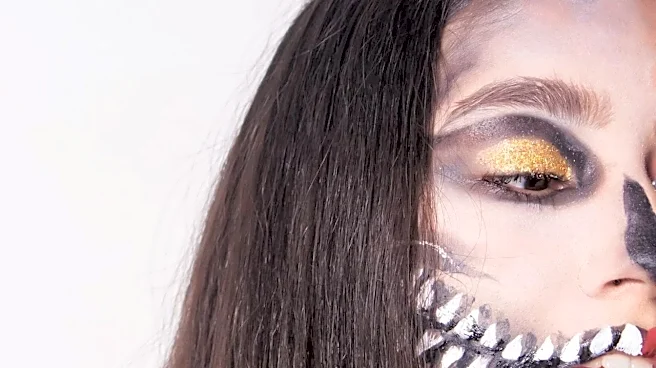
A monster's believability often comes down to its skin. Special effects artists are masters at manipulating undertones to fool our brains. Your mind intuitively knows what healthy human skin looks like, with its complex mix of warm and cool tones. To create a monster, artists disrupt that expectation. For a classic vampire, a makeup artist will use foundations with strong blue or even violet undertones to create a bloodless, eternally cold appearance. For a zombie, they might layer sickly greens and yellows over a greyish-blue base, suggesting decay and rot. Frankenstein's monster is often depicted with a jaundiced, greenish-yellow undertone, which signals to the audience that while the flesh is 'alive,' it isn't 'right.' This purposeful mismatch is what creates that uncanny, skin-crawling effect.
Dressed to Distress
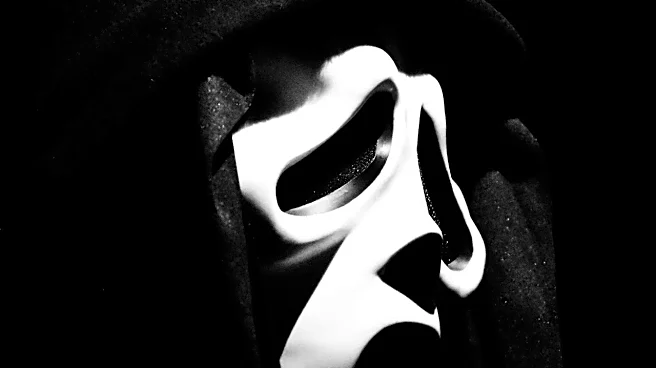
The principle extends directly to the fabrics used for costumes. A costume designer's choices can either support or intentionally clash with the monster's makeup to enhance the story. Consider a classic villain's black cape. A black fabric with a cool, bluish undertone appears starker, more menacing, and almost absorbs light, making the character feel more supernatural and sinister. In contrast, a black with a warm, brownish undertone might feel more earthy, rustic, or ancient. The texture and finish of the fabric also play a huge role; a shiny, metallic fabric will reflect stage light dramatically, while a matte fabric absorbs it, creating a flatter, sometimes more ominous, silhouette. These choices help build the character before they even move or speak.
The Full Unsettling Picture
The true artistry is when makeup and costume work in perfect, unsettling harmony. A creature designer might pair the sallow, yellow-green undertones of an orc's skin with rugged leather armor dyed in warm, rusty-red browns. This creates a cohesive, gritty palette that feels organic to a creature living a harsh life. Conversely, a designer could create dissonance. Imagine a creature with deathly pale, blue-toned skin wearing a costume of vibrant, warm yellow. The clashing undertones would create an immediate sense of unease and visual chaos, making the monster feel unpredictable and dangerous. This is a deliberate technique used to manipulate the audience's emotional response on a subconscious level.