





From the Terraces to TikTok
The journey of the soccer shirt from niche fan apparel to a global fashion statement began decades ago in the United Kingdom. In the late 1970s and 80s, a subculture known as "football casuals" emerged. These fans, traveling across Europe for matches,
discovered and brought back stylish, high-end sportswear brands from Italy and France that were unavailable in the UK. The look was less about overt team colors and more about a sharp, understated style that set them apart. They often avoided replica kits to maintain a low profile. Fast forward to the 2020s, and this same spirit has been repackaged for the internet age under a new name: "blokecore." Coined on TikTok in 2022, the trend draws heavily on 90s British football culture, pairing vintage-style soccer jerseys with baggy jeans and classic sneakers. But unlike the original casuals, this new wave is less about fierce team loyalty and more about the aesthetic itself. It's a nostalgic nod to a specific era of sport and style, now accessible to anyone with an Instagram account.
The Power of Nostalgia and Design
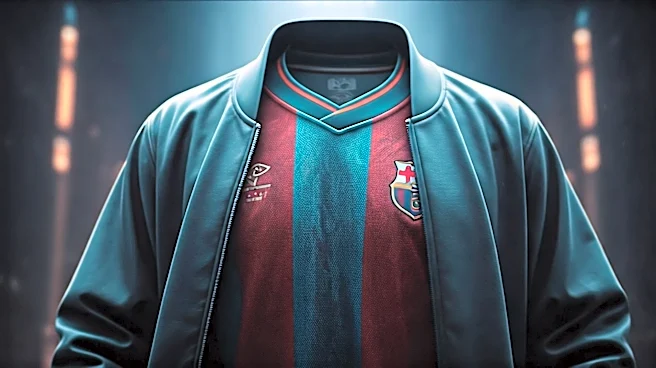
A huge driver of the trend is the appeal of retro designs. The 1990s, in particular, are seen as a golden era for kit design, characterized by bold colors, baggy fits, and memorable graphic patterns. Brands like Adidas, Nike, and Umbro created iconic looks that are now highly sought-after collector's items. These vintage shirts connect with people's memories of legendary players and unforgettable tournament moments, from Brazil's 2002 World Cup magic to Manchester United's 1999 treble-winning season. For many, wearing a retro jersey is a way to own a piece of that history. Recognizing this, sportswear companies are frequently reissuing classic designs or creating new kits with a distinct retro feel, perfectly blending heritage with modern fits. This has created a booming resale market where a shirt that once cost $20 can now fetch hundreds, treated less like sportswear and more like a rare collectible.
Celebrity Co-signs and High-Fashion Crossovers
Nothing catapults a trend into the mainstream faster than a celebrity endorsement. Stars like Rihanna, Kim Kardashian, Bella Hadid, and Timothée Chalamet have all been spotted wearing soccer jerseys, often from teams they have no public connection to. Their influence turns the jersey from a fan item into a must-have fashion piece. This has normalized wearing a soccer shirt purely for its design, color, or vibe, completely divorced from the sport itself. At the same time, high-fashion has embraced the beautiful game. Luxury brands are increasingly partnering with clubs, seeing them as globally visible platforms. Dior designs off-field looks for Paris Saint-Germain, Louis Vuitton collaborates with Real Madrid, and brands like Loewe and Moncler have also entered the space. These partnerships bridge the gap between the runway and the pitch, cementing the soccer jersey's status as a legitimate fashion garment.
More Than a Trend, It's an Identity
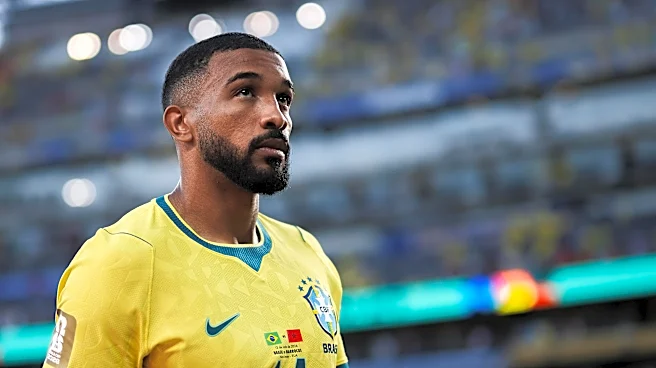
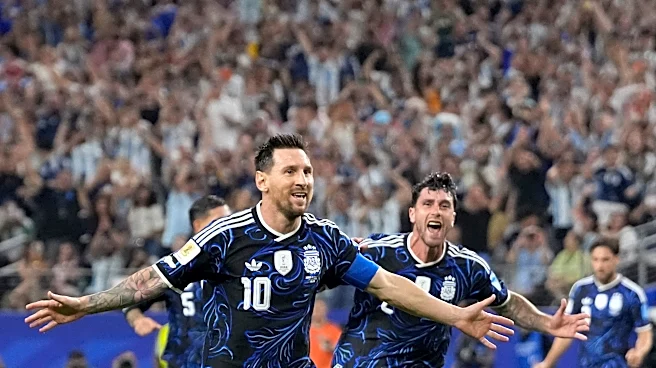
Ultimately, the soccer jersey is a versatile canvas for self-expression. For some, it remains a powerful symbol of national pride, heritage, and community. During a World Cup, wearing your country's colors is a way to feel connected to a global event. For others, it's a subversion of traditional sportswear, styled with skirts, jewelry, or tailored trousers to create a unique look. The rise of the "blokette" trend shows how the aesthetic is being adopted and adapted by women, challenging the idea that sportswear and femininity can't coexist. The shirt can be a simple fashion choice, a nod to a subculture, or a deep expression of identity. It's this multifaceted appeal that gives the soccer jersey its staying power, ensuring it remains a staple long after the final whistle of the tournament blows.