
The Baseline: A $500-Plus Handshake
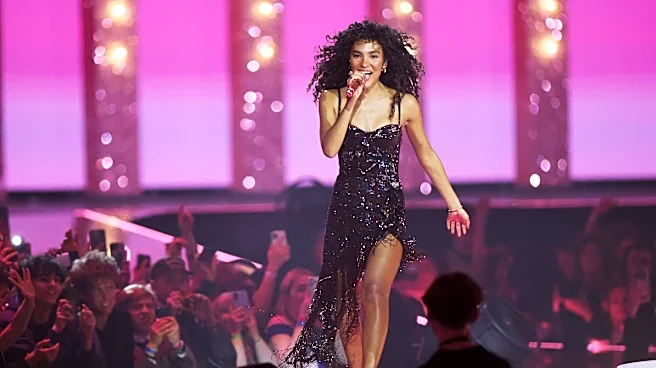
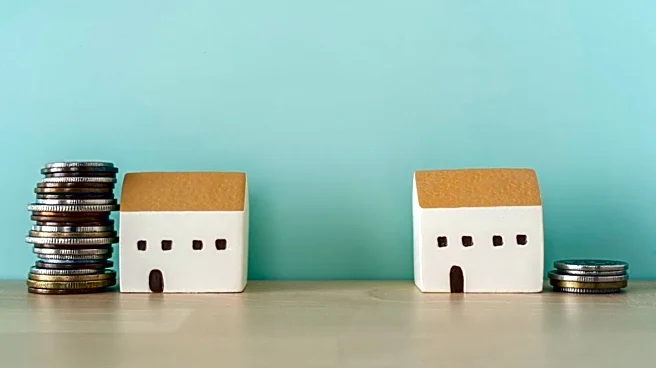
For anyone attending Outside Lands in 2026, the starting point is a hefty investment. A standard 3-Day General Admission ticket starts at $509, granting access to Golden Gate Park to see a lineup featuring major names like Charli XCX, The Strokes, and RÜFUS
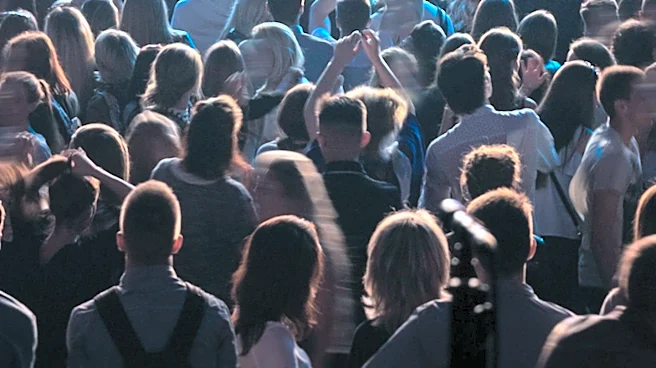
DU SOL. This basic pass buys you the quintessential festival experience: the freedom to roam between stages, access to a sprawling marketplace of food and art, and the right to stand in a massive field with tens of thousands of other people. For many, especially those who remember festivals as simpler, muddier affairs, this price point alone is a conversation starter. It reflects the evolution of music festivals from counter-cultural gatherings into premium, large-scale entertainment productions. The cost covers not just the artists but a massive logistical operation in one of America's most expensive cities.
Gen X and Millennials: Paying for Comfort and Convenience
For older attendees, typically Gen X and well-established Millennials, the definition of "worth it" has shifted dramatically from their younger years. They're no longer interested in roughing it. Instead, they are spending significant money to avoid the very things that once defined the festival experience: the lines, the crowds, and the questionable bathrooms. This is where the tiered ticketing system becomes a generational divider. A 3-Day VIP pass, starting at over $1,200, offers amenities like dedicated entrances, exclusive viewing areas, and upgraded restrooms. For this demographic, value is measured in reduced friction. They are buying back time and energy, ensuring they can see Death Cab for Cutie without battling for a sightline or waiting 30 minutes for a drink. The pinnacle of this comfort-seeking is the Golden Gate Club, a staggering $5,299 pass that includes front-of-stage viewing, all-inclusive gourmet meals, and even golf cart transportation between stages. It’s the festival experience entirely stripped of its traditional hardships, repackaged as a luxury service.
Gen Z: Investing in the Experience Economy
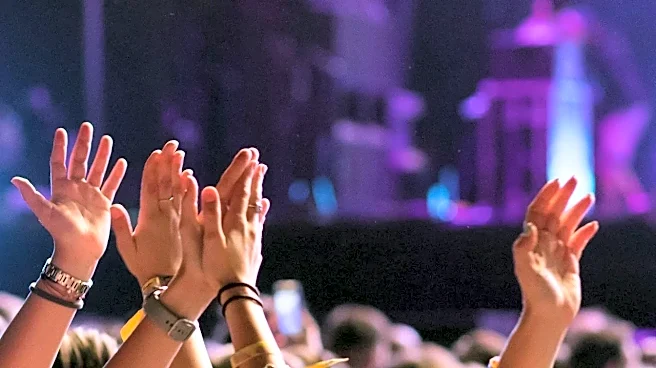
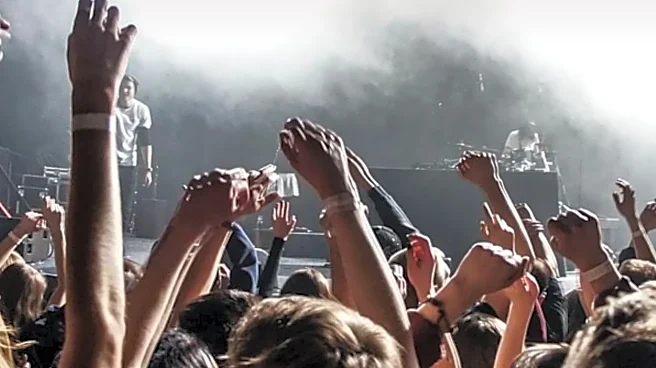
Younger fans, primarily Gen Z, approach the festival with a completely different value system. While still price-conscious, recent data shows they are now outspending Millennials on live music monthly, and their resistance to high ticket costs has softened considerably. For them, the $509 GA ticket isn't just for listening to music; it’s an investment in a weekend of shareable moments. Their version of 'value' is often tied to social and digital currency. Proximity to the stage to see artists like PinkPantheress or Baby Keem isn't just for a better view, but for capturing the perfect video clip. The festival's unique experiences, from the SOMA dance tent to curated art installations, serve as backdrops for content that lives on long after the weekend ends. Anecdotal reports from past festivals frequently mention the high energy of younger crowds, who often prioritize being in the crush of the pit over the relaxed vibe further back. They are willing to endure the physical discomforts of GA because their ROI is measured in memories, social status, and the thrill of being part of a massive, shared event.
A Festival Divided Cannot Stand... Or Can It?
What this split reveals is that Outside Lands, like many modern festivals, is no longer selling a single product. It’s a stratified marketplace of experiences catering to divergent needs. While older fans buy exclusivity and convenience, younger fans purchase access and cultural relevance. Organizers seem to lean into this, offering everything from on-site weddings to vintage clothing markets to ensure every demographic finds its niche. The complaints are predictable: older attendees lament the talkative, sometimes 'demonic' teen crowds, while younger fans might see the high-end VIP areas as exclusionary. Yet, the festival sells out year after year. The model works precisely because it doesn’t force a Gen Xer seeking premium wine and a comfortable chair into the same experience as a Gen Z fan trying to get a selfie near the stage during GloRilla's set. They exist in parallel universes within the same park.