

The Art of Suspense: It's All About the Bomb
The master of suspense, Alfred Hitchcock, famously explained the concept with a simple analogy. Imagine two people talking at a table for five minutes, and then a bomb suddenly explodes. The audience gets a few seconds of shock. That’s surprise. Now,
imagine the same scene, but this time, the audience knows there's a bomb under the table, set to go off in five minutes. Suddenly, that boring conversation becomes riveting. Every trivial word, every glance at a clock, is filled with tension. The audience is no longer a passive observer; they are an active participant, silently screaming, "Get out of there!" That feeling is suspense. It’s a game of information. By giving the audience knowledge that the characters lack, filmmakers create a powerful form of dramatic irony that builds anxiety and engagement. Movies like A Quiet Place, where we know any sound can be deadly, or Jaws, where we spend most of the film waiting for an attack we know is coming, are masterclasses in using suspense to keep you on the edge of your seat without constant action.
The Power of Spectacle: Bigger, Louder, Faster
If suspense is a slow-burn psychological game, spectacle is a full-frontal sensory assault. It’s the "wow" factor. Spectacle is about delivering an experience that is visually and audibly overwhelming in the best possible way. Think of the breathtaking alien landscapes of Avatar, the beautifully chaotic vehicular warfare in Mad Max: Fury Road, or the universe-shattering final battles in any number of superhero films. Spectacle aims to inspire awe, to show you something you didn't think was possible on screen. It relies on cutting-edge special effects, grand set pieces, and immersive sound design to create moments that are memorable for their sheer scale and impact. It’s less about making you think and more about making you feel—exhilarated, amazed, and completely immersed in the world of the film.
Tension vs. Awe: An Unbalanced Scale?
In the modern blockbuster era, it often feels like the scales have tipped heavily in favor of spectacle over suspense. It’s easier, and often more marketable, to promise audiences a firework display of CGI than the quiet, creeping dread of a well-laid plot. Some critics argue that an overreliance on spectacle can lead to hollow films where the story and character development are drowned out by visual noise. When everything is an explosion, nothing feels truly impactful. Suspense, on the other hand, requires patience from both the filmmaker and the audience. It builds tension by slowing things down, letting a moment breathe, and trusting the viewer to invest emotionally in the stakes. While a great action sequence provides a rush, a great suspenseful sequence stays with you, worming its way into your mind long after the credits roll.
The Perfect Blend: When Both Worlds Collide
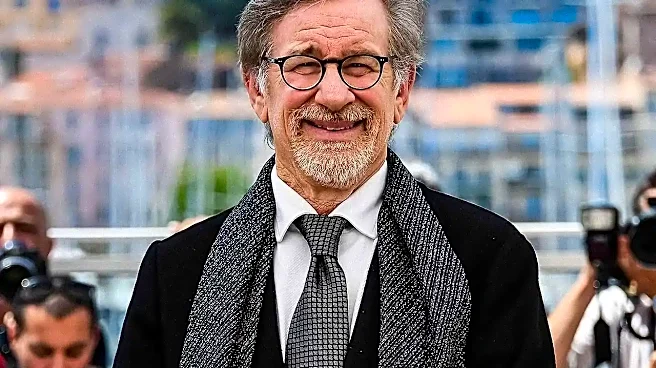
The truly great films, however, understand that suspense and spectacle aren’t mutually exclusive. They are two ingredients that, when combined correctly, create something unforgettable. Consider the kitchen scene in the original Jurassic Park. The spectacle is seeing lifelike velociraptors on screen, a technical marvel at the time. The suspense is watching two children try to silently evade these hyper-intelligent predators in a room full of reflective, clanging steel surfaces. Another masterful example is Steven Spielberg's Minority Report, which expertly blends high-tech spectacle with classic chase-film suspense. Similarly, the zero-gravity hallway fight in Inception is a visual spectacle, but it’s the ticking clock and the life-or-death stakes that infuse it with unbearable suspense. These moments work because the spectacle provides the awe, while the suspense provides the stakes and emotional investment, making the incredible feel immediate and personal.