


The Unspoken Rules of the Enclosure
Before we even talk about style, we have to talk about rules. Royal Ascot, particularly its exclusive Royal Enclosure, operates on a famously strict dress code that has been honed over centuries. For women, dresses must be of a “modest length” (falling
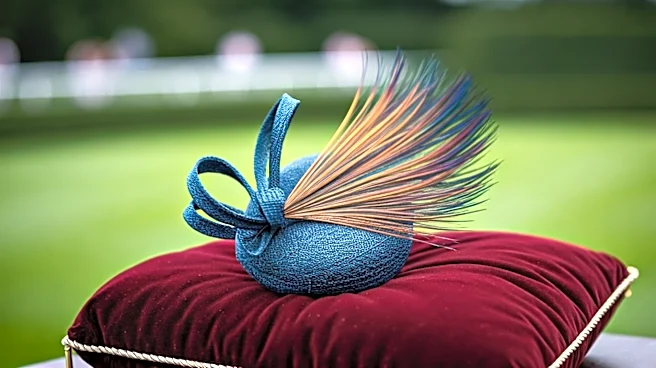
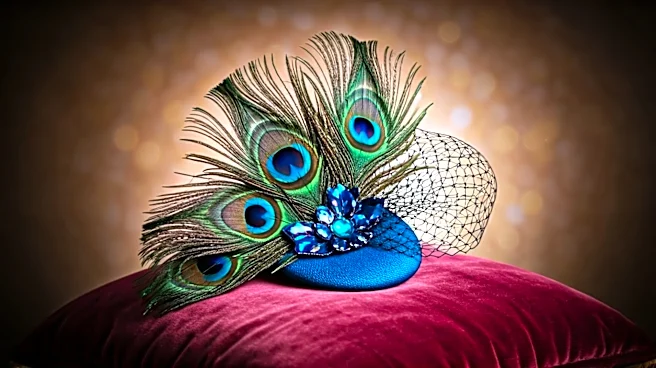
just above the knee or longer), straps must be at least one inch wide, and—most importantly—a hat must be worn. Not a fascinator, which the rulebook clarifies is a headpiece with a base smaller than four inches, but a proper hat. This isn't just fussy gatekeeping; it's the framework that makes the whole sartorial exercise so compelling. By setting clear boundaries, the code forces creativity. It elevates the hat from a mere accessory to the architectural centerpiece of the entire look. The best-dressed don't just follow the rules; they use them as a launchpad for personal expression.
Mastering the Geometry of the Brim
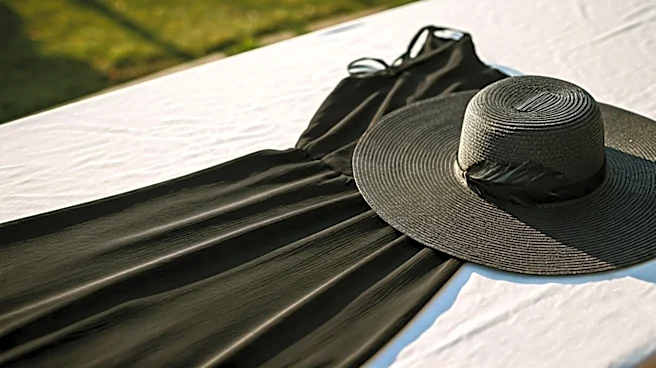
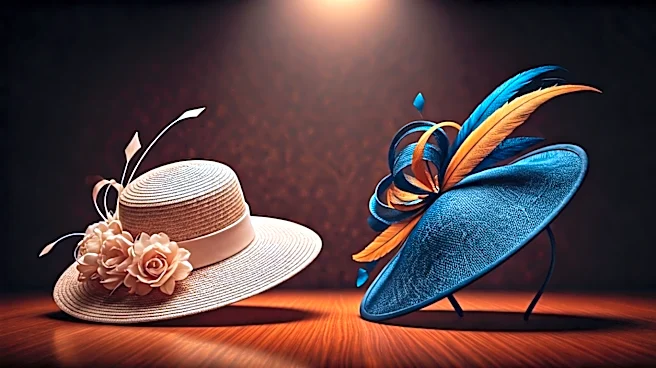
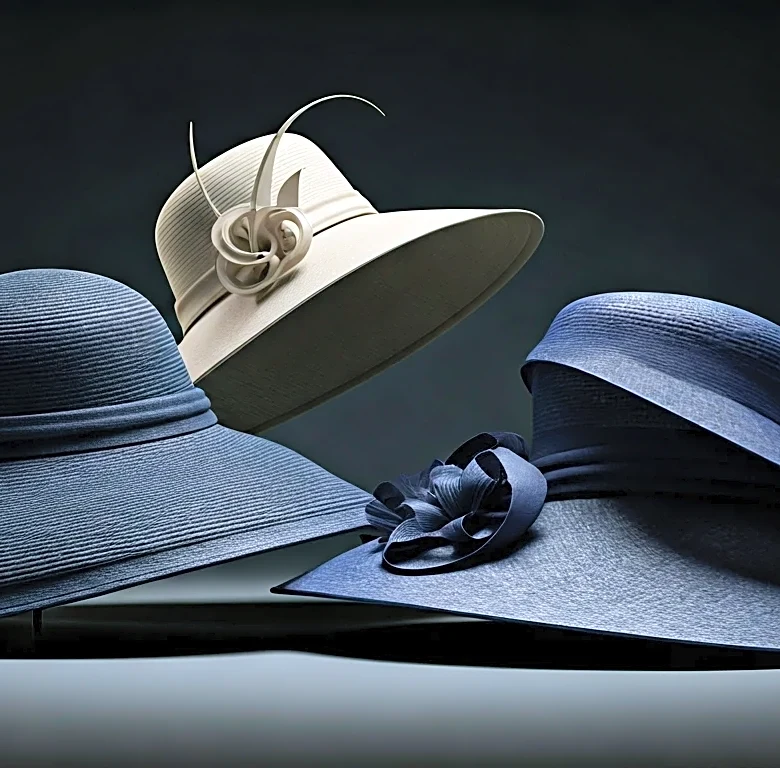
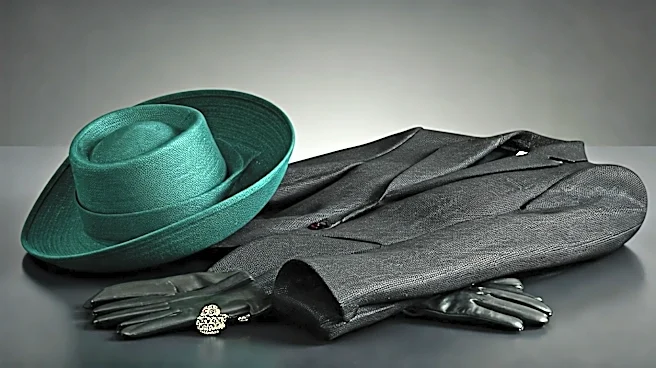
This is where the magic, and the math, comes in. A truly great Ascot outfit isn’t just a pretty dress with a hat plopped on top. It’s a study in proportion, and the brim of the hat is the key variable. A wide, downward-sloping brim casts an enigmatic shadow, perfectly framing the face while complementing a sleek, column-like dress. An upturned disc, angled just so, creates a graphic, almost sculptural silhouette that demands a simple neckline to avoid visual chaos. The ‘geometry’ is about this relationship: how the lines of the hat interact with the wearer's jawline, shoulders, and the overall shape of their outfit. A successful brim balances the entire look. Too small, and it gets lost. Too large and unwieldy, and the wearer disappears under it. The sharpest attendees understand this instinctively. Their hats don't just sit on their heads; they complete a visual equation.
Color Theory from Head to Toe
Once the shape is decided, color becomes the next frontier. The most impactful Ascot ensembles often commit to a single, bold chromatic choice. A head-to-toe look in canary yellow, royal blue, or fuchsia doesn’t just get you noticed; it shows supreme confidence. This monochromatic dressing streamlines the silhouette and allows the texture and form of the hat and dress to take center stage. Alternatively, some of the most sophisticated outfits play with a tight, controlled palette. A cream-colored dress might be paired with a hat that picks up a subtle navy blue from a pattern, with matching shoes and a clutch to tie it all together. This isn't about throwing on everything that matches. It's a deliberate, edited color story where the hat serves as the definitive punctuation mark, either by echoing a theme or providing a single, brilliant point of contrast.
It’s About the Woman, Not Just the Hat
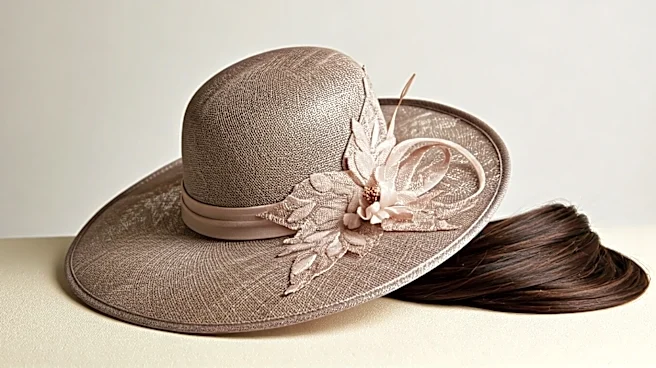
Ultimately, the most breathtaking Ascot looks have an effortless quality, even if they took months to plan. The hat, for all its structural drama, should never overwhelm the person wearing it. The goal is to look elegant, not to be in a costume. The best outfits have a sense of poise and confidence that comes from feeling comfortable in one's choices. You can see it in the posture and the smile of the wearer. The hat frames her face; it doesn't obscure it. The dress allows for graceful movement; it doesn't constrict it. While trend-watchers might spot a prevalence of floral appliqués one year or sharp, angular brims the next, the enduring principle of great Ascot style remains the same: a harmonious balance between the clothes, the hat, and the woman herself.