






An Icon Forged in Laughter
For nearly a decade, Valerie Harper was a fixture in American living rooms. First as the self-deprecating sidekick on “The Mary Tyler Moore Show” and then as the star of her own hit spinoff, “Rhoda,” she created one of television’s most beloved characters.
Rhoda was funny, fashion-forward, and perpetually navigating the chaos of love and life in New York. The role won her four Emmy Awards and cemented her place in pop culture history. Harper became synonymous with Rhoda Morgenstern, a character she played with such warmth and authenticity that many fans felt they knew her personally. But while her sitcom work brought her fame, it also created a public perception that, for all its glory, only scratched the surface of her immense talent.
The Woman of Iron
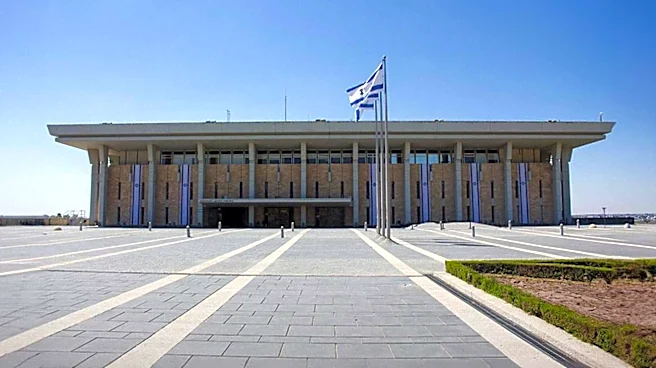
The hidden gem of Harper's career was her tour-de-force performance in the one-woman play “Golda’s Balcony.” Written by William Gibson, the Tony Award-winning playwright behind “The Miracle Worker,” the show chronicles the life of Golda Meir, the formidable fourth Prime Minister of Israel. The play’s central focus is the harrowing Yom Kippur War of 1973, when Meir was forced to confront the potential annihilation of her country. In the 95-minute, intermission-free show, Harper didn't just portray Meir; she embodied her, reliving her triumphs, her sorrows, and the crushing weight of leadership. It was a role that required staggering stamina and emotional depth, a world away from the laugh tracks of network television.
From Sitcom Star to Stateswoman
To become Golda Meir, Harper underwent a significant physical and vocal transformation. She spent nearly an hour each night on makeup, which included a false nose, a wig, and body padding to capture Meir’s grandmotherly yet imposing presence. More impressively, she inhabited dozens of other characters from Meir’s life—all from the stage. With a subtle shift in posture or a change in vocal inflection, Harper became Henry Kissinger, David Ben-Gurion, and even King Abdullah of Jordan. Reviewers lauded her versatility and masterful timing, noting how she seamlessly moved from moments of quiet humor to the palpable tension of a nation on the brink of nuclear war. She captured Meir’s signature dry wit, with lines like, "I can understand why the Arabs want us dead, but do they really expect us to cooperate?" The performance was a stunning display of theatrical prowess that proved her dramatic range was as vast as her comedic timing was sharp.
A Legacy Beyond the Laugh Track
While “Golda’s Balcony” was a critical success during its national tour and was eventually adapted into a film, its audience was a fraction of the tens of millions who tuned in weekly to watch “Rhoda.” For Harper, who was not Jewish, playing Jewish characters like Rhoda paved the way for her to tackle the role of Meir. She told an interviewer she felt a tremendous responsibility to honor the towering historical figure, aiming to make her real and accessible. The role was more than just a job; it was a passion project that connected with her own activism and her belief in human rights. This performance may not be her most famous, but it is arguably her most profound. It stands as a powerful testament to her artistry, revealing a depth and ferocity that her most iconic character only hinted at.