




The Dragon in the Room
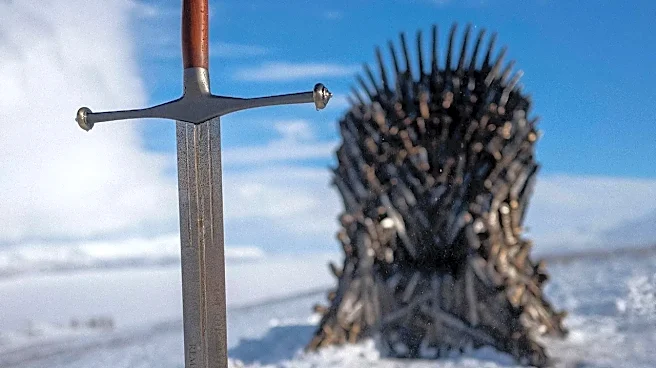
You can't talk about the future of fantasy without acknowledging the past, and the past is filled with dragons. House of the Dragon, which saw its third season premiere in the summer, continues to be a dominant force for HBO. It proves the GoT formula
of political backstabbing, brutal twists, and morally gray characters still has a massive audience. This isn't an escape from the shadow; it's a strategic repositioning within it. For any other show attempting this direct approach—and there will be others—the bar is impossibly high. Success requires not just replicating the violence and intrigue, but deepening the character work and offering a perspective that feels additive, not derivative. It’s the riskiest path, one that invites direct comparison where few can measure up.
The Anti-Thrones Gambit
The most direct way to escape a shadow is to step into the light. This fall sees the return of Prime Video’s The Lord of the Rings: The Rings of Power for its third season, premiering in November. This series represents the genre's other pole: epic, sincere, and fundamentally optimistic. Its focus on the battle between good and evil, stunning vistas, and a more classical high-fantasy tone is a deliberate counter-programming choice. It wagers that audiences are ready for heroes again, not just survivors. This strategy isn’t about rejecting complexity, but about finding it in fellowship and hope rather than nihilism and betrayal. Its success proves there is a huge appetite for fantasy that inspires awe instead of just dread.
Winning By Going Small
Perhaps the most interesting evolution in the genre is the move away from chasing a single, monolithic blockbuster. Not every fantasy show needs to be a global event with a budget rivaling a small nation's GDP. The future may belong to series that embrace a specific niche. Think of it as the boutique fantasy model. A show can thrive by being the best weird-western-with-magic, or the most compelling magical-procedural, or a “cozy fantasy” that prioritizes character relationships over world-ending stakes. By targeting a passionate, built-in audience from a specific book sub-genre or a new, high-concept mashup, these shows can build loyal communities without the pressure of being the “next Game of Thrones.” They succeed by changing the definition of success itself.
The New Face of Adaptation
The era of the one-to-one page-to-screen adaptation is fading. Even House of the Dragon and The Rings of Power make significant changes from their source material to better suit the television medium. This fall’s new contenders will likely push this even further. The playbook now involves using a beloved book series as a strong foundation—a world, a magic system, a core conflict—but feeling free to remix, expand, and reinterpret it for a modern audience. This is a tricky balancing act; it risks alienating hardcore book fans but is necessary to create a dynamic story that can stand on its own. The shows that get this right will feel both familiar and refreshingly new, using the power of a built-in IP as a launchpad, not a straitjacket.
Learning from a Stumble
The genre's evolution is also shaped by its misses. Look at Netflix's The Witcher. After a promising start, the series has seen its final season reportedly pushed back to 2027, following a less-than-enthusiastic reception for its fourth season. It serves as a crucial cautionary tale. A massive IP, a huge star, and a built-in fanbase are not guarantees of success, especially when creative choices and behind-the-scenes drama appear to clash with the spirit of the source material. The lesson for other aspiring fantasy epics is that audiences can feel a lack of coherent vision. Consistency in tone and a clear respect for what made the original property special are paramount.