





It Starts with the Beef
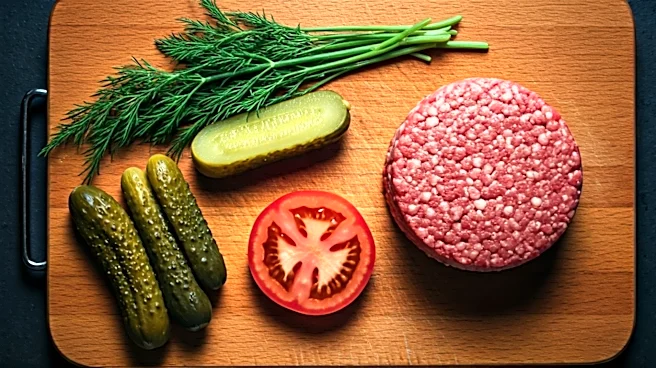
You can’t talk about 'The Bear' without talking about Italian beef. The show’s dramatic crucible, The Original Beef of Chicagoland, is a loving homage to a very real, very specific Chicago institution: the neighborhood beef stand. The show’s creator,
Christopher Storer, grew up with the son of the owner of Mr. Beef on Orleans, the real-life restaurant that served as the primary inspiration and a filming location for the pilot. This isn't a vague, Hollywood-ized version of a diner; it’s a direct nod to a place that represents a certain kind of Chicago eatery—no-frills, chaotic, and deeply woven into the local fabric. The Italian beef sandwich itself is a hyper-regional dish, less famous nationally than a Philly cheesesteak but an obsession locally. By centering the narrative on this specific sandwich, with its specific rituals (wet or dry, sweet or hot), the show immediately grounds itself in a reality that Chicagoans recognize.
Speaking the Local Language
The show's authenticity goes far beyond its central premise. The script is littered with references that act as a secret handshake for anyone familiar with the city. Characters don't just eat pizza; they mention Pequod's, a cult-favorite for its caramelized crust. They don't just grab a hot dog; they visit spots like Superdawg Drive-In. In Season 2, when Sydney embarks on a culinary research tour, she doesn't visit generic fine-dining spots. She goes to real, celebrated Chicago restaurants like Kasama, the world's first Michelin-starred Filipino restaurant, and Avec. These aren't just product placements; they are deliberate choices that build a rich, authentic world. The show’s culinary producer, Courtney Storer, along with a team of local chefs, ensures every detail feels right, from the way a character preps vegetables to the name of the bakery Marcus draws inspiration from (the century-old Roeser's Bakery).
Capturing an Ethos, Not Just a Menu
Perhaps most importantly, 'The Bear' understands that Chicago's food culture isn't just about what's on the plate. It's about the hustle. It’s a city with a deeply ingrained work ethic, and the show captures the punishing, high-pressure reality of kitchen life with a visceral accuracy that has been widely praised by real chefs. The series shows the financial strain, the physical exhaustion, and the emotional turmoil behind every service. This focus on the grit over the glamour feels particularly resonant in a city that prides itself on being a "no-bullshit zone." The tension between Carmy's fine-dining background and the humble realities of The Beef mirrors a real dynamic in the city's food scene, where world-class, Michelin-starred restaurants like Ever (which itself features prominently in Season 2) coexist with beloved, old-school neighborhood joints.
A Love Letter, Not a Travel Guide
Ultimately, 'The Bear' succeeds because it isn't trying to sell Chicago to an outside audience. It's a story written from the inside, for the inside, that just happens to be compelling enough for everyone else. While some locals have debated the show's portrayal of specific neighborhoods like River North, the overall feeling is one of reverence. The series avoids the easy signifiers—there are no lingering shots of the Bean or Navy Pier. Instead, it finds beauty in the clatter of a chaotic kitchen, the steam rising off a beef sandwich, and the shared language of a city's culinary artisans. It trusts its audience to understand that specificity is the key to universality. By focusing so intently on the real, lived-in details of one city's food culture, it tells a story about passion, family, and the search for perfection that resonates far beyond the city limits.