



The Allure of the Neutral Canvas
First, let’s acknowledge the power of a neutral palette. In a setting as visually stimulating as Royal Ascot—with its lush green lawns, vibrant jockey silks, and a kaleidoscope of guest attire—an outfit in cream, ivory, beige, or dove gray is an act of supreme
confidence. It doesn’t shout for attention. Instead, it serves as a sophisticated, elegant canvas that speaks to timeless style and an understanding of tradition. Neutrals are inherently chic, photograph beautifully, and, most importantly, provide the perfect backdrop for what comes next. Choosing a neutral base isn't playing it safe; it’s setting the stage for a more deliberate and impactful style statement. It communicates that you know the rules well enough to bend them with precision, rather than breaking them with noise.
Avoiding the Style Void
Here's the catch: a head-to-toe neutral ensemble, without a focal point, can easily fall flat. What was intended to be chic can become bland. What was meant to be understated can become forgettable. This is the “style void,” where an outfit is technically correct according to the famous Ascot dress code but lacks personality, intention, and life. It risks looking like a blank slate that was never finished. The difference between a memorable neutral look and an unremarkable one isn't about adding more of everything; it's about adding one thing that matters. This is where the single point of drama comes in. It’s the element that animates the entire look, drawing the eye and telling a story about the wearer’s personal style.
Defining the 'Point of Drama'
“Drama” can be a misleading word. In this context, it doesn't mean being loud, garish, or theatrical. It means introducing a single element of considered contrast. This contrast can take many forms: a burst of saturated color, a compelling texture, or an unexpected silhouette. Think of it as the exclamation point at the end of a very elegant sentence.
Great examples include:
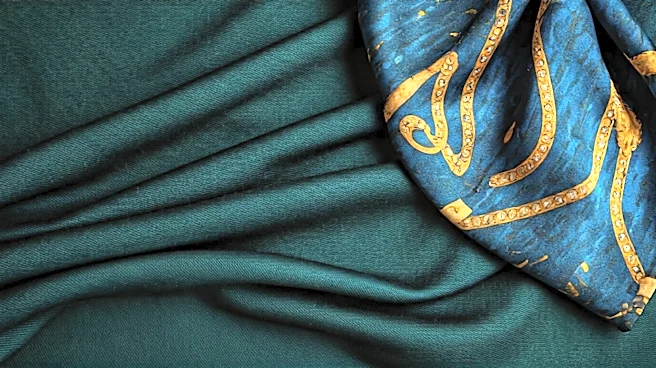
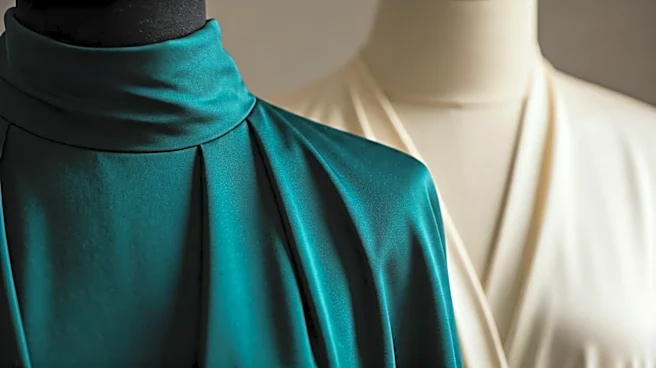
- **Color:** A classic ivory dress paired with a clutch in a rich emerald green or a pair of heels in a deep sapphire blue.
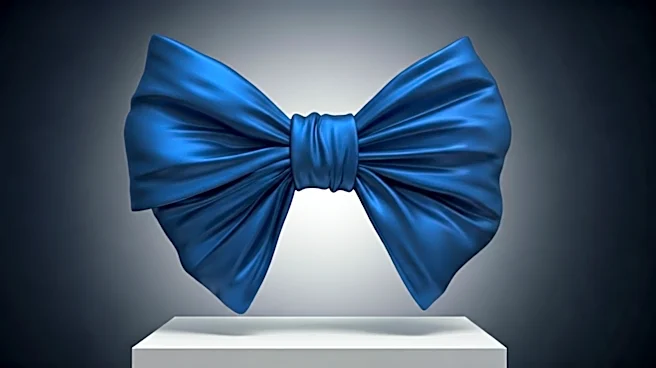
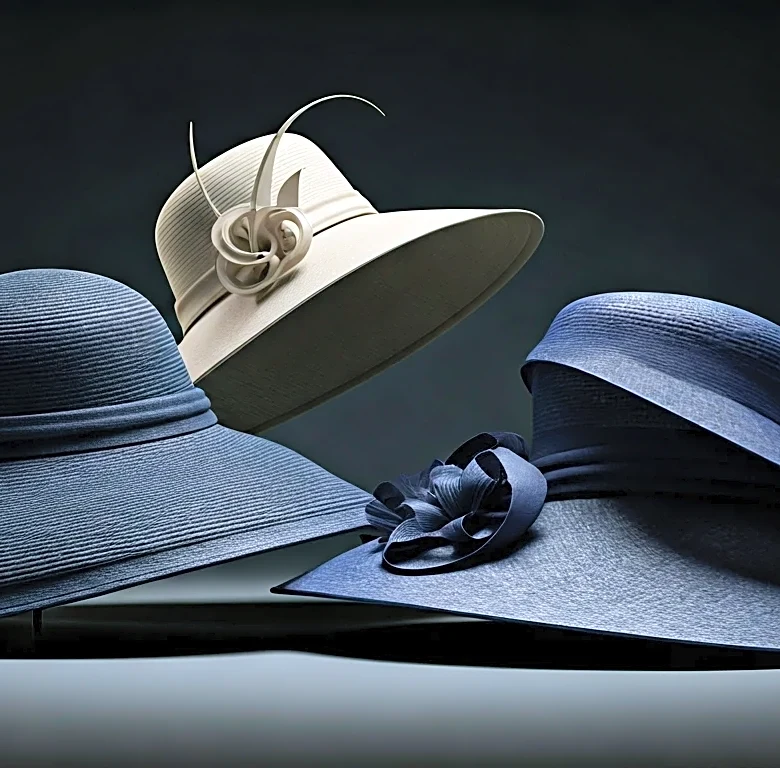
- **Structure:** A simple cream shift dress topped with a wide-brimmed hat featuring a sharp, sculptural twist or an architectural bow.
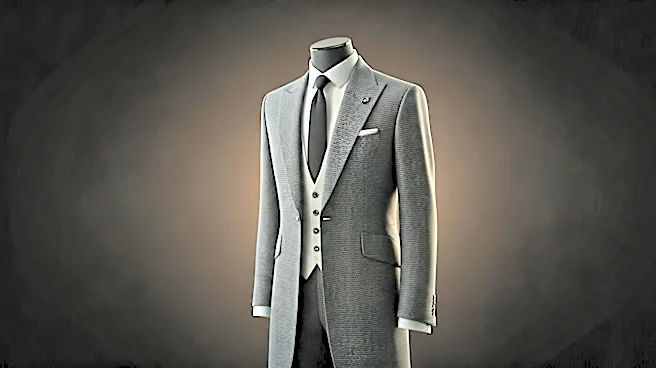
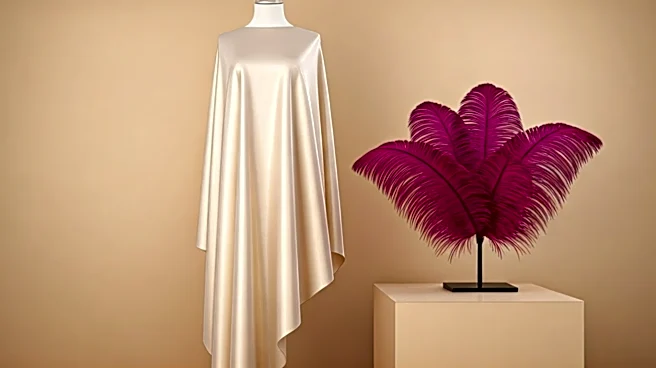
- **Texture:** A smooth, tailored beige suit accented with a feathered fascinator or a bag made from a heavily-beaded material.
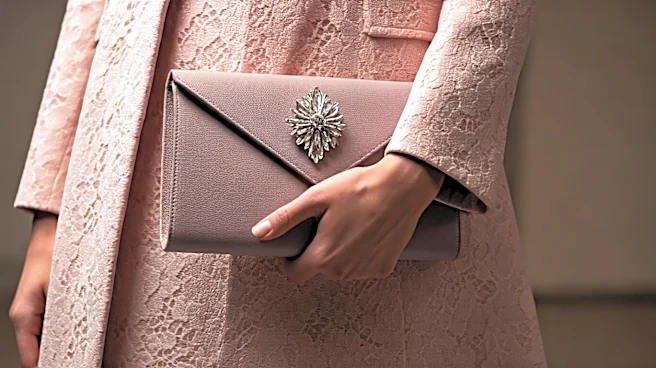
- **Accessory:** A single, magnificent piece of jewelry, like a bold, artistic brooch pinned to the lapel of a white blazer, can serve as the entire focal point. Even a bold, perfectly applied red lip can be the sole point of drama in an otherwise monochrome look.
The Art of the Intentional Edit
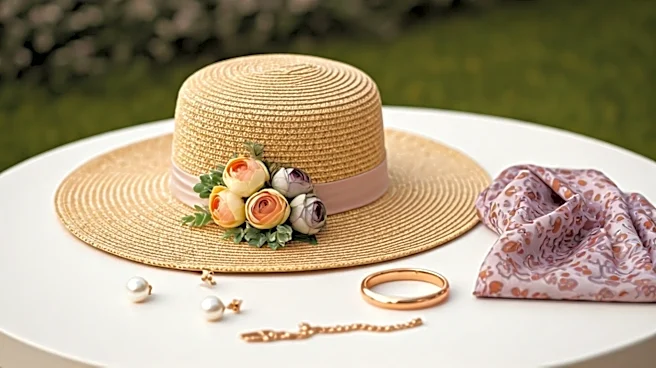
The key to this entire principle is discipline. The drama must be *precise* and *singular*. If your hat is the architectural masterpiece, your bag and shoes should be quiet and complementary. If you choose a vibrant shoe, your headwear and jewelry should recede. This is the art of the edit. The goal is to create a clear hierarchy within your outfit. By anointing one piece as the star, you allow every other element to play its supporting role effectively. Look at frequent best-dressed attendees like the Princess of Wales, Kate Middleton. She is a master of this concept, often wearing a simple, beautifully tailored dress in white or cream, allowing a uniquely shaped hat or a significant piece of jewelry to provide the visual interest. Her outfits feel complete and intentional precisely because they are not cluttered with competing details. They guide the viewer’s eye exactly where she wants it to go, proving that true style isn't about how much you can add, but how perfectly you can focus.