





The Allure of the French Routine
The core of the French beauty philosophy is simple: prioritize long-term skin health over short-term fixes. This translates to a routine centered on gentle, consistent care. Staples often include a gentle morning cleanse, sometimes just with micellar
water, followed by hydrating mists, a nourishing moisturizer, and always, sunscreen. The emphasis is on creating a healthy, radiant canvas that requires very little makeup. Many of the cult-favorite products come from French pharmacies, brands like La Roche-Posay, Avène, and Bioderma, which are developed with dermatologists and focus on skin tolerance and barrier health. The evening routine often involves a double cleanse to remove makeup and impurities, followed by targeted serums and a rich night cream to repair the skin overnight. It’s a philosophy of prevention and maintenance rather than aggressive treatment.
A Perfect Match for Dry and Normal Skin
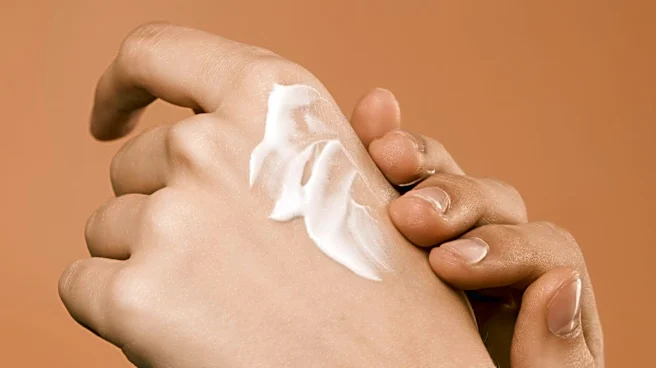
If you have normal, dry, or mature skin, the French approach can feel like a revelation. These skin types benefit immensely from the routine's primary focus on hydration and barrier support. Rich, emollient creams packed with ingredients like shea butter, glycerin, and ceramides help to lock in moisture and prevent water loss, keeping the skin plump and comfortable. Gentle cleansing methods, such as using cream cleansers or micellar water, avoid stripping the skin of its natural oils, which are already in short supply for drier types. Many French pharmacy products are also built around thermal spring water, which research suggests can have soothing and anti-inflammatory properties, further calming easily stressed dry or mature skin.
A Challenge for Oily and Acne-Prone Skin
Here's where the fantasy can meet a harsh reality. For those with oily or acne-prone skin, the classic French routine can sometimes do more harm than good. Many of the rich, occlusive moisturizers popular in these routines are simply too heavy and can clog pores, leading to congestion and breakouts. Furthermore, relying solely on a gentle swipe of micellar water for cleansing, especially in the evening, may not be enough to remove the day's buildup of excess sebum, sunscreen, and pollutants. While some dermatologists note micellar water can be a good first step in a double-cleanse, for oily types, it often can't do the job alone. Most experts also recommend rinsing it off to avoid leaving behind a residue of surfactants that could cause irritation or clog pores over time.
The Sensitive Skin Dilemma
Sensitive skin presents a more complicated picture. On one hand, many French pharmacy brands are specifically formulated to be gentle and are excellent for sensitive skin, focusing on minimal ingredients and barrier repair. Products like La Roche-Posay's Cicaplast Baume B5+ are widely recommended by dermatologists for irritated skin. However, the French love for a complete sensorial experience means that fragrance is a common ingredient, even in high-end pharmacy products. For truly reactive or allergy-prone skin, these added perfumes can be a significant source of irritation. The key is to look for products specifically labeled "fragrance-free" (sans parfum) and to focus on the simpler, more clinical-style formulations rather than the more luxurious ones.
Beyond the Routine: A Philosophy to Adapt
Ultimately, the "French Girl" routine is less a rigid set of rules and more a guiding philosophy. The principles of simplicity, consistency, and prioritizing skin health are valuable for everyone. The key is not to copy the exact product list of a Parisian influencer, but to adapt the philosophy to your own unique needs. This means choosing a cleanser that’s effective for your skin type, finding a moisturizer with the right texture and weight, and always protecting your skin from the sun. An oily skin type might take inspiration from the French routine by using a gentle foaming cleanser, a lightweight hyaluronic acid serum, and an oil-free moisturizer. A person with dry skin in a harsh climate might need an even richer cream than the French standard. The goal shouldn't be to achieve someone else's routine, but to build one that makes your own skin feel its best.