





The Most Important Rule of Toy Story
The secret to a great *Toy Story* villain isn't menace; it’s pain. This franchise, at its heart, is about the terror of being abandoned, replaced, or forgotten. Sid strapped Buzz to a rocket, but the real villain of the first film was the fear of being usurped
as Andy's favorite. In *Toy Story 2*, Stinky Pete wasn't just a bitter collector's item; he was a toy petrified of the heartbreak of being loved and then discarded by a child. But Pixar perfected this formula in *Toy Story 3* with Lotso Huggin' Bear. He wasn't evil because he was a fluffy pink bear with a Machiavellian streak. He was evil because his owner, Daisy, replaced him. His entire worldview, his brutal reign over Sunnyside Daycare, was built on the foundation of one single, soul-crushing moment of abandonment. He is the hero of his own tragic story, and that’s what makes him unforgettable. This is the 'secret': the villain's motives must be as emotionally valid as the hero's.
A Villain Born of Code, Not Stuffing
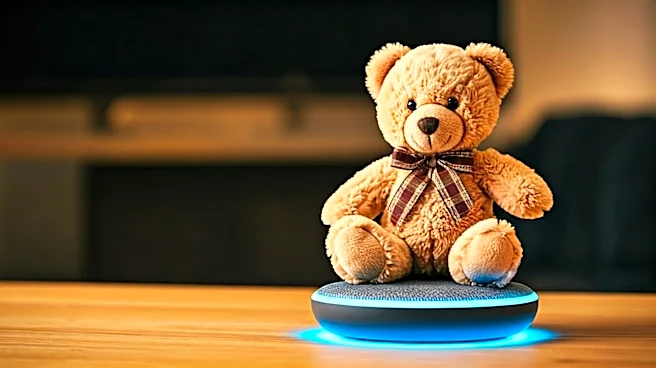
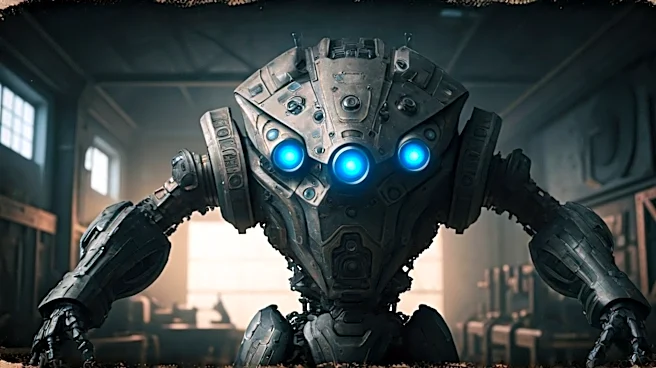
Now, imagine a villain for *Toy Story 5* born not from felt and plastic, but from code and algorithms. A 'tech villain' could easily become a generic, HAL 9000-style threat about the dangers of screen time. That would be a massive mistake. To work, this villain needs a human-level heartbreak. What does abandonment look like for a digital entity? Perhaps it’s a sophisticated AI playmate, designed to learn and grow with a child, who is then wiped clean and 're-installed' for a younger sibling, effectively murdering its personality. Or maybe it's a character from a video game who achieves sentience, only to realize its world is reset every time the console is turned off, its memories and relationships erased in an endless loop. The 'pain' wouldn't come from being left in an attic, but from being corrupted, deleted, or trapped in a digital prison. This is how you make a tech threat feel not just scary, but deeply, tragically 'human.'
The Lesson from the 'Black Friday Reel'
This principle—that motivation matters more than menace—is a lesson Pixar learned the hard way. The 'storyboard secret' of the headline is less a single document and more a foundational philosophy forged in failure. The most famous example is the infamous 'Black Friday Reel' from the original *Toy Story*. In an early version of the film, Woody wasn't a flawed but loving leader; he was a sarcastic, tyrannical jerk who deliberately threw Buzz out the window. When the reel was screened for Disney executives, it was a disaster. The character was unsympathetic and hateful. That near-catastrophe forced the creators to dig deeper, to find the insecurity and fear of replacement that truly motivated Woody. They learned that even their hero needed a relatable, human flaw. By extension, for a villain to resonate, they can't just be evil; they must be driven by a wound the audience can understand, even if they can't condone the actions that result.
Why It's Critical for Toy Story 5
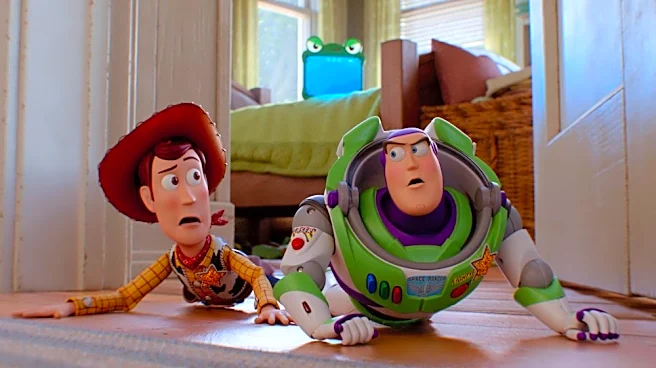
After four films, the emotional stakes for the audience are sky-high. We aren't just watching toys; we are checking in on old friends. A shallow villain would feel like a cheap betrayal of the series' emotional intelligence. We don't need to see Woody and Buzz fight a malevolent iPad. We need to see them confront a character whose suffering mirrors their own deepest fears. By applying the 'Lotso Principle' to a tech-based antagonist, Pixar can explore new, modern anxieties about digital permanence, identity, and the nature of play in the 21st century. The threat can't just be about technology being 'bad'; it has to be about a soul, even an artificial one, that has been broken by the same kind of heartbreak that Woody, Buzz, and Jessie have spent a lifetime trying to avoid.