



The Midday Meltdown Mystery
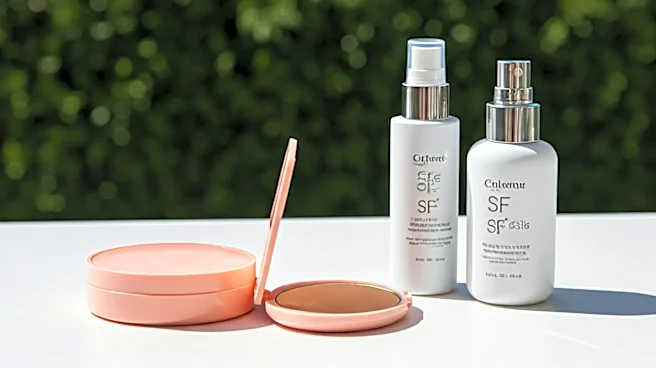
You chose a modern, elegant, lightweight body sunscreen. It feels like nothing, absorbs in seconds, and doesn't stain your clothes. Yet, despite its high SPF rating, its protection seems to vanish well before your lunch break. This frustrating phenomenon
isn't a flaw in the formula itself. Instead, it’s a combination of three factors: under-application, friction, and timing. Today’s sophisticated textures are so cosmetically pleasant that we often apply far less than needed. The American Academy of Dermatology states most people only apply 25% to 50% of the amount required to achieve the SPF on the label. Add in the friction from clothing and sweat from the summer heat, and that whisper-light layer doesn't stand a chance.
A Lesson From the 1960s Archive
Let's rewind to the 1960s. The idea of sun protection was taking hold, but the products were a world away from today's invisible serums. Sunscreens were often thick, oily, and low-SPF pastes. Think of the iconic Coppertone ads or the opaque zinc oxide lifeguards wore on their noses. Applying these formulas wasn't a casual spritz; it was a deliberate, mindful act. You had to work the product into the skin, and you could clearly see where you had applied it. While tanning was the goal for many, the very nature of these heavier products forced a more thorough application. This is the core principle modern users often miss: effective sun protection has always required a conscious and generous approach, a lesson that the effortless feel of today's products has made easy to forget.
The Critical Application Error
The single biggest error is under-application. Dermatologists and regulatory bodies test sunscreens at a density of 2 milligrams per square centimeter of skin. To translate that for real-world use, you need approximately one full ounce—or the amount it would take to fill a shot glass—to cover the exposed areas of your body. Because lightweight lotions and sprays spread so easily, most of us use a fraction of that amount, dramatically reducing the actual SPF value we receive. The second part of the error is timing. Chemical sunscreens need about 15 to 30 minutes to absorb and form a protective filter on the skin. If you apply it right before you walk out the door or after you’ve already arrived at the beach, you’re leaving your skin unprotected for that crucial initial period of sun exposure.
A Modern Ritual With Timeless Rules
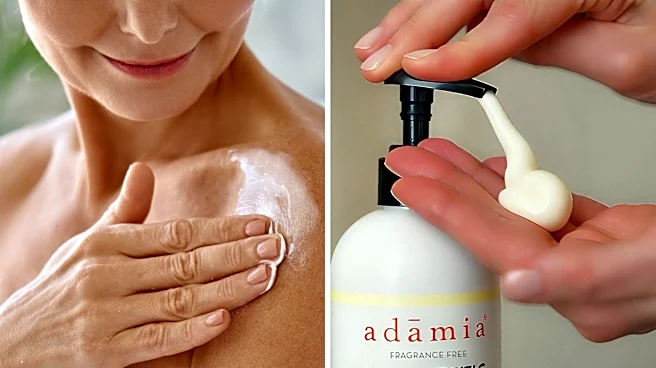
To make your sunscreen work as intended, adopt a more methodical ritual. First, apply your sunscreen 15 to 30 minutes before you get dressed and go outside. Applying to dry skin before you put on clothes ensures you don't miss spots along the edges of your neckline or sleeves. Second, use the right amount. Measure out that shot glass worth of lotion. For a simpler guide, you can use the teaspoon rule: one teaspoon for each arm, two for each leg, one for your front torso, and one for your back. Apply it generously and rub it in evenly. For sprays, apply until an even sheen is visible on the skin, and then rub it in to ensure uniform coverage.
The Unskippable Step: Reapplication
Even a perfect initial application has a time limit. Sunscreen's active ingredients break down with exposure to UV light, and the protective film is worn away by sweat and friction. No sunscreen is truly all-day protection from a single application. The two-hour rule is non-negotiable for prolonged outdoor time: you must reapply at least every two hours. If you are swimming or sweating heavily, you need to reapply even sooner, as soon as you towel off. Think of sunscreen not as a suit of armor you put on once, but as a crucial part of an ongoing strategy that includes seeking shade and wearing protective clothing. It's a commitment that pays off with healthier skin all summer long.