






It’s that time of year again. Social media is a blizzard of colorful cards as millions share their Spotify Wrapped results. For artists, it begs a crucial question: What’s the real prize? A top spot on a fan’s Wrapped, or a sold-out club?
The Global Megaphone of Wrapped
Landing on thousands
of personal 'Top Artist' lists via Spotify Wrapped is, without a doubt, a massive promotional victory. It’s a viral marketing event that money can’t quite buy, placing an artist directly at the center of a fan's musical identity for the year. For a few days, artists featured heavily in Wrapped dominate online conversation, gaining organic visibility as fans share their results. The platform even provides artists with their own shareable graphics detailing their global reach, stream counts, and listener growth. This data is more than just a vanity metric; it’s a powerful tool that can inform marketing strategies, tour planning, and even future creative directions by revealing where an artist's most dedicated listeners are located. In a music landscape where discovery is often driven by algorithms and short-form video clips, Wrapped offers a unique, personalized endorsement that can attract new followers and deepen the connection with existing ones.
But Does It Pay the Bills?
For all its promotional power, the direct financial return from streaming remains a sore spot for many musicians. In 2026, the approximate payout per stream on Spotify still hovers between $0.003 and $0.005. This means an artist needs hundreds of thousands of plays just to earn around a thousand dollars, and that's before distributors, labels, and managers take their cut. Fewer than 1% of artists on the platform earn more than $10,000 a year from streaming royalties alone. While streaming accounts for the majority of recorded music revenue globally, it's a model that heavily favors artists with massive, international scale. For emerging and mid-tier acts—those with maybe 100,000 to 500,000 monthly listeners—the income is often just enough to reinvest in their careers, but rarely enough to make a living. This makes streaming primarily a discovery and visibility tool, not a standalone source of sustainable income for most working artists.
The True Value of a Sold-Out Show
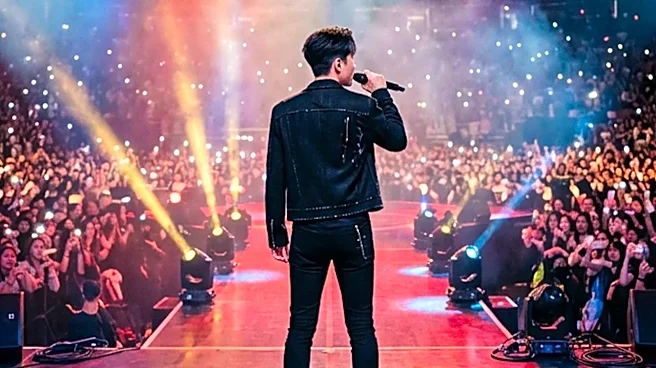
A sold-out club show represents a different, more tangible kind of success. It’s proof of a dedicated, active fanbase willing to spend money and time to be in the room with an artist. While streaming is passive, buying a ticket is an active commitment. For most working musicians, live performance remains the largest single source of revenue. Even on a small club tour, the artist typically takes home 70-80% of the ticket revenue, although this is after venue expenses like production and staffing are deducted. However, the real profit is often made at the merchandise table. Selling t-shirts, vinyl, and other items to an engaged crowd can turn a break-even tour into a profitable one. A sold-out show isn't just a financial win; it’s a community-building event. The energy of a packed room creates lifelong fans—the kind of 'true believers' who will not only stream the music but also buy the deluxe edition album and the next tour's tickets the day they go on sale.
The Flywheel Effect: Why It’s Not a Competition
Ultimately, comparing Spotify Wrapped to a sold-out show is like asking if a car needs an engine or wheels. The smartest artists in 2026 know that one feeds the other in a virtuous cycle. A high placement on Spotify Wrapped, fueled by millions of passive streams, is the top of the funnel. It builds broad awareness and introduces an artist to casual listeners. Some of those listeners will dig deeper, exploring an artist's catalog and, crucially, looking up tour dates. Spotify itself encourages this by allowing artists to list upcoming shows directly on their profiles. A fantastic live show converts those casual listeners into dedicated fans. These fans then return to streaming platforms, listening more intentionally, creating their own playlists, and driving up the stream counts that will fuel the next Spotify Wrapped. In this model, streaming is the advertisement, and the live show is the product. Neither can fully replace the other for building a long-term, resilient career.